
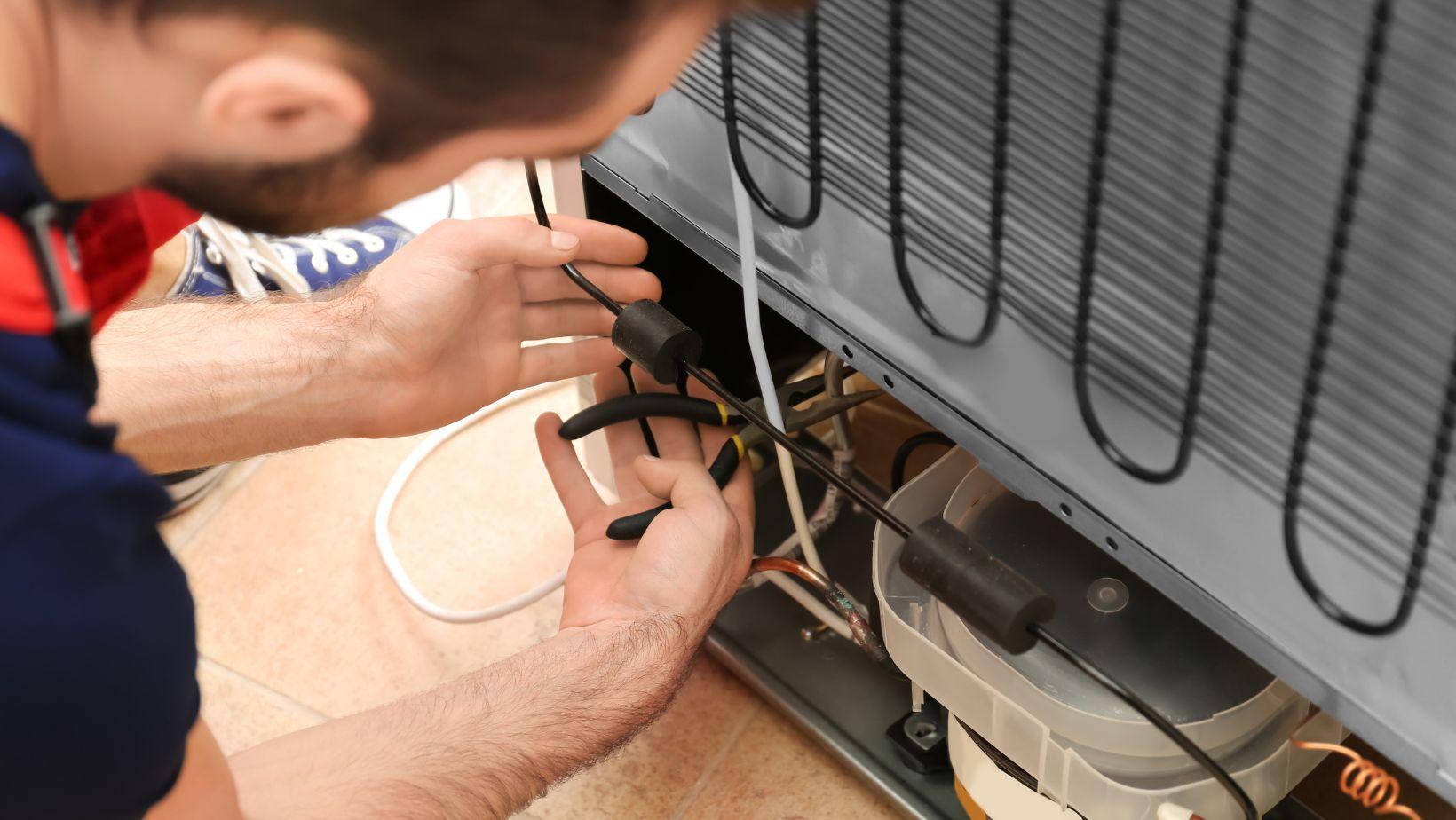

Household appliances are built to handle years of daily use, but they rarely wear out overnight. More often, they gradually lose efficiency because of everyday habits that seem harmless at the time. A refrigerator may work a little harder to stay cold, a dryer may take longer to dry clothes, or a dishwasher may need extra time to finish a cycle. Since these changes happen slowly, they’re easy to dismiss as normal aging.
In reality, many appliance problems begin long before a complete breakdown occurs. Paying attention to small changes in performance, and avoiding a few common maintenance mistakes, can help extend the lifespan of household appliances while reducing unnecessary strain on their internal components.
Key Takeaways
- Many appliance failures develop gradually rather than suddenly.
- Everyday maintenance mistakes can significantly shorten appliance lifespan.
- Longer cycles, unusual sounds, and declining performance shouldn’t be ignored.
- Regular inspections help identify small issues before they affect other components.
- Some problems require professional diagnosis rather than repeated DIY fixes.
Why Appliance Maintenance Is Easy to Overlook
Household appliances are designed to work quietly in the background, making them easy to forget until something goes wrong. Unlike a leaking faucet or a broken light fixture, appliances often continue operating even when parts begin wearing out.
Appliances Hide Gradual Wear Well
Motors, bearings, seals, heating elements, and electronic controls naturally experience wear over time. Because these components usually deteriorate gradually, appliances often continue functioning while efficiency slowly declines.
For example, a refrigerator may take longer to cool after the door is opened, or a dryer may require an additional drying cycle. These changes rarely happen overnight, making them easy to overlook.
“Still Working” Doesn’t Always Mean “Working Normally”
One of the biggest misconceptions homeowners have is assuming that an appliance is healthy simply because it still turns on.
An appliance that runs longer, consumes more energy, produces unfamiliar sounds, or performs inconsistently may already be showing early symptoms of a developing problem. Identifying those changes early often helps prevent additional strain on other components.
7 Appliance Maintenance Mistakes That Can Shorten Appliance Life
Many common appliance problems can be traced back to simple habits that gradually increase wear over time. Avoiding these mistakes helps appliances operate more efficiently and often extends their usable lifespan.
1. Waiting Until an Appliance Completely Stops Working
- The mistake: Assuming that if an appliance still turns on, nothing needs attention.
- Why it matters: A persistent change in performance can indicate a developing issue even while the appliance remains usable. Waiting until complete failure often allows a small problem to affect additional components, making the issue more difficult to diagnose.
- Do this instead: Pay attention to changes from the appliance’s normal operation and record recurring error codes, leaks, unusual sounds, or performance changes. Addressing these warning signs early often prevents more extensive damage.
2. Forgetting Filters and Vents
- The mistake: Overlooking filters, vents, and airflow paths because they aren’t immediately visible.
- Why it matters: Dryers rely on unrestricted airflow to dry clothes efficiently, while refrigerators need proper ventilation around condenser components. Blocked filters or vents force appliances to work harder, increasing wear and reducing efficiency.
- Do this instead: Clean or replace filters according to the manufacturer’s recommendations and regularly inspect vents to ensure airflow remains unobstructed.
3. Overloading Washers and Dryers
- The mistake: Filling washers or dryers beyond their recommended capacity to complete fewer loads.
- Why it matters: Excessive weight places additional strain on motors, belts, bearings, suspension systems, and other moving parts. Repeated overloading accelerates wear and may shorten the appliance’s lifespan.
- Do this instead: Follow the manufacturer’s loading guidelines and allow enough space for clothing to move freely during wash and dry cycles.
4. Ignoring Hoses and Door Seals
- The mistake: Assuming that hoses and seals don’t need attention unless a major leak develops.
- Why it matters: Small leaks and worn door gaskets often develop gradually. Damaged water lines can eventually leak, while worn refrigerator door seals allow cold air to escape, forcing the cooling system to run longer.
- Do this instead: Periodically inspect hoses, water connections, and door seals for cracks, moisture, or visible wear, and replace damaged parts before they create larger problems.
5. Blocking Necessary Airflow
- The mistake: Restricting airflow around or inside appliances without realizing its impact.
- Why it matters: Refrigerators, dryers, and many other appliances rely on adequate airflow for efficient operation. Blocked refrigerator vents, crowded installations, or lint buildup around dryer ventilation increase operating temperatures and mechanical strain.
- Do this instead: Keep appliance vents clear, maintain the recommended clearance around appliances, and avoid blocking interior refrigerator air vents with food or containers.
6. Dismissing New Sounds or Longer Cycles
- The mistake: Assuming that new noises or longer operating cycles are simply part of an appliance getting older.
- Why it matters: Changes in normal operation are often among the earliest signs of developing mechanical or electrical issues. Ignoring them can allow performance to deteriorate further and place additional strain on other components.
- Do this instead: Compare the appliance’s current performance with how it normally operates. If new sounds, vibrations, or longer cycles continue, investigate the cause instead of assuming they’re harmless.
7. Using Resets as a Recurring Fix
- The mistake: Repeatedly unplugging, resetting, or restarting an appliance whenever the same problem returns.
- Why it matters: A reset may temporarily restore normal operation, but it rarely resolves the underlying cause. Depending on repeated resets can delay proper diagnosis while the actual problem continues to develop.
- Do this instead: If the same error, shutdown, or performance issue keeps returning after a reset, stop treating the reset as a solution and investigate the underlying fault before additional problems develop.
What an Appliance Technician Says Can Make Maintenance Less Effective
While researching this article, I spoke with James from Appliance EMT about maintenance mistakes that often make appliance problems harder to evaluate. One issue he sees is homeowners changing several things at once after performance begins to decline.
For example, someone may change a refrigerator temperature setting, reset the controls, move food around, and unplug the unit within a short period. With a dryer, they may change the cycle, reduce the load, and repeatedly restart the machine. By the time service is scheduled, it can be difficult to tell which symptom appeared first.
James recommends recording what changed before experimenting with multiple adjustments. Error codes, unusual sounds, leak locations, cycle settings, and the circumstances that trigger a problem can provide useful diagnostic clues.
Want a More Complete Appliance Maintenance Routine?
Homeowners who want to go beyond avoiding these common mistakes can follow a more structured maintenance routine for individual appliances. This guide on how to maintain your home appliance covers practical cleaning, inspection, and maintenance steps for refrigerators, washers, dryers, dishwashers, ovens, and other frequently used household appliances.
Warning Signs Maintenance May No Longer Be Enough
Routine maintenance can resolve many minor issues, but certain warning signs indicate that a developing problem may require professional diagnosis.
- Water leaks or unexplained moisture around the appliance.
- Burning odors during operation.
- New grinding, buzzing, rattling, or clicking sounds.
- Appliances taking significantly longer to complete normal cycles.
- Inconsistent cooling, heating, washing, or drying performance.
When several of these symptoms appear together, continuing to rely solely on routine maintenance may allow the problem to worsen.
What to Leave to a Professional
Routine maintenance is valuable, but not every repair should become a DIY project.
Electrical Issues
Appliances that repeatedly trip breakers, lose power unexpectedly, or display electrical faults should be professionally inspected.
Gas Appliances
Gas-powered appliances require proper diagnosis whenever ignition, burner, or gas-supply problems develop.
Internal Mechanical Problems
Replacing compressors, motors, electronic control boards, bearings, or other internal mechanical components usually requires specialized tools and technical knowledge.
Recurring Failures
If the same malfunction repeatedly returns after maintenance or resetting the appliance, professional diagnosis is generally the safest and most effective solution.
A Simple Seasonal Appliance Routine
Building maintenance into a regular schedule helps homeowners stay ahead of developing problems.
Monthly
Perform a visual inspection of frequently used appliances, monitor performance, and look for leaks, unusual sounds, or longer operating cycles.
Every Few Months
Clean filters, inspect door seals, clear accessible vents, and remove dust from recommended maintenance areas.
At Manufacturer-Recommended Intervals
Follow appliance-specific maintenance schedules described in the owner’s manual for cleaning, inspection, and servicing.
Anytime Operation Changes
Investigate unusual performance promptly rather than assuming the appliance will correct itself over time.
Final Thoughts
Household appliances rarely fail because of one dramatic event. More often, gradual wear combined with overlooked maintenance slowly reduces efficiency until performance begins to suffer.
Avoiding common maintenance mistakes, inspecting appliances regularly, and paying attention to changing performance can help homeowners improve reliability while extending the lifespan of many everyday appliances. Small maintenance habits performed consistently often provide the greatest long-term benefits.
FAQs
Which appliance maintenance tasks are most often forgotten?
Cleaning filters, inspecting door seals, checking water hoses, and monitoring airflow are among the maintenance tasks homeowners most frequently overlook.
How often should household appliances be checked?
A brief inspection once each month is usually sufficient to notice developing problems before they become more serious.
Can overloading shorten an appliance’s lifespan?
Yes. Consistently overloading appliances increases mechanical strain on motors, bearings, suspension systems, and other internal components.
What appliance warning signs shouldn’t be ignored?
Longer operating cycles, new noises, water leaks, burning odors, repeated resets, & inconsistent performance should all be investigated promptly.
When should maintenance become professional repair?
Professional diagnosis is recommended whenever problems continue returning after routine maintenance or when electrical, gas, or complex mechanical issues are suspected.