
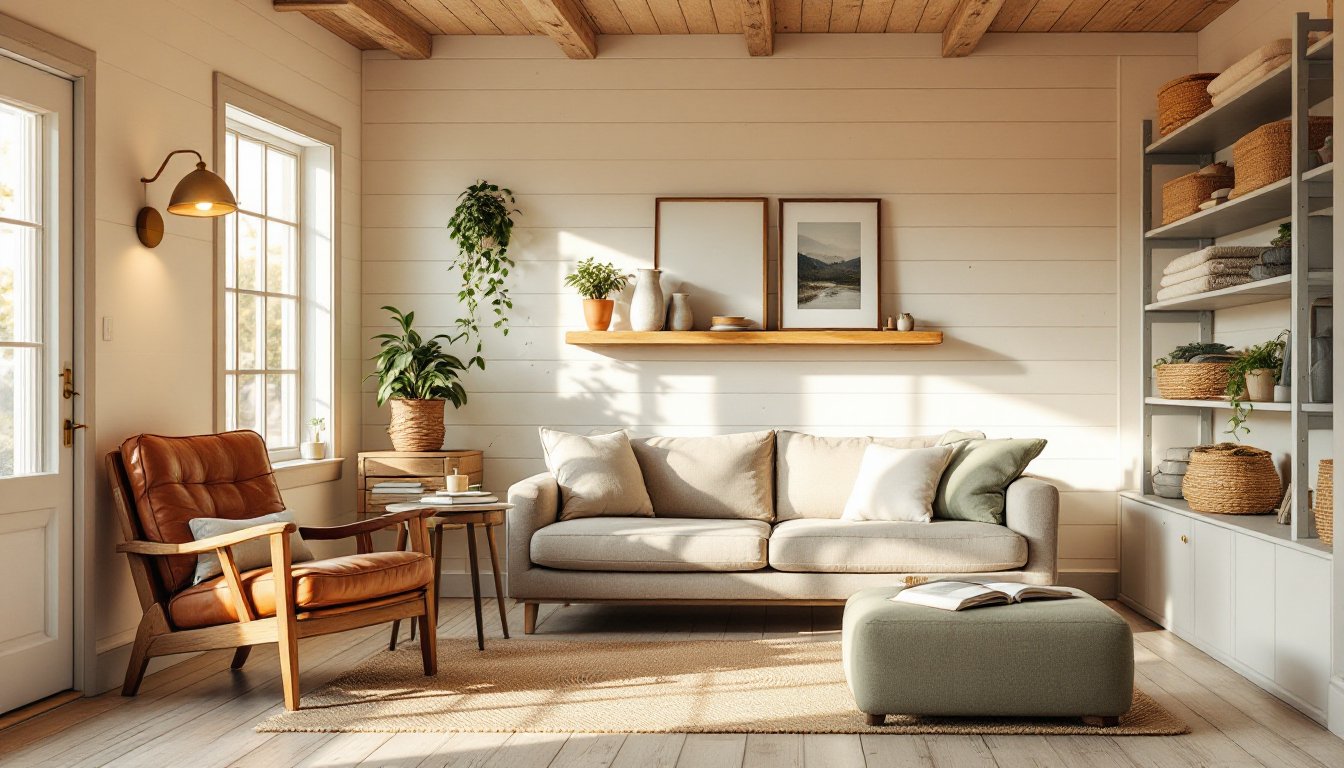

Small cottages pack outsized charm into compact footprints, but poor design choices can make them feel cramped instead of cozy. The key is balancing rustic character with smart spatial planning, no Pinterest mood boards required. Whether working with a 400-square-foot getaway or a modest year-round home, homeowners can transform tight quarters into functional, inviting spaces through deliberate material selection, furniture placement, and storage strategies. This guide covers 15 practical ideas that respect a cottage’s architectural personality while addressing real-world livability challenges, from moisture-prone bathrooms to underutilized vertical space.
Key Takeaways
- Light colors, natural materials, and pale paint finishes (LRV above 85) expand small cottage interior design spaces visually by reflecting ambient light and reducing shadows.
- Multi-functional furniture like storage ottomans, Murphy beds (saving 25–30 sq ft), and expandable dining tables maximize limited square footage without sacrificing functionality.
- Vertical storage solutions including floor-to-ceiling shelving, floating shelves, and loft platforms transform underutilized wall space into practical storage.
- Cozy reading nooks and window seats require only 4–5 feet of space and create intimate retreats that enhance a cottage’s inherent charm and livability.
- Reclaimed wood accents, vintage hardware, and exposed natural materials add authentic character while maintaining a balanced design that combines rustic appeal with modern practicality.
Embrace Light Colors and Natural Materials
Light-colored walls create visual expansion in small rooms through simple physics: pale surfaces reflect more ambient light, reducing shadows that make spaces feel enclosed. A soft white or cream ceiling paint with an LRV (Light Reflectance Value) above 85 bounces natural light effectively without the sterile feel of pure white.
For walls, consider matte finishes in warm whites, pale grays, or muted sage tones. These hide minor surface imperfections better than high-gloss paints while maintaining brightness. Coverage typically runs 350–400 square feet per gallon for quality interior latex, though rough plaster or wood paneling may require additional coats.
Natural wood elements, exposed ceiling beams, shiplap walls, or reclaimed floor planks, add warmth without visual weight when left unstained or finished with clear sealers. Pine, cedar, and hemlock are common choices in cottage construction: their lighter grain patterns contrast well with painted trim. If the existing wood is darker oak or walnut, a diluted whitewash (1 part paint to 3 parts water) preserves grain visibility while lifting the overall tone.
Avoid heavy drapes in favor of linen or cotton curtains in natural tones. These fabrics filter light softly and complement wood textures without competing for attention. In moisture-prone areas like kitchens, sealed stone countertops or butcher block offer organic character with practical durability, just maintain proper ventilation to prevent warping.
Choose Multi-Functional Furniture for Every Room
Every piece of furniture in a small cottage should earn its floor space. Storage ottomans serve as seating, footrests, and concealed storage for blankets or board games. Look for units with removable lids rather than hinged tops, they’re easier to access when placed against walls.
Murphy beds or wall beds reclaim 25–30 square feet of floor space when raised, converting bedrooms into daytime sitting areas or home offices. Modern mechanisms use piston lifts that require minimal effort: expect to pay $1,200–$3,000 installed depending on built-in shelving options. Verify wall stud locations and use appropriate fasteners, these units create significant lateral load when opening.
Expandable dining tables with drop leaves or pull-out extensions accommodate guests without permanently occupying circulation space. A 36-inch round table expands to seat six for gatherings, then contracts for daily use. Pair with stackable chairs or a slim bench that slides beneath the table when not needed.
In bathrooms, vanities with built-in hampers or pull-out shelves maximize the cabinet footprint. A 24-inch vanity can include two functional drawers if designed with interior organizers instead of a single open cavity. Wall-mounted faucets free up rear counter space for toiletries.
Avoid bulky recliners or oversized sectionals. A sleeper sofa with a quality innerspring mattress (not a thin futon pad) provides guest sleeping without dedicating a room to occasional use. Test the mechanism in-store, cheaper models require furniture rearrangement every time they’re deployed.
Create Cozy Nooks and Reading Corners
Small cottages excel at intimacy when designers embrace snug spaces rather than fight them. A window seat built over a radiator or along a gable wall transforms dead space into a destination. Frame it with 2×4 or 2×6 lumber (actual dimensions 1.5″×3.5″ or 1.5″×5.5″), then top with a hinged plywood lid for hidden storage. Add a 3–4 inch foam cushion wrapped in durable fabric, outdoor canvas holds up well to sun exposure and pet claws.
Corner reading nooks require only 4–5 feet of floor space. A comfortable armchair, small side table, and adjustable task lighting (swing-arm wall sconces work well) create a functional retreat. Position the chair to capture natural light during the day, supplemented by a 60–75 watt equivalent LED bulb for evening reading. Avoid relying solely on overhead fixtures, which cast shadows on reading material.
Built-in breakfast nooks maximize awkward kitchen corners. An L-shaped bench with lift-up seats provides storage for serving pieces or small appliances. The table can be a simple wall-mounted drop-leaf secured to studs with heavy-duty brackets rated for the anticipated load, figure 50 pounds minimum capacity for a usable dining surface.
In bedrooms, a narrow built-in desk along one wall (18–24 inches deep) creates workspace without requiring a separate office. Mount it at standard desk height (29–30 inches) with knee clearance beneath. Add a strip of LED under-cabinet lighting to reduce eye strain and preserve the room’s ambient character.
Maximize Vertical Space with Smart Storage Solutions
Most cottage storage failures happen because homeowners ignore the space between eye level and the ceiling. Floor-to-ceiling shelving uses the full wall height, critical in rooms with 7- or 8-foot ceilings where horizontal space is limited. Secure shelving to wall studs with appropriate fasteners: drywall anchors alone won’t support loaded shelves safely.
Floating shelves above doorways, windows, or along narrow hallways store books, baskets, or decorative items without floor intrusion. Use solid wood or plywood at least ¾-inch thick, supported by hidden brackets rated for the shelf span. A 36-inch shelf needs support every 16 inches to prevent sagging under moderate loads.
In kitchens, install open shelving instead of upper cabinets to maintain sightlines while displaying dishware. This works especially well in galley layouts where closed cabinets create tunnel-like confinement. Pot racks suspended from ceiling joists (locate them with a stud finder) free up cabinet space and add professional kitchen character.
Pegboard walls in mudrooms or workshops provide adjustable storage that adapts to changing needs. Mount them on 1×2 furring strips to create the necessary clearance for hooks. Paint pegboard to match wall colors so it recedes visually when not in use.
Bedroom closets benefit from double-hang rods, one at 80 inches for full-length items, another at 40 inches for shirts and folded pants. This approach doubles hanging capacity in the same footprint. Add shelf dividers to prevent stacked sweaters from toppling.
Consider a loft storage platform in rooms with vaulted ceilings or cathedral peaks. This requires proper structural assessment, never attach loads to collar ties or rafters without verifying they’re engineered for storage loads. Consult a structural engineer if load-bearing capacity is uncertain.
Add Character with Vintage and Rustic Accents
Reclaimed wood brings instant history to cottages without the preciousness of formal antiques. Salvaged barn siding works well as accent walls, just inspect for insect damage, remove old nails, and seal both sides to prevent moisture absorption. Expect to pay $3–$8 per square foot depending on species and condition, though prices fluctuate with market trends.
Vintage hardware, door knobs, cabinet pulls, or coat hooks, adds tactile interest and functions as subtle jewelry for plain surfaces. Cast iron, oil-rubbed bronze, and aged brass suit cottage aesthetics better than polished chrome. Check that vintage hinges match modern door bores (typically 2⅛ inches for residential passage sets): adapters exist but add complication.
Open shelving displays heirloom dishware or ironstone pitchers more effectively than glass-front cabinets, which can look fussy in rustic settings. Mix functional pieces with decorative items, a vintage scale or wooden bread box earns its place by being both useful and interesting.
Exposed brick or stone, if present in the structure, should remain visible rather than covered with drywall. Wire-brush loose mortar and apply a breathable masonry sealer to control dust while preserving texture. In cottages without original masonry, thin brick veneer (real brick sliced to ½-inch thickness) offers authentic appearance without structural loads, though it’s labor-intensive to install.
Avoid theme-park rusticity: a single barn door as a room divider makes a statement, but barn doors on every closet becomes cosplay. Balance vintage elements with modern function, for example, an antique pine table updated with food-safe hardwax oil instead of leaving it unfinished and prone to staining.
Bring the Outdoors In with Plants and Natural Textures
Indoor plants improve air quality and soften hard architectural edges, but they require appropriate light conditions to survive. South-facing windows suit succulents and herbs: north-facing windows work for pothos, ferns, and snake plants. Don’t force sun-loving plants into dim corners with the expectation that they’ll adapt, they won’t.
Hanging planters suspended from ceiling hooks save counter and floor space while adding vertical interest. Verify that ceiling joists can support the weight of saturated soil and ceramic pots, typically 10–20 pounds depending on size. Use swivel hooks to allow rotation for even light exposure.
Natural fiber rugs, jute, seagrass, or sisal, define spaces and absorb sound in open floor plans. These materials resist crushing better than synthetic options but show moisture stains, so avoid them in entryways or bathrooms. A 5×7-foot rug grounds a seating area: 8×10 works under dining tables with chairs that remain on the rug when pulled out.
Woven baskets provide concealed storage with organic texture. Use them for throws, magazines, or firewood. Avoid overly decorative versions with handles that snag or dyed materials that fade in sunlight.
Stone or slate accents, a fireplace surround, bathroom vanity top, or windowsill, introduce cool-toned contrast to warm wood interiors. These materials require periodic sealing (annually for high-use surfaces) to prevent staining from water or oils.
Large windows blur the boundary between interior and exterior. If privacy allows, skip window treatments entirely to maximize views and natural light. Where curtains are necessary, mount rods at ceiling height and choose floor-length panels to elongate walls visually.
Conclusion
Small cottage design succeeds when every decision serves both function and character. Light palettes and natural materials expand perceived space without sacrificing warmth. Multi-functional furniture and vertical storage reclaim square footage, while cozy nooks and vintage details preserve the intimacy that makes cottages appealing. These strategies work together, not in isolation, pair wall-mounted shelving with live plants, or combine a Murphy bed with reading nooks to maximize limited rooms. The result is a home that feels intentional, not compromised by its size.