
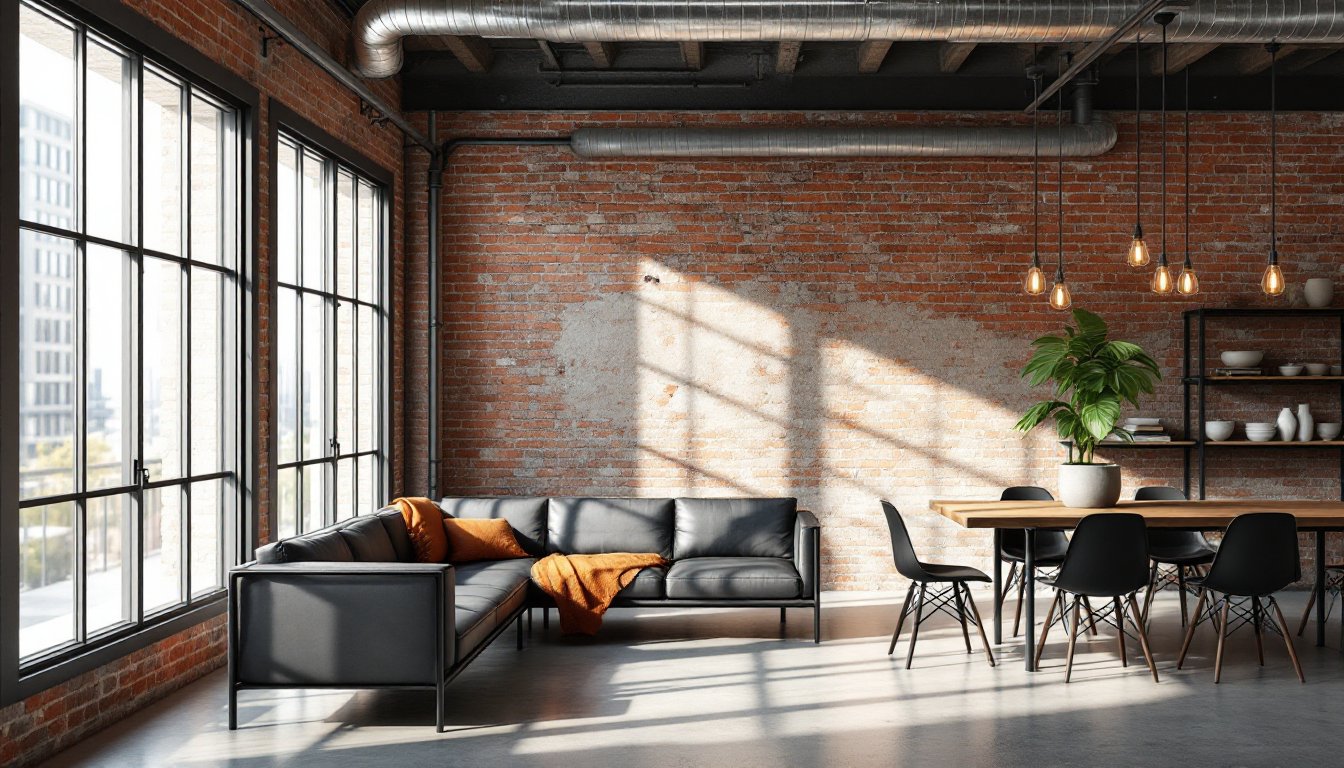

Urban modern interior design strips away the unnecessary and celebrates what’s left: exposed structure, clean lines, and materials that show their age honestly. It’s the look of converted lofts and downtown apartments, where brick, steel, and concrete become features instead of flaws. This style works particularly well in open-floor plans and smaller spaces, where every design choice earns its keep. Homeowners drawn to urban modern appreciate functional beauty, furniture that works hard, surfaces that improve with wear, and a palette that lets architecture speak. Whether renovating a city condo or bringing industrial edge to a suburban home, the principles remain the same: honor the bones, edit ruthlessly, and let raw materials tell the story.
Key Takeaways
- Urban modern interior design celebrates exposed structural elements like brick, steel, and concrete as design features while balancing raw textures with clean-lined furniture and intentional negative space for livability.
- Essential materials in urban modern style include exposed brick, polished concrete, black iron pipe, and reclaimed wood—all chosen for authenticity and honest wear rather than artificial distressing.
- Color schemes rely on neutral bases (grays, whites, blacks) with strategic bold accents following the 60-30-10 rule, creating visual interest without overwhelming the space.
- Effective urban modern implementation starts by assessing existing architecture and thoughtfully exposing original elements like beams and brick rather than attempting to fake the aesthetic with distressed finishes.
- Furniture and decor should emphasize substantial pieces with metal frames, leather upholstery, and minimal ornamentation, paired with large-scale art, greenery, and textiles that develop character over time.
What Is Urban Modern Interior Design?
Urban modern interior design blends industrial elements with contemporary minimalism, drawing inspiration from converted warehouses and city lofts. The style emerged as adaptive reuse projects transformed manufacturing spaces into living areas, preserving structural elements like exposed brick, steel beams, and concrete floors as design features rather than covering them up.
This aesthetic emphasizes honesty in materials and function. Where traditional design conceals utilities and framing, urban modern celebrates them, conduit runs become sculptural, ductwork stays visible, and structural columns anchor the space. It’s not about distressing new materials to look old: it’s about respecting what’s already there.
The “modern” component keeps the look from feeling too raw or unfinished. Clean-lined furniture, strategic lighting, and intentional negative space balance the rough textures. Think mid-century modern chairs paired with a reclaimed wood table, or a platform bed with powder-coated steel frame against exposed masonry.
Urban modern differs from pure industrial style by incorporating warmth and livability. While industrial design can feel austere or commercial, urban modern layers in textiles, greenery, and residential-scale lighting to create spaces people actually want to live in, not just photograph.
Key Elements of Urban Modern Style
Industrial Materials and Raw Textures
The material palette defines urban modern more than any other element. Exposed brick, whether original masonry or thin brick veneer applied over drywall, provides texture and historical weight. When working with existing brick, resist the urge to paint it. If mortar joints need repair, use Type N mortar for interior non-load-bearing walls, color-matched to existing joints.
Concrete appears in floors, countertops, and accent walls. Polished concrete floors require a vapor barrier and proper substrate prep, minimum 3,500 PSI mix for residential applications. Concrete countertops can be poured in place or precast: either way, they need proper sealing with a food-safe penetrating sealer, reapplied annually.
Metal accents include steel, iron, and brushed brass. Exposed steel beams may already exist (verify if they’re load-bearing before any modifications, structural work requires an engineer’s approval). Black iron pipe makes affordable curtain rods, shelving brackets, and light fixtures. When cutting iron pipe, a reciprocating saw with a metal blade works, but a chop saw with abrasive wheel gives cleaner cuts. Always wear safety glasses and hearing protection when cutting metal.
Reclaimed wood adds warmth without softening the aesthetic. Barn wood, pallet wood, and salvaged flooring bring character, but verify the source, some reclaimed lumber contains lead paint or structural damage. Check moisture content with a pin-type meter: anything above 12% needs more acclimation time before installation.
Neutral Color Palettes With Bold Accents
Urban modern color schemes start with a neutral base: grays, whites, blacks, and earth tones that let materials and textures create visual interest. Charcoal gray (#36454F) and warm gray (#8D8D8D) work well on walls, especially when contrasting with white trim or black window frames.
When painting over new drywall in these deeper tones, use a PVA primer first, standard primer won’t seal properly, leading to uneven sheen and color. Coverage typically runs 350–400 square feet per gallon for quality paint: budget two coats minimum for darker colors.
Bold accent colors appear strategically: a burnt orange leather sofa, deep teal cabinetry, or mustard yellow throw pillows. The 60-30-10 rule applies, 60% dominant neutral, 30% secondary neutral, 10% accent color. This prevents the space from feeling either sterile or chaotic.
Black window frames and doors have become signature elements of urban modern design. When retrofitting windows, verify the frame can support the additional weight of black-painted or anodized aluminum, some vinyl frames can’t. For interior doors, solid core doors (1⅜” thick) accept paint better than hollow core and provide better sound dampening, important in open-plan layouts.
How to Incorporate Urban Modern Design in Your Home
Start by assessing existing architecture. Homes with open floor plans, high ceilings, or original hardwood benefit most from urban modern treatment. If the space has drop ceilings hiding ductwork or beams, consider whether removing them is feasible, this often requires rerouting HVAC or electrical, which means permits and potentially a licensed contractor.
Expose existing elements thoughtfully. Removing drywall to reveal brick requires care, use a utility knife to score seams, then pry carefully with a flat bar to avoid damaging masonry. Wear a dust mask rated N95 or better and eye protection: demo creates silica dust. If the brick was never meant to be exposed, it may need cleaning with muriatic acid solution (1 part acid to 10 parts water), applied with a natural bristle brush. Always add acid to water, never water to acid, and work in a well-ventilated area with chemical-resistant gloves.
Flooring transitions matter in urban modern spaces. Polished concrete pairs well with area rugs that define zones without breaking up sight lines. If pouring new concrete isn’t feasible, luxury vinyl plank (LVP) in concrete-look finishes offers a budget alternative. Quality LVP runs 20–40 mil wear layer and installs as floating floor over existing subfloor, provided it’s level within ⅜” over 10 feet.
Lighting does heavy lifting in this aesthetic. Track lighting and pendant fixtures with exposed bulbs and minimal shades fit the style. When installing new lighting, ensure circuits can handle the load, most 15-amp circuits support up to 1,440 watts (80% of capacity per NEC). If adding multiple pendants, consider a dimmer switch, electronic low-voltage (ELV) dimmers work best with LED bulbs.
Open shelving in kitchens and living areas replaces upper cabinets, displaying functional items as decor. Use steel brackets or floating shelf hardware rated for the load, 12″ deep shelves holding dishes need brackets every 16″ maximum, anchored into wall studs. A stud finder prevents guesswork: toggle bolts work for drywall-only sections but support less weight (50 lbs max vs. 80+ lbs into studs).
Don’t attempt to fake the look with distressed finishes or artificial aging. Urban modern relies on authenticity, real materials showing honest wear. If the home lacks industrial bones, focus on furniture, lighting, and accent pieces that bring the aesthetic without forced renovation.
Urban Modern Furniture and Decor Essentials
Furniture should balance clean lines with substantial presence. Look for pieces with metal frames, leather upholstery, or solid wood construction. A sofa with a steel frame and top-grain leather develops patina over time, aniline or semi-aniline leather works best for this. Bonded leather (leather scraps bonded to fabric backing) deteriorates quickly: avoid it.
Platform beds with low profiles and no headboard suit the aesthetic. If building one, use 2×6 lumber (actual dimensions 1½”×5½”) for the frame, with 1×4 slats spaced no more than 3″ apart to support the mattress. Pocket hole joinery with 2½” coarse-thread screws creates strong joints without visible fasteners.
Dining tables made from reclaimed wood or butcher block with steel hairpin legs or pipe legs serve as focal points. When installing pipe legs, use ¾” black iron pipe with floor flanges, measure carefully, because pipe is sold in nominal sizes and actual threading reduces length by about ½” per joint.
Decor stays minimal but intentional. Large-scale black-and-white photography or abstract art works better than collections of small frames. Mount pieces at eye level (57–60″ center point from floor). Use picture hanging wire rated for twice the frame weight, secured to D-rings on either side of the frame back, not centered.
Greenery softens industrial edges without cluttering. Large potted plants, fiddle leaf figs, rubber plants, snake plants, in simple ceramic or concrete pots add life. These varieties tolerate lower light conditions common in urban spaces. Ensure pots have drainage holes and use well-draining potting mix, not garden soil.
Textiles layer in warmth: wool throw blankets, linen curtains, jute rugs. Keep patterns minimal, solid colors, subtle stripes, or simple geometrics. Avoid busy florals or country motifs that clash with the aesthetic. When hanging curtains, mount rods 4–6″ above the window frame and extend 3–6″ beyond each side to make windows appear larger and allow full light when open.
Conclusion
Urban modern interior design rewards careful editing and respect for materials. The style doesn’t demand extensive renovation, strategic updates to lighting, furniture, and surface treatments can shift a space significantly. Focus on exposing what’s already strong, removing what doesn’t serve, and choosing pieces that improve with age. The result is a home that feels both current and timeless, rooted in function and honest craft.