


Winter is finally in the rearview mirror, and most of us are busy thinking about gardens or spring cleaning the garage. However, there is one part of your home that likely took a beating over the last few months, and you probably haven’t even looked at it yet. Your roof is your first line of defense against the elements. If you use a roof coating to protect your structure, spring is the absolute best time to see how it held up. Investing in a professional roof repair midway service during this season ensures that small cracks do not turn into a flooded living room by July. Taking a look now saves you a massive headache later.
The Harsh Reality of Winter Weather
Winter is brutal on building materials. Even if you live in a climate that doesn’t see feet of snow, the constant fluctuation in temperature causes materials to expand and contract. This is known as thermal cycling. For a roof coating, this movement is the ultimate stress test. Over the winter, the coating can become brittle. When the sun finally starts to bake the roof again in the spring, any areas that lost their elasticity will start to flake or peel.
By inspecting in the spring, you are catching the damage right after it happens. You aren’t giving the summer heat a chance to bake those tiny cracks into wide gaps. Water from spring showers finds its way into the smallest imperfections, and once it gets under the coating, it starts to lift the material away from the roof surface.
UV Rays Are More Dangerous Than You Think
We often associate roof damage with storms and wind, but the sun is actually a much more consistent enemy. Roof coatings are specifically designed to reflect UV rays and keep your building cool. However, as the coating wears down, it loses its reflective properties.
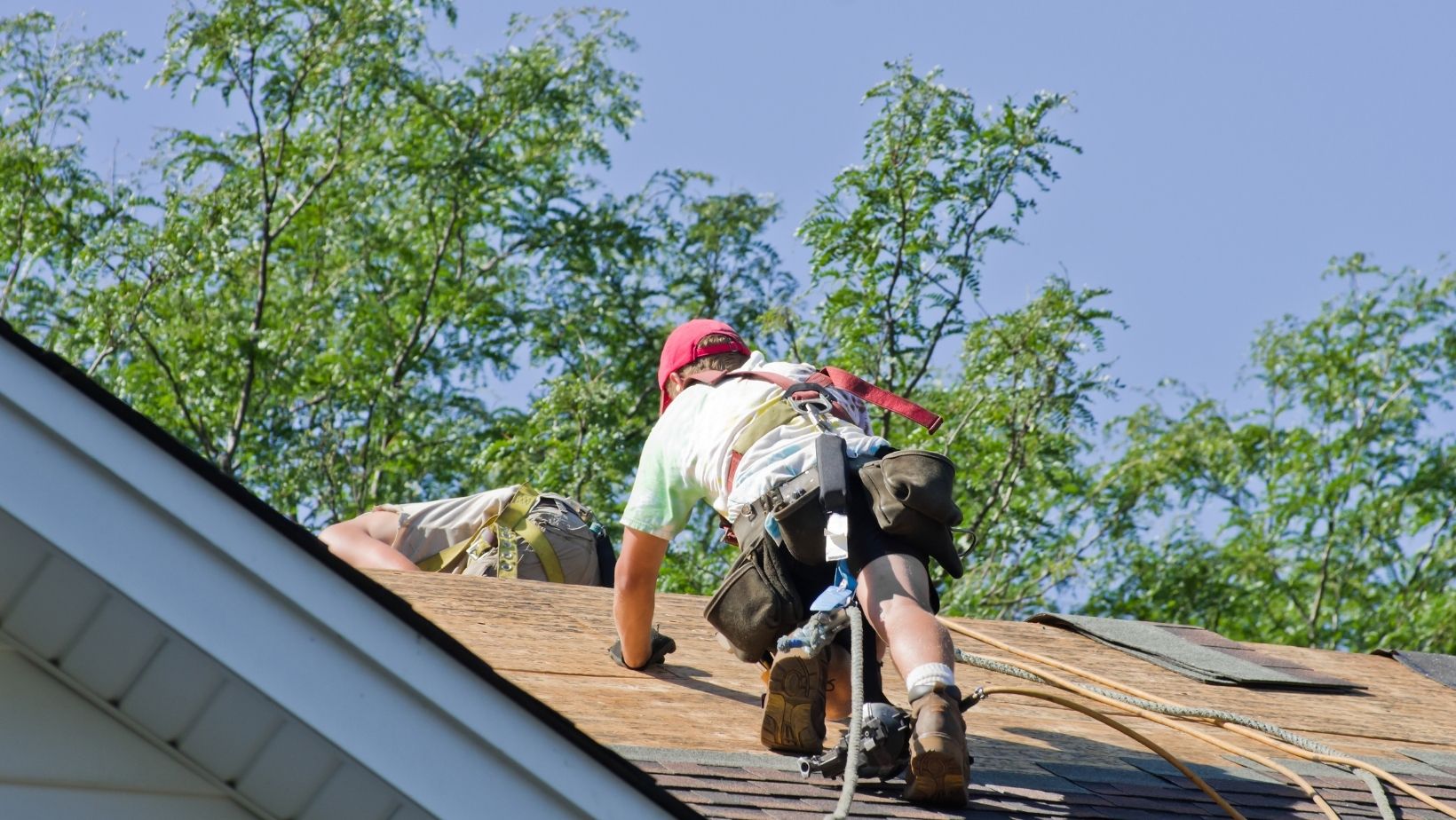
During the spring, the angle of the sun changes, and the intensity increases. If your coating is thinning or wearing away, your energy bills will start to climb as your AC works harder to fight the heat radiating through the roof. Checking the coating now allows you to reapply a top coat before the triple-digit temperatures of summer arrive. It is much easier to fix a thinning spot in April than it is to deal with a failing system in August.
Spotting Ponding Water Before It Breeds Trouble
Spring is famous for its rain. While a healthy roof coating should allow water to run off easily, a worn coating often leads to ponding water. This is when water sits in low spots for more than forty-eight hours.
When you go up on the roof in the spring, you can see exactly where the water is collecting. These damp spots are breeding grounds for algae and mold, which eat away at the protective chemicals in your roof coating. If you notice dark rings or dirt buildup in certain areas, your coating is likely failing there. Clearing these areas and touching them up in the mild spring weather prevents the underlying substrate from rotting.
Better Conditions for Repairs
If you find that your roof coating needs work, spring offers the perfect “Goldilocks” weather for applications. Most high-quality coatings require specific temperature ranges to cure correctly. If it is too cold, the coating won’t bond. If it is too hot, the material dries too fast and can bubble or crack.
Spring provides those moderate temperatures and lower humidity levels that professional contractors love. It allows the coating to settle and create a seamless, waterproof bond. Plus, roofing contractors are usually much busier in the summer and fall. By scheduling your inspection and any necessary touch-ups now, you avoid the long wait times and premium “emergency” pricing that happens after the first major summer thunderstorm hits.
Protecting Your Long-Term Investment
A roof coating is not a “set it and forget it” solution. It is a maintenance layer. Think of it like the oil in your car. You don’t wait for the engine to smoke before you change the oil. You check it regularly to keep the machine running.
Inspecting in the spring helps you maintain the warranty on your roofing system as well. Many manufacturers require proof of regular inspections to honor their claims. Keeping a log of your spring checks shows that you are a responsible homeowner or building manager. It turns a potential twenty-thousand-dollar roof replacement into a simple five-hundred-dollar afternoon tune-up.
Final Word
Don’t wait for a drip from the ceiling to tell you that your roof is in trouble. Taking a few hours this month to check for thinning spots or peeling edges will give you total peace of mind for the rest of the year. If you find anything concerning, calling for a roof repair midway service is the smartest move you can make for your property. A little bit of proactive care goes a long way in keeping your home dry and your wallet full.