
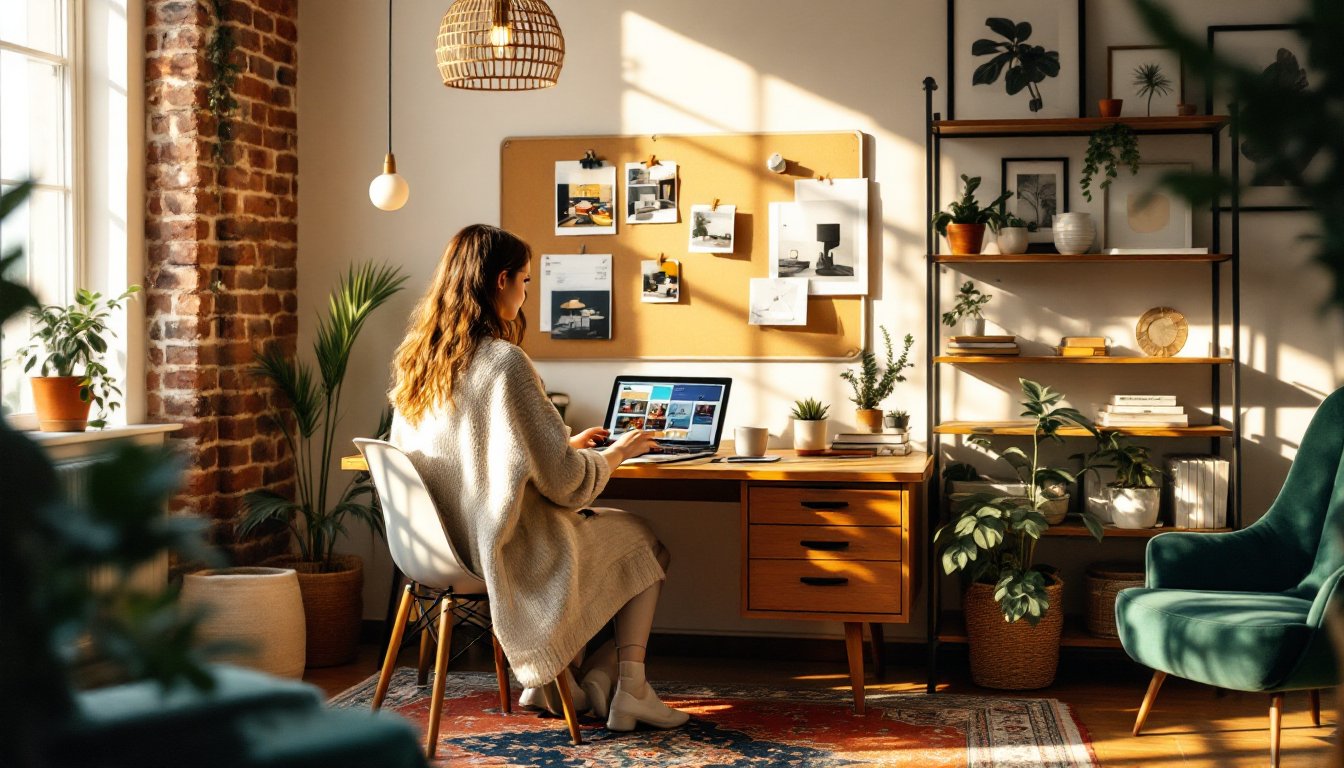

While Instagram and Pinterest dominate the conversation around design inspiration, Tumblr remains a surprisingly rich resource for anyone planning a room makeover or full renovation. The platform’s reblog culture creates a more organic flow of ideas, less algorithm-driven, more curator-driven. For DIYers and homeowners tired of the same recycled trends, Tumblr offers deeper dives into niche aesthetics, from mid-century modern to dark academia. This guide highlights the best interior design Tumblrs worth following in 2026 and shows how to translate digital inspiration into actionable projects that actually fit a budget and timeline.
Key Takeaways
- Interior design Tumblrs offer curator-driven inspiration without algorithm-driven content, making them ideal for discovering niche aesthetics like mid-century modern, dark academia, and wabi-sabi interiors.
- Top interior design Tumblrs such as Kinfolk Home, The Selby, and Jungalow showcase diverse styles from minimalist Scandinavian design to maximalist and eclectic approaches, each offering sourcing details and practical styling examples.
- Building an effective design feed requires following both professional designers and hobbyist curators, using specific tags for targeted searches, and paying attention to reblogged posts with added commentary that provide actionable tips.
- Transform Tumblr inspiration into real projects by starting with accurate measurements, identifying one or two hero elements to focus on, and testing paint colors and materials in your actual space before making final selections.
- Successful DIY renovations based on Tumblr ideas require realistic budgeting (add 15-20% to estimates), prioritizing prep work, sourcing available materials regionally, and adjusting designs for your skill level and available tools.
- Save posts to Tumblr’s queue feature and revisit them after several days to ensure design ideas still resonate with your space and lifestyle before committing to materials and labor.
Why Tumblr Remains a Hidden Gem for Interior Design Inspiration
Tumblr’s appeal lies in what it doesn’t do. It doesn’t push sponsored posts every third scroll. It doesn’t favor influencers with massive followings over individual curators with exceptional taste. The tag system allows users to dig into hyperspecific aesthetics, wabi-sabi interiors, art deco bathrooms, or cottage core kitchens, without the noise.
Unlike Pinterest, where pins often lead to dead links or vague product pages, Tumblr posts frequently include commentary, sourcing, or context from the person who reblogged them. That layer of human curation matters when someone’s trying to understand why a particular tile pattern works in a small bathroom or how a specific paint color behaves in north-facing light.
The platform also rewards deep exploration. Following a few well-maintained design Tumblrs creates a feed that evolves with the user’s taste, surfacing unexpected combinations, like pairing industrial lighting with soft textiles or mixing vintage furniture with modern cabinetry. For DIYers planning a project, this kind of serendipity often sparks better ideas than rigid mood boards.
Another advantage: Tumblr archives don’t expire. A design blog started in 2015 remains fully accessible, offering a decade of curated inspiration that reflects how trends have shifted. That historical depth helps DIYers distinguish between fleeting fads and enduring design principles worth investing time and materials into.
Top Interior Design Tumblrs You Need to Follow
Minimalist and Scandinavian Design Tumblrs
Kinfolk Home remains one of the most consistent sources for pared-down interiors that emphasize natural materials and intentional space. The blog features high-resolution images of homes where every element serves a purpose, solid oak dining tables, linen curtains, and matte black fixtures. It’s particularly useful for anyone planning a kitchen or living room renovation who wants to avoid clutter and maximize functionality.
Norm Architects’ Tumblr showcases the studio’s projects alongside curated finds. Expect to see a lot of travertine stone, light wood tones, and textural contrast. Their posts often include material specifications, which is gold for DIYers sourcing tile, countertops, or cabinetry. The studio’s work illustrates how to use tactile materials, like honed marble or oiled walnut, to add warmth to minimalist spaces without breaking the design language.
Muuto’s Inspiration Blog focuses on Scandinavian furniture and lighting in real-world settings. While it’s brand-driven, the styling examples are valuable for understanding scale and proportion. A post might show how a pendant light should hang relative to a dining table (30 to 36 inches above the surface is standard) or how to layer neutral textiles for depth.
Maximalist and Eclectic Style Tumblrs
The Selby documents the homes of creative professionals with an intimate, documentary-style eye. These aren’t staged interiors, they’re lived-in spaces filled with art, books, plants, and collected objects. For DIYers interested in maximalism, the blog demonstrates how to mix patterns, colors, and eras without tipping into chaos. The key takeaway: consistent lighting and a unified color palette anchor even the busiest rooms.
Apartment Therapy’s Tumblr offers a mix of reader-submitted homes and curated design finds. The eclectic range, from bohemian studios to colorful family homes, makes it a useful resource for anyone trying to define their own style. Posts often link to budget-friendly sources, which helps bridge the gap between inspiration and execution.
Dabito (Old Brand New) runs a Tumblr that’s unabashedly bold. Think jewel-tone walls, vintage rugs layered over hardwood, and gallery walls that mix framed art with sculptural objects. His approach to color is particularly instructive: he’s not afraid to paint an accent wall in deep emerald or burnt orange, and the results show how paint, often the cheapest material in a renovation, can completely transform a space.
Justina Blakeney’s Tumblr (Jungalow) leans into biophilic design, lots of plants, natural fibers, and global textiles. For DIYers planning a room refresh, her posts offer practical ideas like using macramé plant hangers to add vertical interest or swapping out builder-grade light fixtures for rattan or woven pendants.
How to Curate Your Own Interior Design Tumblr Feed
Building a useful design feed starts with intentional follows. Don’t just follow popular accounts, dig into tags that match the specific project at hand. Searching #small bathroom remodel or #galley kitchen design surfaces posts from DIYers and designers tackling similar constraints.
Use the queue feature to save posts for later review. When planning a renovation, it’s helpful to revisit saved images after a few days to see which ideas still resonate. First impressions can be misleading, what looks stunning in a photo might not suit the actual dimensions or light quality of the space being renovated.
Follow both professional designers and hobbyist curators. Professional accounts offer polished, high-budget examples that illustrate best practices, like how to detail a tile transition or where to place recessed lighting. Hobbyist accounts often show more realistic budgets and DIY solutions, like using peel-and-stick tile for a rental-friendly backsplash or refinishing existing cabinets instead of replacing them.
Pay attention to reblogs with added commentary. When a Tumblr user reblogs a design image and adds a note, “This would work with 12-inch luxury vinyl plank instead of hardwood”, that’s the kind of practical translation that makes inspiration actionable.
Create separate tags for different rooms or materials. Tagging saved posts as “kitchen backsplash,” “living room paint,” or “bathroom fixtures” makes it easier to reference them later when it’s time to make actual purchasing decisions or create a material list for a project.
Turning Tumblr Inspiration Into Real-Life Design Projects
The gap between a beautiful Tumblr image and a finished DIY project is wider than most people expect. Here’s how to close it without frustration or budget overruns.
Start with measurements and constraints. That stunning floor-to-ceiling tile might look incredible in a post, but if the bathroom ceiling is only 7 feet 6 inches (common in older homes), the proportions won’t translate. Measure the space first, then filter inspiration through those realities.
Identify the key element in an inspirational image. Is it the paint color? The tile pattern? The lighting fixture? Trying to replicate every detail usually leads to a disjointed result. Pick one or two hero elements and build around them with more budget-friendly choices.
Source materials with actual availability in mind. That reclaimed wood accent wall might look perfect on Tumblr, but if there’s no local supplier for reclaimed barnwood and shipping costs double the budget, it’s not a practical choice. Look for regional alternatives, salvage yards, Habitat for Humanity ReStores, or even big-box stores with reclaimed-look luxury vinyl planks.
Test paint colors and materials in the actual space. Purchase sample pots (usually under $5) and paint large swatches on multiple walls to see how the color shifts throughout the day. Natural light, especially, can make a warm gray look purple or a soft white appear stark.
Adjust for skill level and tool access. A Tumblr post might feature a herringbone tile pattern, but if it’s a first-time tile job, a straight stack bond pattern will be easier to execute cleanly. The same logic applies to woodworking: a simple shaker-style cabinet door can be built with a table saw and router, while more complex profiles require specialized bits and experience.
Budget realistically, then add 15-20%. Tumblr inspiration rarely includes cost breakdowns, and even when it does, prices vary by region and market conditions. For a kitchen backsplash, ceramic subway tile might run $8–$15 per square foot installed (DIY cuts that roughly in half), but unexpected substrate prep or trim pieces always add costs.
Don’t skip prep work. The reason those Tumblr kitchens look flawless is that the walls were properly primed, the tile was set on a clean, level surface, and trim was caulked and painted with care. Cutting corners on prep, like painting over glossy cabinets without sanding or tiling over uneven drywall, guarantees a finished project that doesn’t match the inspiration.
Conclusion
Interior design Tumblrs offer a wealth of curated inspiration that’s more personal and less algorithm-driven than other platforms. The key is moving from passive scrolling to active planning, measuring spaces, sourcing realistic materials, and breaking down aspirational images into achievable steps. With the right approach, those saved posts become a practical roadmap for a finished room that actually reflects the original vision.