
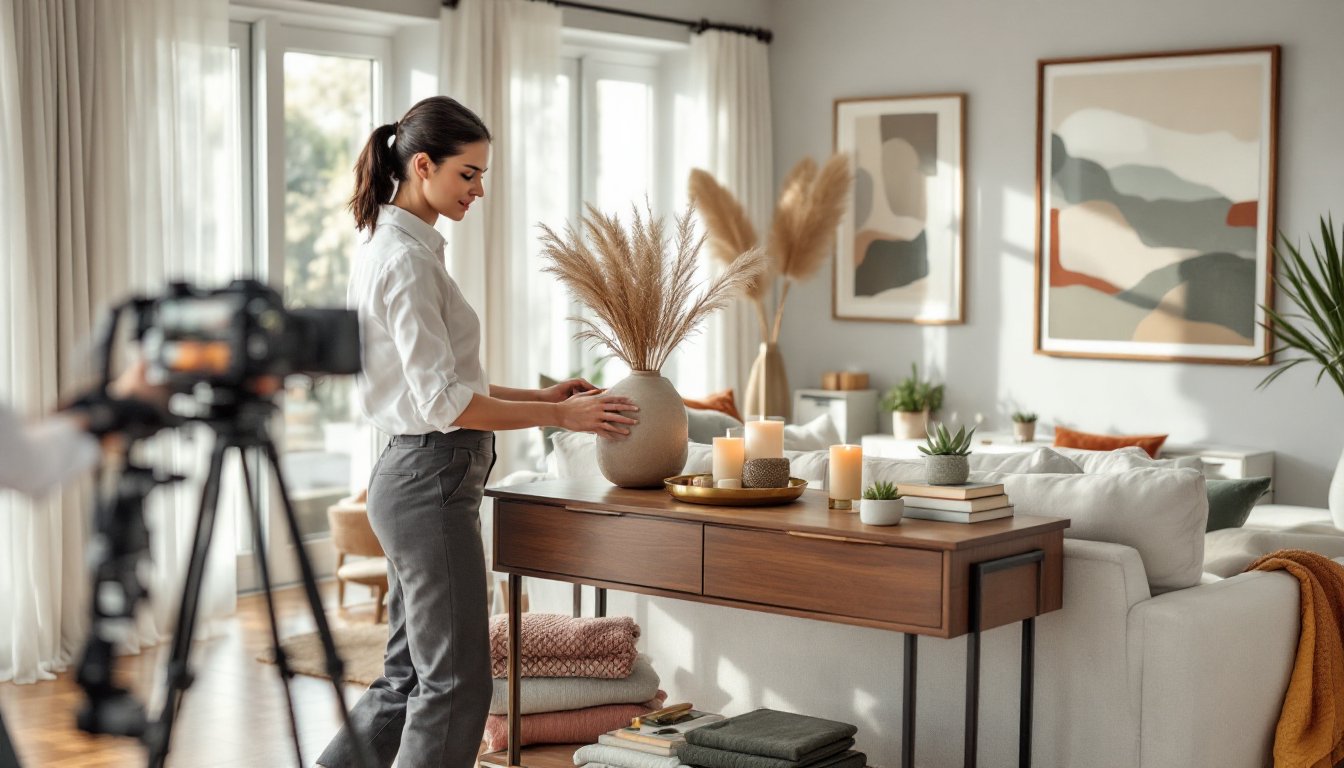

An interior design stylist brings the finishing touches that transform a well-designed room into a magazine-worthy space. Unlike interior designers who handle floor plans and structural layouts, stylists focus on aesthetics, the art objects, textiles, accessories, and spatial arrangements that give a room personality and polish. For DIYers looking to refresh their own spaces or those considering a career shift, understanding what a stylist does and how they work can unlock new ways to think about home staging, seasonal refreshes, and maximizing the impact of every square foot. This guide breaks down the role, the skills required, and the practical pathways into this growing field.
Key Takeaways
- An interior design stylist focuses on curating aesthetics, textiles, and decorative elements to create visually cohesive, camera-ready spaces—a role distinct from interior designers who handle structural planning and code compliance.
- Building a career as an interior design stylist requires developing a strong portfolio, gaining hands-on experience through assisting or retail work, and networking strategically across editorial, e-commerce, real estate, and brand sectors.
- Freelance interior design stylists earn day rates ranging from $300 to $1,200+, with experienced professionals commanding premium fees, while salaried positions in major markets average $40,000 to $90,000+ annually.
- Key skills for stylists include visual literacy, resourcefulness, communication, organization, and physical stamina—none of which require formal licensing, though design education strengthens foundational knowledge.
- No single pathway exists to become an interior design stylist, but starting with personal projects, collaborating with photographers, and specializing in a niche like real estate staging or e-commerce can accelerate career growth and income potential.
What Is an Interior Design Stylist?
An interior design stylist curates the visual elements within a space to create a specific mood, aesthetic, or brand identity. They select and arrange furniture, artwork, textiles, lighting fixtures, and decorative objects to achieve a cohesive, camera-ready result.
Stylists often work on short-term projects with defined endpoints, photo shoots for magazines, real estate staging, seasonal showroom displays, or brand campaigns. They’re hired for their eye, not their drafting skills. The job involves sourcing items from vendors, managing props and inventory, coordinating with photographers or creative directors, and sometimes working within tight turnarounds.
This role differs from home staging (which focuses strictly on marketability for sales) and from set design (which prioritizes storytelling over livability). Stylists balance beauty with function, though their work is typically temporary or revolves around visual presentation rather than long-term habitation.
Many stylists work freelance, building portfolios through editorial work, e-commerce shoots, or collaborations with design firms. Others are employed by retailers, magazines, or brands needing consistent in-house styling.
Interior Design Stylist vs. Interior Designer: Understanding the Key Differences
The distinction between a stylist and an interior designer hinges on scope, timeline, and technical responsibility.
Interior designers handle spatial planning, construction documents, code compliance, lighting plans, and material specifications. They work with contractors, pull permits when required, and solve structural or functional problems. Their projects span months or years and often involve renovation or new builds. Designers in many states must pass the NCIDQ exam and carry liability insurance.
Interior design stylists focus on the decorative layer. They don’t move walls, spec electrical, or coordinate with plumbers. Their work starts after construction is complete, or even after the designer’s job is done. Stylists arrange what’s visible: throw pillows, books, trays, vases, rugs, and art. They work in days or weeks, not months.
There’s overlap. Some interior designers also style: some stylists expand into light space planning. But in professional practice, designers are responsible for safety, code, and function, while stylists are accountable for aesthetics and visual storytelling.
For a DIYer, this distinction matters when hiring help. If walls need moving or lighting needs rewiring, hire a designer. If the bones are solid but the room feels flat, a stylist (or a strong styling skillset) is the fix.
Core Responsibilities and Skills of an Interior Design Stylist
A stylist’s daily work combines creative vision with logistical hustle. Responsibilities include:
- Sourcing and procurement: Finding furniture, props, textiles, and accessories from vendors, vintage shops, showrooms, or online retailers. Stylists maintain vendor relationships and track inventory.
- Spatial composition: Arranging objects to create visual balance, layers, and focal points. This involves understanding scale, proportion, color theory, and negative space.
- Collaboration: Working alongside photographers, art directors, brand managers, or homeowners to interpret creative briefs and deliver on-brand results.
- On-set execution: Installing, adjusting, and tweaking arrangements during shoots. This can mean rearranging a vignette a dozen times or steaming linens between shots.
- Trend awareness: Staying current on design movements, color forecasts, and material innovations to keep work relevant.
Key skills include:
- Visual literacy: An innate or trained ability to see balance, harmony, and tension in a composition.
- Resourcefulness: Finding budget-friendly alternatives, improvising with available materials, and problem-solving under time pressure.
- Communication: Translating abstract concepts into tangible results and managing client or team expectations.
- Physical stamina: Styling involves lifting furniture, climbing ladders, and standing for hours. It’s hands-on work.
- Organization: Managing multiple projects, tracking borrowed or rented items, and meeting tight deadlines.
No formal licensing is required to work as a stylist, though many pursue education in interior design, visual merchandising, or fine arts to build foundational skills.
How to Become an Interior Design Stylist in 2026
Breaking into styling doesn’t follow a single blueprint, but most successful stylists share a few common steps.
1. Build foundational knowledge
Formal education isn’t mandatory, but it helps. Certificate programs, associate degrees in interior design, or courses in visual merchandising provide training in color theory, composition, and material sourcing. Online platforms like the New York Institute of Art and Design or community colleges offer accessible entry points.
2. Develop a portfolio
Clients hire based on visual proof. Start by styling your own home, friends’ spaces, or volunteer projects. Collaborate with emerging photographers who need portfolio work, trade your styling for images. Document every project with high-quality photos. A cohesive online portfolio (via a personal website or platforms like Behance) is non-negotiable.
3. Gain hands-on experience
Assist established stylists, even unpaid initially, to learn workflows, vendor relationships, and on-set problem-solving. Retail jobs in home décor or visual merchandising also build relevant skills.
4. Network strategically
Attend industry events, join local design groups, and connect with photographers, real estate agents, and small brands needing content. Word-of-mouth and referrals drive most styling gigs.
5. Specialize (optional but advantageous)
Some stylists niche down, editorial, e-commerce, holiday, real estate staging, or sustainable styling. Specialization can command higher rates and clearer marketing.
6. Set up your business infrastructure
As a freelancer, you’ll need liability insurance (in case of damage to rented items or client property), contracts, invoicing systems, and a method for tracking rentals and returns.
The barrier to entry is lower than many creative fields, but building a sustainable income takes hustle, consistency, and a ruthless eye for detail.
Where Interior Design Stylists Work and Thrive
Interior design stylists find opportunities across several sectors:
Editorial and publishing
Magazines, design blogs, and digital media hire stylists to create aspirational room settings for photo features. These gigs offer high visibility but often modest pay, especially early in a career.
E-commerce and product photography
Retailers need styled product shots for websites and catalogs. Furniture brands, home goods companies, and online marketplaces employ stylists for lifestyle imagery that shows products in context.
Real estate staging
Though staging is its own discipline, many stylists cross over to stage homes for sale. Staged homes statistically sell faster and for higher prices, making this a steady revenue stream in active housing markets.
Showrooms and retail
Furniture stores, design showrooms, and home décor retailers employ stylists to refresh displays, create seasonal vignettes, and train sales staff on visual merchandising.
Brand and creative agencies
Companies launching new products or campaigns hire stylists for commercial shoots, social media content, and brand storytelling.
Private clients
Some stylists work directly with homeowners for one-day refreshes, holiday decorating, or preparing a home for special events. This market is growing as more people recognize the value of professional styling without committing to a full design overhaul.
Geographically, major metros like New York, Los Angeles, and Chicago offer more opportunities, but remote styling (sourcing and advising virtually, then coordinating local installation) is expanding the playing field.
Salary Expectations and Career Growth Potential
Earnings for interior design stylists vary widely based on experience, market, and work type.
Freelance day rates typically range from $300 to $1,200 per day, depending on the stylist’s reputation and the project scope. Experienced stylists with strong portfolios and specialty niches can command $1,500+ per day. Beginners or assistants might start at $150–$250.
Salaried positions with retailers, magazines, or brands average $40,000 to $65,000 annually in mid-sized markets, with senior or lead stylists in major cities earning $70,000 to $90,000+. Benefits and stability are trade-offs for potentially lower per-project income than top freelancers.
Project fees for real estate staging or private clients often range from $500 to $3,000+ per room or property, depending on complexity, location, and whether the stylist provides inventory or sources rentals.
Career growth can take several paths:
- Expanding into art direction or creative direction for larger campaigns
- Launching a product line or brand (stylists often leverage their aesthetic into retail)
- Teaching workshops, writing books, or building a media presence
- Transitioning into full interior design with additional education and licensing
Styling income can be inconsistent, especially early on. Many stylists supplement with related work, staging, visual merchandising, design consulting, until they build a reliable client base. The most successful treat styling as a business, not just a creative outlet, investing in marketing, client relationships, and continuous skill development.
Conclusion
Interior design styling is part art, part hustle, and entirely hands-on. It rewards those with a sharp eye, strong organizational skills, and the stamina to haul armloads of décor up three flights of stairs. For DIYers, adopting a stylist’s mindset, thinking in layers, editing ruthlessly, and treating every surface as a composition, can elevate any home project beyond basic function into something that genuinely looks finished.