
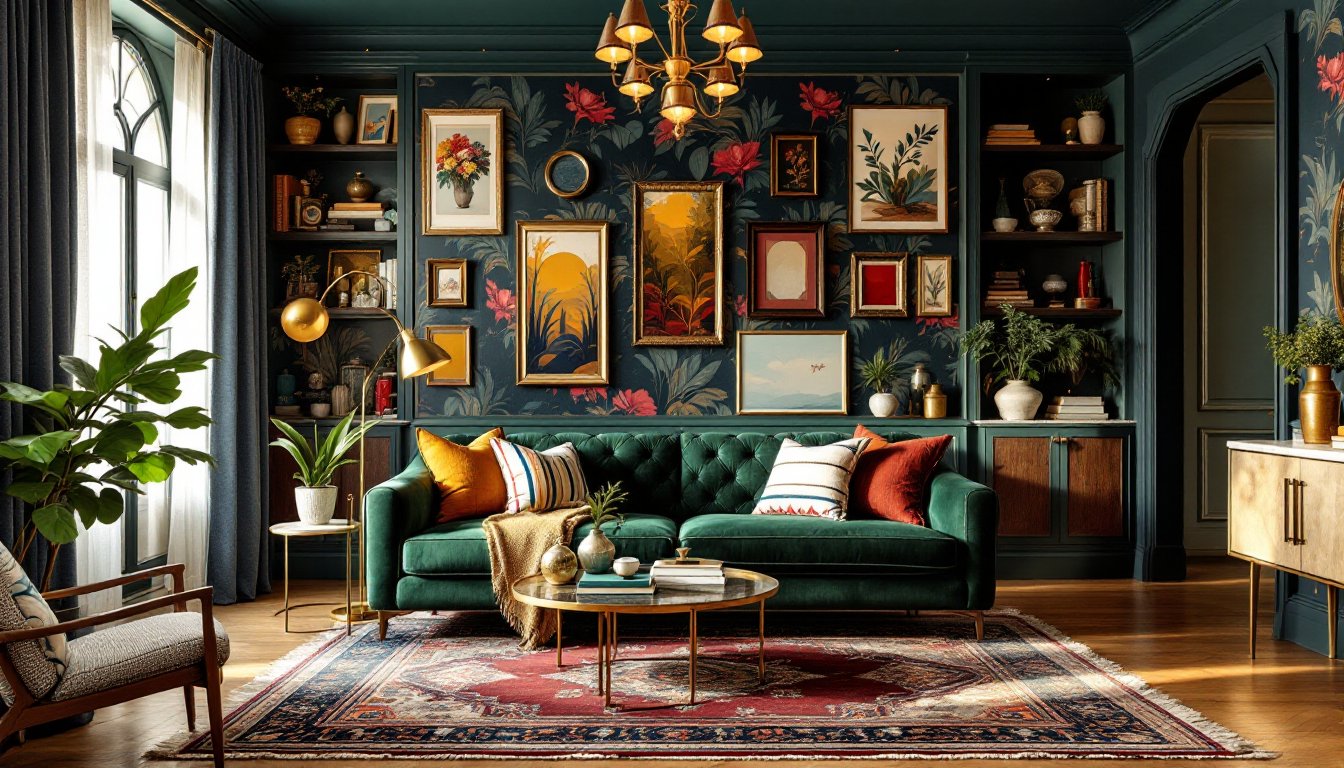

Maximalism interior design rejects the “less is more” philosophy in favor of bold self-expression through layered patterns, saturated colors, and curated collections. It’s not about clutter, it’s about intentionally filling a space with personality, texture, and visual interest. For homeowners tired of stark white walls and empty shelves, maximalism offers a refreshing alternative that transforms rooms into lived-in galleries. This guide breaks down the practical elements of maximalist design, from color theory and material layering to avoiding the line between curated chaos and actual mess.
Key Takeaways
- Maximalism interior design celebrates intentional accumulation of colors, patterns, and textures rather than clutter, with every element chosen deliberately to reflect personal style and storytelling.
- Bold color palettes and pattern mixing form the foundation of maximalist design, with three to five dominant colors repeated throughout and patterns unified by shared colors or similar scales.
- Texture layering using velvet, linen, leather, wood, and ceramics creates visual depth and prevents maximalist rooms from feeling flat, while layered lighting showcases these elements effectively.
- Anchor pieces like sofas and area rugs, combined with repetition of colors and shapes, provide structure that separates curated maximalism from chaotic clutter.
- Strategic use of negative space, clear sightlines, and closed storage keeps maximalist interiors visually balanced and prevents sensory overload.
- Maximalism interior design trends in 2026 include grandmillennial style, dopamine décor with joy-inducing colors, and full-room wallpaper applications that add instant visual impact.
What Is Maximalism Interior Design?
Maximalism is an interior design approach that embraces abundance, mixing multiple colors, patterns, textures, and decorative objects within a single space. Unlike minimalism’s emphasis on restraint, maximalist interiors celebrate visual density and personal storytelling through collected items, heirloom furniture, art, and bold finishes.
At its core, maximalism is intentional accumulation. Every item serves a purpose, whether aesthetic, sentimental, or functional. A maximalist living room might feature a jewel-toned velvet sofa, patterned wallpaper, gallery walls with mismatched frames, layered rugs, and open shelving displaying ceramics and books. The key difference from simple clutter is curation: each element is chosen deliberately to contribute to the overall composition.
This style gained traction as a counter-movement to the Scandinavian minimalism that dominated the 2010s. By 2026, maximalism has evolved beyond eclectic collecting into a recognized design discipline with its own principles and best practices. It appeals particularly to homeowners who want their spaces to reflect travel, hobbies, family history, and evolving tastes rather than catalog-perfect staging.
Core Principles of Maximalist Design
Maximalist design rests on several foundational principles that distinguish it from random accumulation. Understanding these helps homeowners build cohesive, visually engaging spaces.
Bold Color Palettes and Pattern Mixing
Maximalist spaces lean into saturated, high-contrast color schemes rather than neutral foundations. Think emerald green walls paired with burnt orange upholstery, or deep navy ceilings with mustard accents. The palette often includes three to five dominant colors repeated throughout the room in varying intensities.
Pattern mixing is a hallmark of the style. A single room might combine floral wallpaper, striped curtains, geometric throw pillows, and an Oriental rug. The trick is finding a common thread, usually a shared color or similar scale. For example, pairing large-scale botanical prints with small-scale geometric patterns works because the eye reads them at different distances. Avoid mixing multiple busy patterns at the same scale in the same sightline: it creates visual static rather than harmony.
When painting, use high-quality interior paints with rich pigment loads. Cheaper paints often require multiple coats to achieve saturated color, and the finish can look flat. Benjamin Moore’s Aura or Sherwin-Williams Emerald lines deliver the depth maximalist palettes demand. Calculate coverage at roughly 350–400 square feet per gallon for most premium paints, though darker colors may need additional coats.
Layering Textures and Materials
Texture creates visual weight and tactile interest. Maximalist rooms layer multiple material types: velvet, linen, leather, wood, metal, glass, stone, and ceramics all within one space. This prevents a room from feeling one-dimensional even when packed with color and pattern.
Consider a maximalist bedroom: a tufted velvet headboard against grasscloth wallpaper, layered with linen bedding, a chunky knit throw, silk pillows, a jute rug under a Persian runner, brass lamps, and marble-topped side tables. Each material reflects light differently and offers distinct tactile feedback, adding depth.
When installing architectural elements, think beyond paint. Wainscoting, picture molding, and coffered ceilings add three-dimensional texture. Crown molding comes in various profiles, 3.5-inch to 5.25-inch sizes work for standard 8-foot ceilings, while taller rooms can support more elaborate designs. Install using a miter saw for crisp corner joints: a coping saw works for inside corners on intricate profiles.
Textile layering applies to flooring as well. Hardwood or tile provides a solid base, topped with a large area rug, then a smaller accent rug or hide layered over it. Ensure the bottom rug has a non-slip pad rated for layered applications to prevent shifting, standard felt pads don’t provide enough grip for stacked rugs.
How to Achieve Maximalist Style Without Chaos
The line between maximalism and mess comes down to structure. These practical strategies keep abundant spaces from tipping into visual overload.
Establish anchor pieces first. Start with large, foundational items, sofa, bed frame, dining table, area rug, before adding layers. These anchors provide visual weight and organizational structure. In a maximalist living room, a large sectional in a bold color acts as the anchor around which smaller elements orbit.
Use repetition to create rhythm. Repeat colors, shapes, or materials throughout the space. If brass finishes appear on light fixtures, repeat them in picture frames, drawer pulls, and accent tables. If you introduce a specific shade of blue in artwork, echo it in pillows and ceramics. This repetition unifies disparate elements.
Create intentional vignettes. Group items in odd-numbered clusters (3, 5, or 7 objects) at varying heights. On a bookshelf, this might mean stacking books horizontally to create height variation, then topping with a small sculpture and leaning a framed print behind it. This styling technique, borrowed from visual merchandising, makes collections look curated rather than haphazard.
Respect negative space in small doses. Even maximalist rooms need breathing room. Leave some wall sections empty, or keep one surface (like a coffee table) relatively clear. This gives the eye a place to rest and prevents sensory fatigue.
Mind the sightlines. Stand in doorways and key positions to assess how the room reads from different angles. Avoid placing all visual weight on one side, which creates imbalance. Distribute color and pattern throughout the space so no single corner dominates.
Invest in proper lighting. Maximalist rooms need layered illumination to showcase textures and colors. Combine ambient lighting (ceiling fixtures or recessed cans), task lighting (table and floor lamps), and accent lighting (picture lights or LED strips). Dimmer switches allow adjustment for different moods and times of day. When installing recessed lighting, follow the general rule of spacing fixtures approximately 4 to 6 feet apart and positioning them 18 to 24 inches from walls to avoid shadows.
Storage matters. Maximalism doesn’t mean everything on display. Use closed storage for everyday clutter, bills, chargers, cleaning supplies, so displayed items remain curated. Built-in cabinetry, storage ottomans, and concealed drawer systems keep functional mess contained.
Popular Maximalist Design Trends in 2026
Maximalism continues evolving with new trends emerging in materials, color directions, and spatial approaches.
Grandmillennial style (sometimes called “granny chic”) layers traditional elements, chintz fabrics, ruffled lampshades, needlepoint pillows, scalloped edges, with modern silhouettes. It’s maximalism with a nostalgic bent, popular among younger homeowners reclaiming vintage aesthetics.
Dopamine décor emphasizes joy-inducing color choices and playful elements. Think sunshine yellow accent walls, hot pink velvet chairs, and gallery walls mixing serious art with whimsical prints. The focus is on mood-boosting environments rather than following strict color theory.
Sustainable maximalism curates vintage and secondhand finds rather than buying new. Flea market ceramics, estate sale furniture, and architectural salvage create layered, eclectic spaces with lower environmental impact. This approach requires more patience, building the look over time through hunting and collecting.
Jewel-tone palettes continue dominating, particularly emerald, sapphire, ruby, and amethyst hues combined with metallic accents. These rich colors photograph well and create dramatic, enveloping environments.
Wallpaper as art has moved beyond accent walls to full-room applications, including ceilings (often called the “fifth wall” in design circles). Large-scale murals, hand-painted patterns, and textured grasscloths add instant maximalist impact. When hanging wallpaper, account for pattern repeat, the vertical distance before a pattern sequence repeats. Large repeats (over 24 inches) increase waste, so order 15-20% extra to accommodate matching.
Curved furniture and architectural elements soften maximalist rooms filled with pattern and color. Arched doorways, rounded mirrors, and kidney-shaped sofas add organic counterpoints to busy visual fields.
Maximalism vs. Minimalism: Choosing Your Style
The maximalism-minimalism debate isn’t binary, many homeowners land somewhere on the spectrum between the two.
Minimalism prioritizes simplicity, clean lines, neutral palettes, and carefully edited possessions. It suits those who feel calmer in uncluttered environments and prefer low-maintenance spaces. Minimalist homes showcase architecture and a few statement pieces rather than collections.
Maximalism suits collectors, travelers, and anyone who finds joy in being surrounded by meaningful objects. It requires more maintenance, dusting collections, rotating displays, managing visual complexity, but rewards with deeply personalized environments.
Practical considerations matter. In small spaces (under 500 square feet), maximalism can work but requires discipline. Use vertical space for display, stick to a tighter color palette, and ensure adequate lighting. Minimalism often makes small spaces feel larger, but a well-executed maximalist studio can feel cozy rather than cramped.
Resale value is worth considering. Neutral, minimal staging appeals to broader buyer pools, but this shouldn’t prevent homeowners from enjoying their spaces while living there. Bold paint colors and removable wallpaper can be changed before listing.
Many homeowners adopt a hybrid approach: minimalist kitchens and bathrooms (easier to clean, safer with fewer items near water and heat sources) paired with maximalist living rooms and bedrooms. This balances visual interest with practical function.
Eventually, the choice depends on how someone wants to feel at home. Maximalism offers immersive, stimulating environments. Minimalism provides calm and visual clarity. Neither is objectively better, both are valid design languages that serve different psychological and aesthetic needs.