
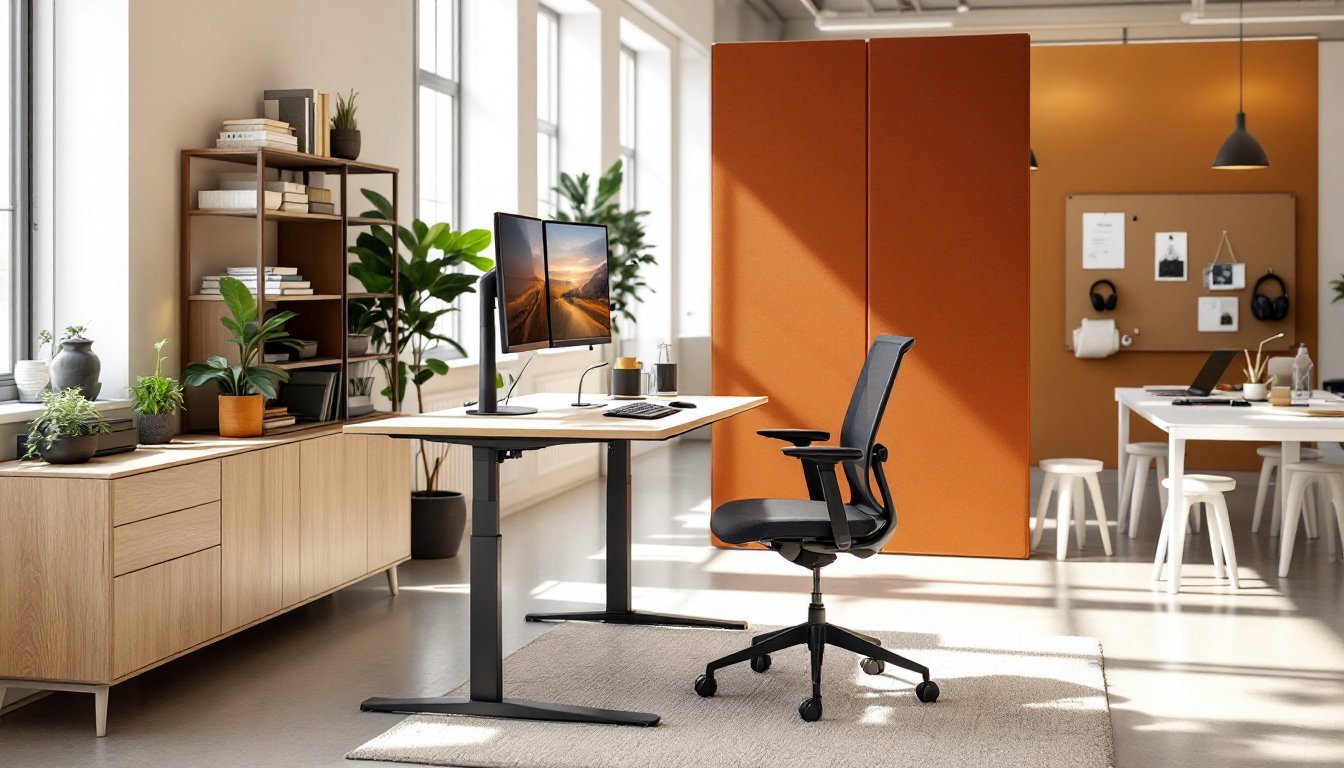

Office furniture isn’t just about filling square footage, it’s the backbone of how a workspace functions. The right layout and furniture choices can reduce fatigue, streamline workflow, and even influence employee retention. Poor choices, on the other hand, lead to back pain, wasted space, and a vibe that screams “cubicle farm circa 2003.” Whether outfitting a home office or redesigning a commercial suite, understanding how furniture intersects with interior design principles helps create environments where people actually want to work. This guide covers the essential pieces, design strategies, and ergonomic considerations that turn an office from functional to exceptional.
Key Takeaways
- Office furniture interior design directly impacts employee productivity, retention, and well-being by reducing fatigue, streamlining workflow, and signaling company investment in worker comfort.
- Ergonomic seating with adjustable height, lumbar support, and properly sized desks (29–30 inches high, 30 inches deep) prevent repetitive strain injuries and eye strain from poor positioning.
- Strategic storage solutions like lateral filing cabinets, modular systems, and vertical pegboard walls reduce time wasted searching for documents and maximize usable square footage in commercial spaces.
- A cohesive office aesthetic relies on intentional material palettes (2–3 finishes), color psychology aligned with work type, and proper furniture scale that occupies 50–60% of floor space.
- Employee well-being is enhanced through acoustic control, sit-stand versatility, biophilic elements, and private focus zones that accommodate diverse work styles and postural needs throughout the day.
Why Office Furniture Design Matters More Than Ever
The shift to hybrid and remote work has fundamentally changed how people think about office spaces. Workers who split time between home and corporate environments now expect consistency in comfort and function across both. A poorly designed office, whether it’s a spare bedroom or a 10,000-square-foot commercial build-out, creates friction. Employees get distracted by glare on monitors, develop repetitive strain injuries from cheap chairs, or waste time hunting for supplies in disorganized storage.
From a business perspective, office design affects recruitment and retention. Talented workers have options, and they’re comparing workspaces the way they compare benefits packages. A thoughtfully designed office signals investment in employee well-being, while a thrown-together setup suggests the opposite.
There’s also the practical matter of real estate costs. Commercial rent runs anywhere from $15 to $60+ per square foot annually depending on market and location (as of 2026). Furniture that maximizes usable space, modular desks, vertical storage, multifunctional pieces, delivers better ROI per square foot. For home offices, strategic furniture choices can mean the difference between claiming a legitimate workspace deduction or not.
Finally, building codes and safety standards apply to commercial offices. The International Building Code (IBC) and OSHA regulations govern everything from aisle width to desk stability in seismic zones. Residential home offices don’t face the same scrutiny, but ergonomic standards (like ANSI/HFES 100 guidelines) still provide useful benchmarks for desk height, monitor placement, and chair adjustability.
Essential Furniture Pieces Every Modern Office Needs
Ergonomic Seating and Desks
Task chairs are the single most important furniture investment. Look for models with adjustable seat height (typically 16″ to 21″ range), lumbar support that contacts the lower back at the L3–L5 vertebrae, and armrests that allow elbows to rest at 90 degrees. Mesh-back chairs improve airflow during long sessions: upholstered chairs offer more cushion but trap heat. Budget $250–$800 for a quality task chair that’ll last 5–10 years under daily use. Cheaper big-box models often fail at the gas lift cylinder or tilt mechanism within two years.
Desk height standards default to 29″–30″, which works for users roughly 5’8″ to 6′ tall. Anyone shorter or taller benefits from a height-adjustable desk. Electric sit-stand desks now start around $400 and allow users to alternate posture throughout the day, reducing static load on the spine. Manual crank models cost less but see lower adoption because they’re slower to adjust.
Desktop depth matters more than most realize. A 30″ deep desk provides enough space to keep a monitor at arm’s length (the ergonomic sweet spot) while leaving room for a keyboard, mouse, and documents. Shallow 24″ desks force monitors too close, increasing eye strain. Width depends on setup: a single-monitor workstation fits on 48″, but dual-monitor or multi-tasking setups need 60″–72″.
Storage Solutions That Reduce Clutter
Clutter kills productivity. The average office worker wastes 4.3 hours per week searching for documents or supplies, according to workplace efficiency studies. Vertical filing cabinets (legal or letter size) work for physical archives but eat floor space. Lateral file cabinets offer the same capacity in a footprint that doubles as a credenza or room divider.
For active projects, open shelving keeps materials visible and accessible. Use adjustable shelves spaced 12″–14″ apart for binders and reference books, closer for smaller items. Closed cabinetry hides visual clutter and is essential in client-facing offices where first impressions matter.
Modular storage systems (cube organizers, pegboard walls, slat-wall panels) adapt as needs change. Pegboard is underrated, it turns vertical wall space into tool or supply storage and costs under $20 for a 4′ × 4′ panel at most home centers. Pair it with hooks and baskets sized to the gear: headphone hangers, cable organizers, small bins for chargers and dongles.
Don’t overlook drawer dividers and desktop organizers. A desk with one deep file drawer and two shallow drawers for supplies beats three identical drawers. Drawer dividers (foam, wood, or injection-molded plastic) prevent the junk-drawer effect.
Design Principles for a Cohesive Office Aesthetic
A cohesive office aesthetic isn’t about matching wood tones or buying a furniture set, it’s about intentional material, color, and scale choices that support the work being done.
Start with a material palette of two to three finishes. For example: light oak desktops, matte black metal frames, and soft gray upholstery. Mixing metals (brass drawer pulls, chrome monitor arms, powder-coated steel legs) can work if the overall palette stays restrained. Avoid the trap of buying each piece from a different collection: the result looks haphazard.
Color psychology plays a role. Blue tones promote focus and calm, ideal for deep-work environments like accounting or legal offices. Warmer colors (terracotta, ochre, wood tones) create approachable, collaborative vibes suited to creative studios or client-facing spaces. Neutral bases (white, gray, beige) allow flexibility: accent colors can rotate with minor updates like cushions, artwork, or desk accessories.
Scale and proportion prevent a room from feeling either cramped or empty. In a 10′ × 12′ home office, a 72″ executive desk overwhelms the space. Conversely, a 48″ floating desk in a 15′ × 20′ room feels lost. Furniture should occupy roughly 50–60% of floor area, leaving clearance for movement and doors.
Pay attention to sightlines and focal points. Position the primary desk so the user faces into the room or toward a window, not a blank wall. If the office includes a meeting table or lounge seating, arrange it to define zones without blocking pathways. Area rugs (typically 5′ × 7′ or 8′ × 10′ for office use) anchor furniture groups and reduce echo in hard-surface rooms.
Lighting ties the aesthetic together. Overhead ambient lighting (recessed LEDs, flush-mounts) should deliver 30–50 foot-candles of illumination. Add task lighting (desk lamps, under-cabinet LEDs) at the work surface for another 50–75 foot-candles. Adjustable color temperature (2700K warm to 5000K daylight) helps users match light to task and time of day.
Balancing Functionality with Employee Well-Being
Well-being isn’t a luxury add-on, it’s embedded in how furniture supports the body and mind over an eight-hour day.
Acoustic control starts with furniture choices. Upholstered panels, fabric-wrapped tackboards, and high-back lounge chairs absorb sound. Open-plan offices benefit from freestanding acoustic dividers (often fabric-wrapped fiberglass or felt) placed between workstations. These cost $150–$400 per panel but cut ambient noise by 5–10 decibels, enough to reduce fatigue.
Sit-stand versatility deserves emphasis beyond desks. Adjustable-height tables for collaboration, stools at standing-height counters, and even balance boards or anti-fatigue mats give users postural variety. Static postures, even “good” ones, cause discomfort after 20–30 minutes. Movement is the goal.
Biophilic elements (natural materials, plants, natural light access) improve mood and cognitive function. Wooden desktops, cork bulletin boards, and stone or concrete accents introduce tactile variety. Live plants require maintenance, but low-light species like pothos or snake plants tolerate office conditions. If natural light is limited, full-spectrum LED bulbs (CRI 90+) mimic daylight better than standard cool-white LEDs.
Privacy and focus zones matter even in collaborative environments. Not every task benefits from openness. Provide enclosed phone booths, high-back lounge chairs, or alcove desks with partial screening for heads-down work or confidential calls. These don’t require drywall: modular felt or glass panels work and can relocate as needs shift.
Finally, involve the people using the space. Survey employees about pain points, glare, noise, lack of storage, uncomfortable seating. Prioritize fixes that affect the most users. A $600 ergonomic chair helps one person: $600 in acoustic panels or adjustable monitor arms can improve conditions for an entire team.
Conclusion
Office furniture interior design is equal parts ergonomics, spatial planning, and honest assessment of how work actually happens. Investing in adjustable seating, appropriately scaled desks, smart storage, and cohesive materials creates a space that supports productivity and respects the people using it. Whether building out a commercial suite or carving a home office from a spare bedroom, the same principles apply: measure twice, prioritize comfort, and design for the work, not just the aesthetic.