
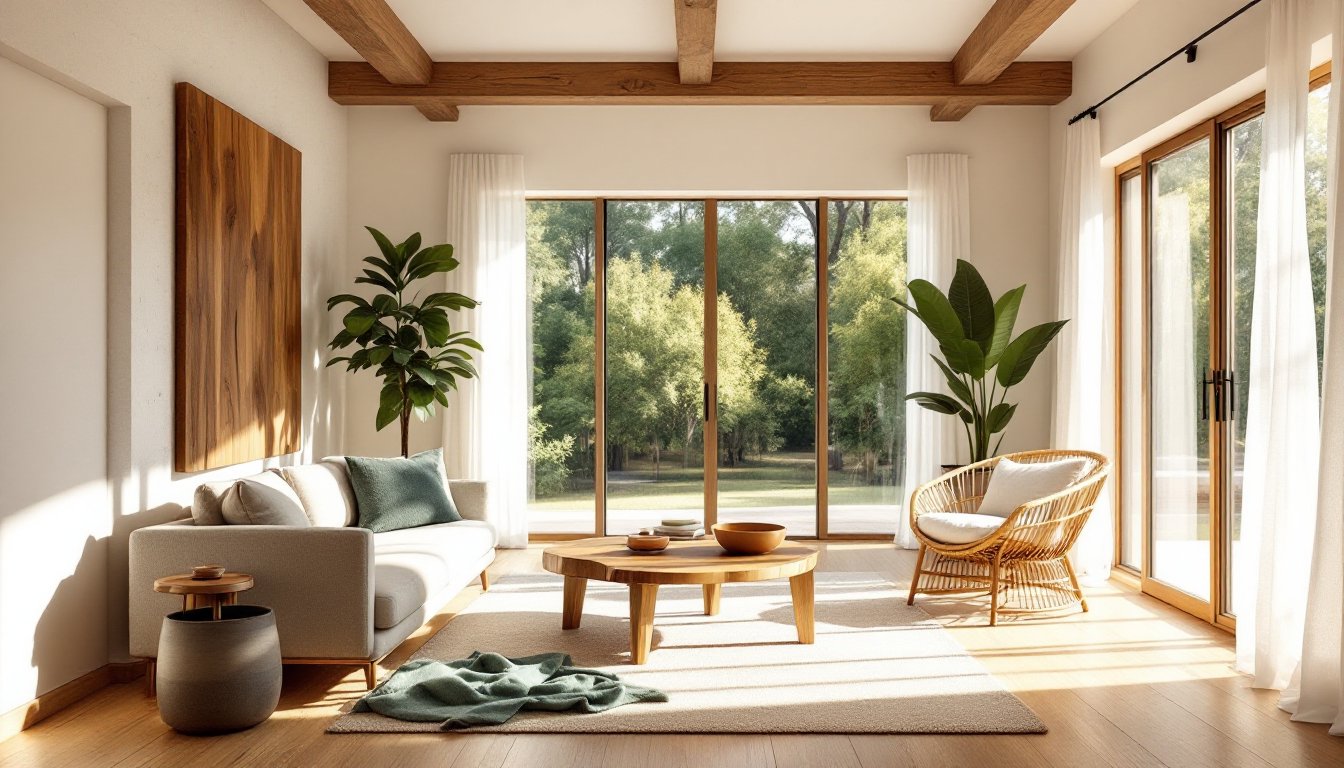

Nature inspired interior design connects indoor spaces to the natural world through materials, colors, textures, and living elements. This design approach isn’t about rustic cabin aesthetics or farmhouse trends, it’s grounded in biophilic design principles that recognize humans’ innate need for connection to nature. Homeowners who incorporate natural elements often report reduced stress, improved air quality, and a sense of calm in their daily environments. Whether refreshing a single room or planning a whole-home renovation, nature inspired design offers practical, buildable solutions that work with existing architecture and don’t require tearing down walls or applying for permits.
Key Takeaways
- Nature inspired interior design uses biophilic principles—grounded in real materials, organic colors, and natural light—to reduce stress and improve air quality without major renovations.
- Select solid natural materials like hardwood, stone, and natural fibers over manufactured alternatives, choosing wood species with visible grain and avoiding high-gloss finishes to preserve authenticity.
- Match houseplants to actual light conditions (low, medium, or bright) and use pots with drainage holes to prevent root rot, or opt for low-maintenance preserved moss panels as an alternative.
- Maximize natural light by removing heavy drapes, cleaning windows, and adding skylights or sun tunnels; position mirrors opposite windows to amplify light throughout the space.
- Create biophilic spaces by layering organic textures, using earth-toned color palettes (taupe, sage green, terracotta), and incorporating natural patterns and framed views of nature in each room.
- Implement nature inspired design room-by-room: living rooms with stone focal points, kitchens with natural countertops, bathrooms with water-resistant wood and proper ventilation, and home offices near windows to reduce screen fatigue.
What Is Nature Inspired Interior Design?
Nature inspired interior design integrates organic elements, natural materials, and references to outdoor environments into built spaces. The goal is creating interiors that mirror patterns, textures, and conditions found in nature, think dappled light filtering through branches, the grain of weathered wood, or the layered textures of moss and stone.
This approach differs from decorating with nature-themed prints or botanical throw pillows. It’s structural and material-focused. Designers specify real wood flooring instead of laminate, choose stone tile over vinyl, and install operable windows to maximize natural ventilation and light. The design philosophy recognizes that humans evolved in natural environments, and modern buildings often isolate occupants from those conditions.
Biophilic design research supports this. Studies show that exposure to natural materials, daylight, and plants measurably reduces cortisol levels and improves cognitive function. For DIYers, this translates to practical choices: selecting quarter-sawn oak for visible grain, exposing structural beams instead of covering them with drywall, or installing a skylight to bring in overhead natural light.
Nature inspired design also accommodates different climates and regional contexts. A desert home might emphasize stone, terra cotta, and drought-tolerant plants, while a Pacific Northwest interior could feature cedar paneling, moss walls, and large windows framing evergreen views.
Key Elements of Nature Inspired Interiors
Natural Materials and Textures
Wood is the foundational material. Use solid hardwood flooring, reclaimed barn wood for accent walls, or live-edge slabs for shelving and countertops. Specify species that show character, white oak has visible ray flake, walnut offers rich brown tones, and Douglas fir displays prominent grain. Avoid over-finishing: matte or satin polyurethane preserves natural texture better than high-gloss.
Stone works for flooring, backsplashes, and fireplace surrounds. Slate, limestone, and travertine have organic color variation that feels less manufactured than uniform porcelain. For countertops, soapstone and quartzite offer durability without the industrial look of engineered quartz. Note that natural stone requires sealing, typically once or twice a year depending on porosity and use.
Natural fibers add tactile warmth. Jute, sisal, and wool rugs provide texture underfoot. Linen curtains diffuse light softly. Rattan and wicker furniture introduce curves and woven patterns that contrast with straight drywall lines. When shopping, check construction, hand-woven pieces last longer than stapled alternatives.
For walls, consider alternatives to standard latex paint. Lime wash creates a matte, slightly mottled finish that shifts with light. Clay plaster adds texture and naturally regulates humidity. Both require specific application techniques, watch moisture content and apply in thin coats to avoid cracking.
Organic Color Palettes
Nature inspired palettes pull from earth, sky, and plant tones. Warm neutrals, taupe, sand, greige, warm white, form the base. These colors reflect light without the starkness of pure white or the heaviness of gray.
Accent with colors found in natural settings: terracotta, ochre, sage green, slate blue, charcoal, and rust. These hues pair well with natural wood tones and don’t fight against material colors. A common mistake is choosing too many accent colors, stick to two or three to maintain cohesion.
Test paint samples on multiple walls and observe them at different times of day. Natural light changes color temperature dramatically. North-facing rooms skew cool and may benefit from warmer ochres or taupes, while south-facing spaces can handle cooler greens and blues.
For stain selection on wood trim or cabinetry, consider the undertone. Red oak has warm pink undertones that clash with cool grays: white oak has neutral undertones that work with most palettes. If refinishing existing trim, sand to bare wood and apply test stains on an inconspicuous area, stain penetration varies by wood density and age.
Bringing the Outdoors In: Plants and Greenery
Living plants improve air quality, increase humidity, and provide dynamic visual interest that changes with seasons and growth. But success requires matching plants to actual light conditions, not aspirational ones.
Low-light spaces (north-facing rooms, interiors without windows) support pothos, snake plants, ZZ plants, and philodendrons. These tolerate neglect and inconsistent watering. Medium-light areas work for monsteras, ferns, and dracaenas. Bright, indirect light suits fiddle leaf figs, bird of paradise, and rubber plants.
Direct sun is harsh for most houseplants but works for succulents, cacti, and some palms. If a south-facing window gets hot afternoon sun, add a sheer curtain or move plants back a few feet.
For installation, choose pots with drainage holes, standing water causes root rot, the leading cause of houseplant death. Use a saucer underneath to catch overflow. Standard potting mix works for most plants: succulents need added perlite or sand for faster drainage.
Large plants (6-foot fiddle leaf figs, 8-foot birds of paradise) make architectural statements but require floor space and structural containers. A 10-inch ceramic pot filled with soil and a mature plant can weigh 40+ pounds, make sure flooring can support it, and use furniture sliders if repositioning.
Living walls or vertical gardens add greenery without floor space. These systems require irrigation setup, either manual watering or drip lines connected to plumbing. DIY panel systems are available, but plan for ongoing maintenance. Plants need fertilizing, pruning, and occasional replacement.
If caring for live plants isn’t feasible, preserved moss panels offer a no-maintenance alternative. These use stabilized moss (treated with glycerin) that retains color and texture without water or light. They’re installed like wall art and add significant texture and sound absorption.
Natural Light and Biophilic Design Principles
Natural light is the most impactful element in nature inspired design. It changes color temperature throughout the day, creates shadows that add depth, and connects occupants to outdoor conditions and time of day.
Maximize existing windows first. Remove heavy drapes and replace with sheer linen or leave windows bare if privacy allows. Clean glass inside and out, dirt and film block significant light. Trim exterior vegetation that blocks windows, but preserve views of trees and sky.
Window placement affects light quality. South-facing windows provide consistent, bright light in the Northern Hemisphere. East windows deliver soft morning light: west windows bring intense afternoon sun that can overheat spaces. North-facing windows offer cool, even light ideal for workspaces.
For renovations, adding windows requires structural consideration. Headers must support the load above, a 4-foot window opening in a load-bearing wall typically needs a double 2×8 or engineered header, depending on span and load. This work requires permits in most jurisdictions. Consult local building codes and consider hiring a structural engineer for openings wider than 6 feet.
Skylights and sun tunnels bring overhead light into interior spaces. Skylights require roof penetration, flashing, and proper installation to prevent leaks, not a beginner DIY project unless experienced with roofing. Tubular skylights (sun tunnels) are simpler: they use a small roof dome connected to a reflective tube that channels light to a ceiling diffuser. These work well for hallways, closets, and bathrooms.
Mirrors and reflective surfaces amplify available light. Position a large mirror opposite a window to bounce light deeper into the room. Avoid placing mirrors where they’ll create glare on screens or in sight lines.
Biophilic design principles extend beyond materials and light. Incorporate views of nature, even framed views of a single tree. Use natural patterns, fractal patterns found in branching, spirals, and organic shapes, in tile layouts, wallpaper, or artwork. Create spaces with prospect and refuge: open areas with good sightlines (prospect) balanced with cozy nooks and enclosed seating (refuge).
Room-by-Room Application of Nature Inspired Design
Living rooms benefit from large plants, natural fiber rugs, and wood or stone focal points. A stone fireplace surround or reclaimed wood accent wall anchors the space. Use linen or cotton upholstery in neutral tones. Layer textures: a jute rug under a wool throw, linen curtains against wood blinds.
Kitchens are prime candidates for natural stone countertops and wood elements. Butcher block counters on islands add warmth (though they require regular oiling with food-safe mineral oil). Open shelving in natural wood shows off dishware and breaks up solid cabinetry. For backsplashes, consider stacked stone, slate, or handmade ceramic tile with organic glazes. Avoid high-gloss finishes that feel synthetic.
Bathrooms handle moisture well with stone and tile but benefit from wood accents if properly sealed. Teak is naturally water-resistant and works for shower benches, bath mats, and shelving. Pebble tile flooring in showers mimics riverbeds and provides slip resistance. Use natural stone tiles for walls and floors, just ensure proper waterproofing membrane (like RedGard or Schluter systems) underneath. Bathrooms need ventilation: install or upgrade exhaust fans to prevent mold (minimum 50 CFM for bathrooms under 50 square feet, 1 CFM per square foot for larger spaces per IRC).
Bedrooms should prioritize calm. Use soft, organic color palettes, warm whites, soft greens, muted blues. Natural linen bedding breathes better than synthetic microfiber. A live-edge wood headboard or simple wood platform bed adds material warmth without visual clutter. Keep plants to low-maintenance varieties: bedrooms often have lower light.
Home offices need ample natural light and green elements to reduce screen fatigue. Position desks near windows (but avoid glare on monitors). Add a large plant like a fiddle leaf fig or monstera in a corner. Use wood desk surfaces and natural fiber desk chairs if possible. Biophilic design studies show that views of nature, even through a window, improve focus and reduce mental fatigue during sustained work.