
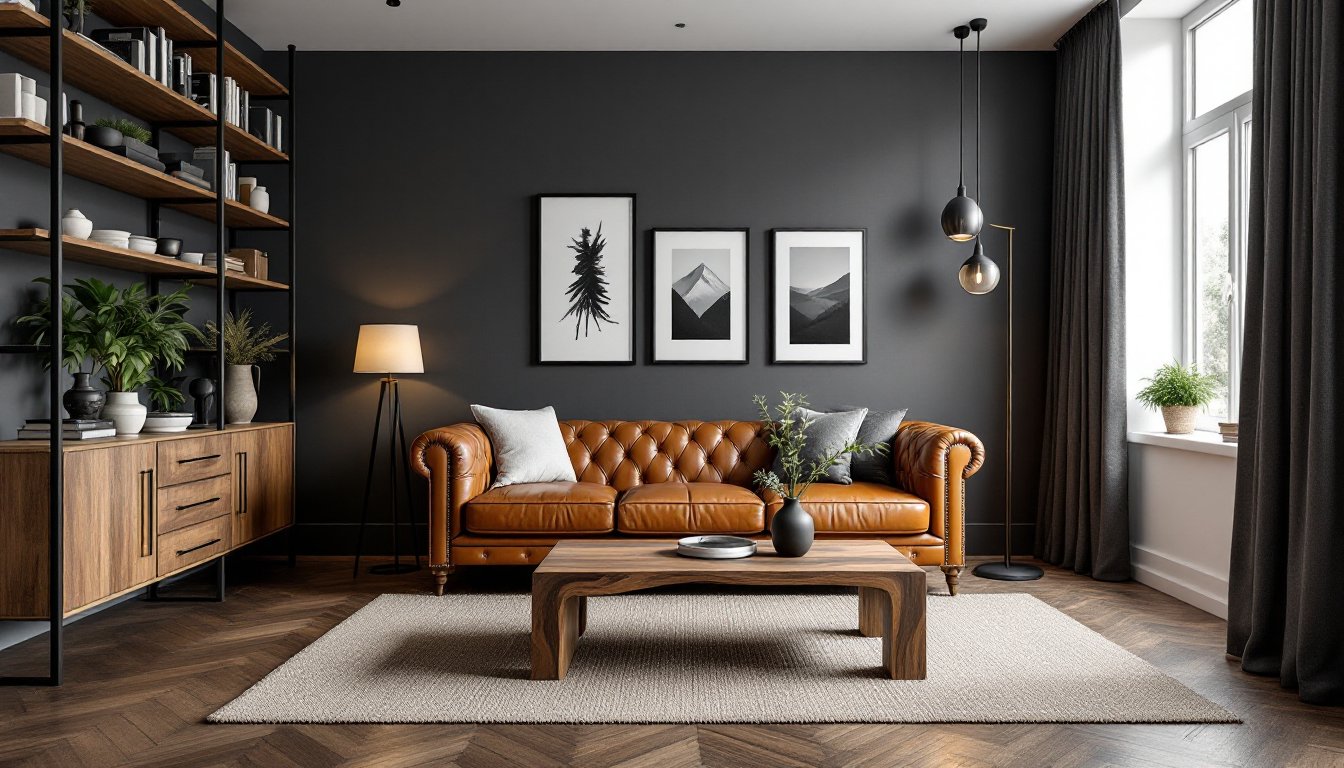

Masculine interior design isn’t about recreating a wood-paneled study from the 1970s. It’s about creating spaces with weight, intention, and a refined edge, places that feel grounded without being heavy, bold without being loud. The aesthetic leans into rich materials, deliberate color choices, and furniture with presence. For homeowners and DIYers looking to shift away from overly soft or minimal spaces, this style offers a framework that’s both timeless and adaptable, whether renovating a single room or rethinking an entire floor plan.
Key Takeaways
- Masculine interior design emphasizes restraint, solid materials, and intentionality—creating spaces that feel grounded and refined without being cold or overly ornate.
- A grounded color foundation of charcoal, navy, forest green, and warm earth tones sets the mood while matte finishes and warm-toned neutrals prevent sterile aesthetics.
- Tactile, honest materials like walnut wood, full-grain leather, steel fixtures, and concrete add depth and visual weight that separates intentional design from ordinary dark spaces.
- Substantial furniture with visible craftsmanship—mid-century modern pieces, industrial tables, and leather seating—anchors the space and ensures longevity over trends.
- Layered, intentional lighting with warm LEDs (2700K–3000K), task fixtures, and dimmer switches creates ambiance while functional accessories and proper cable management maintain visual clarity.
- Room-specific applications—from leather sofas in living rooms to matte black fixtures in bathrooms—prove masculine interior design adapts across every space when quality and function are prioritized.
What Defines Masculine Interior Design?
Masculine interior design is built on restraint, structure, and materiality. It favors clean lines over ornate details, prioritizes function alongside form, and uses texture and scale to create visual interest rather than relying on pattern or color variety.
Key characteristics include darker or muted color palettes, natural materials like wood, metal, and leather, and furnishings with visible craftsmanship. The style avoids unnecessary embellishment, no ruffles, excessive layering, or overly delicate pieces. Instead, it embraces what’s solid and enduring.
This doesn’t mean the space needs to feel cold or unwelcoming. Masculine design works best when it balances heft with warmth, think leather seating paired with soft wool throws, or exposed steel beams offset by reclaimed wood shelving. The goal is intentionality: every element should have a reason for being there, whether functional or aesthetic.
Essential Color Palettes for a Masculine Aesthetic
Color sets the foundation. Masculine interiors typically lean into deeper, grounded tones that create mood without overwhelming the senses.
Charcoal, navy, and forest green are go-to base colors. These work well on feature walls or as primary paint choices in spaces like home offices, dens, or bedrooms. When painting, opt for flat or matte finishes to reduce glare and enhance the richness of darker hues. Keep in mind that darker walls can make a room feel smaller, so balance them with lighter ceilings (off-white or warm gray) and adequate lighting.
Earth tones, ochre, rust, deep terracotta, and warm browns, add warmth without softening the overall aesthetic. These work especially well as accent colors in textiles, artwork, or smaller furnishings.
Neutral backbones like greige, taupe, and warm concrete gray provide flexibility. They let materials and textures do the heavy lifting while keeping the palette cohesive. Avoid cool grays, which can read sterile: warm-toned neutrals feel more grounded.
Accent sparingly with black or deep bronze in hardware, fixtures, and frames. These anchor the palette and add visual weight without requiring a lot of square footage.
Materials and Textures That Add Depth and Character
Masculine design depends heavily on tactile, honest materials. The texture is what separates a space that feels intentional from one that just looks dark.
Wood is foundational. Walnut, oak, and reclaimed pine bring warmth and grain variation. For DIYers, consider tongue-and-groove paneling or shiplap in actual wood (not MDF), especially on accent walls. Nominal 1×6 boards work well for this: remember actual dimensions are closer to ¾” x 5½”. Finish with a matte polyurethane or oil-based stain to preserve the grain without adding shine.
Metal accents, steel, iron, brass, and blackened bronze, add industrial or modern touches. Exposed shelving brackets, pipe-style curtain rods, and metal-framed mirrors are straightforward DIY upgrades. When installing floating shelves with metal brackets, make sure to anchor into wall studs (typically 16″ on center) to handle the load, especially for heavier materials like solid wood or stone.
Leather and suede bring softness with structure. Full-grain leather ages well and develops patina: bonded leather does not and will crack over time. For upholstery or accent pieces, look for top-grain or full-grain if budget allows.
Concrete and stone work well in smaller doses, concrete countertops, stone fireplace surrounds, or polished concrete floors. For DIYers considering a concrete overlay, know that surface prep is critical: the substrate must be clean, level, and properly primed to avoid delamination.
Textiles should be substantial. Wool, linen, and heavy cotton outperform synthetic blends in both durability and appearance. Avoid anything sheer or overly patterned.
Furniture Styles That Anchor the Look
Furniture in masculine interiors should feel substantial, functional, and well-proportioned. Avoid anything flimsy, overly ornate, or visually lightweight.
Mid-century modern pieces, especially those in walnut or teak with clean lines and tapered legs, fit naturally into this aesthetic. Look for case goods (dressers, credenzas, sideboards) with visible joinery like dovetails or mortise-and-tenon construction.
Industrial-style furniture works well in spaces with exposed brick, ductwork, or steel beams. Think metal-framed tables, pipe-leg desks, and factory-style stools. DIYers can build simple versions using black iron pipe fittings (available at most hardware stores) and hardwood or butcher block tops. Seal wood surfaces with polyurethane or hard wax oil to protect against moisture and wear.
Leather seating, especially in deep brown, cognac, or black, adds instant gravitas. Chesterfield sofas and club chairs are classic, but simpler designs work just as well. When reupholstering or selecting new pieces, check frame construction: kiln-dried hardwood frames (oak, maple, or ash) outlast softwood or engineered wood.
Oversized or statement pieces help define zones in open-plan layouts. A large sectional, an eight-foot dining table, or a floor-to-ceiling bookshelf can anchor a room without additional decor.
Avoid glass-top tables, spindly legs, or anything that feels temporary. Furniture should look like it could outlast the house.
Lighting and Accessories to Complete the Space
Lighting in masculine interiors should be layered, intentional, and free of frills. The goal is to create ambiance without relying on overhead floods.
Ambient lighting sets the mood. Consider installing dimmer switches on overhead fixtures: it’s a straightforward DIY upgrade that requires basic electrical skills and compliance with local codes (if replacing switches, turn off power at the breaker and verify with a non-contact voltage tester). Recessed lighting with warm white LEDs (2700K–3000K) works well in modern spaces.
Task lighting is functional and sculptural. Swing-arm wall sconces, architect lamps, and pendant lights over desks or kitchen islands add focused light without taking up floor space. For pendants, make sure the fixture is appropriately sized for the space, 12″ to 18″ diameter works for most kitchen islands, hung 30″ to 36″ above the counter.
Accent lighting highlights materials and textures. Picture lights, LED strip lighting under floating shelves, or up-lighting behind large plants can add depth. Install LED strips with aluminum channels for a cleaner finish and better heat dissipation.
As for accessories, less is more. A few well-chosen pieces, vintage cameras, framed black-and-white photography, sculptural objects, or a quality barware set, add personality without clutter. Avoid tchotchkes or anything overtly decorative. Functional items like a leather tray, a cast-iron bookend, or a waxed canvas storage bin can serve double duty.
Room-by-Room Application Tips
Living room: Start with a strong anchor piece, leather sofa or oversized sectional. Add a low-profile coffee table in wood or metal, and layer in texture with a wool or jute area rug. Keep window treatments simple: linen or blackout curtains in charcoal or warm gray. Avoid valances.
Bedroom: Use dark accent walls behind the bed (navy, charcoal, or deep green), and keep bedding simple, linen duvet covers in neutral tones, minimal pillows. Nightstands should be solid wood or metal: avoid particle board. If building a DIY headboard, use 1×6 or 1×8 planks mounted to a frame or directly to studs with construction adhesive and finish nails.
Home office: Prioritize function. A solid desk with ample surface area, ergonomic seating, and task lighting are non-negotiables. Floating shelves (anchored properly into studs) keep the floor clear and display books or equipment. Cable management matters, use cable raceways or desk grommets to avoid visual clutter.
Kitchen: If renovating, consider matte black or oil-rubbed bronze hardware, concrete or butcher block countertops, and open shelving with metal brackets. Subway tile in dark grout or large-format porcelain tiles (12″x24″ or larger) provide a clean backdrop. For backsplashes, consider stacked bond or herringbone patterns for added interest without fuss.
Bathroom: Go for matte black fixtures, large-format tiles, and minimal grout lines. Frameless glass shower enclosures, concrete or stone vanities, and simple mirror frames keep things sharp. Proper waterproofing and ventilation are critical, install an exhaust fan rated for the room’s square footage to prevent mold.
Conclusion
Masculine interior design is less about adhering to a rigid checklist and more about making deliberate choices with materials, color, and scale. Focus on quality over quantity, texture over pattern, and function alongside form. Whether installing wood paneling, swapping out light fixtures, or simply rethinking a color palette, the work pays off in spaces that feel grounded, intentional, and built to last.