
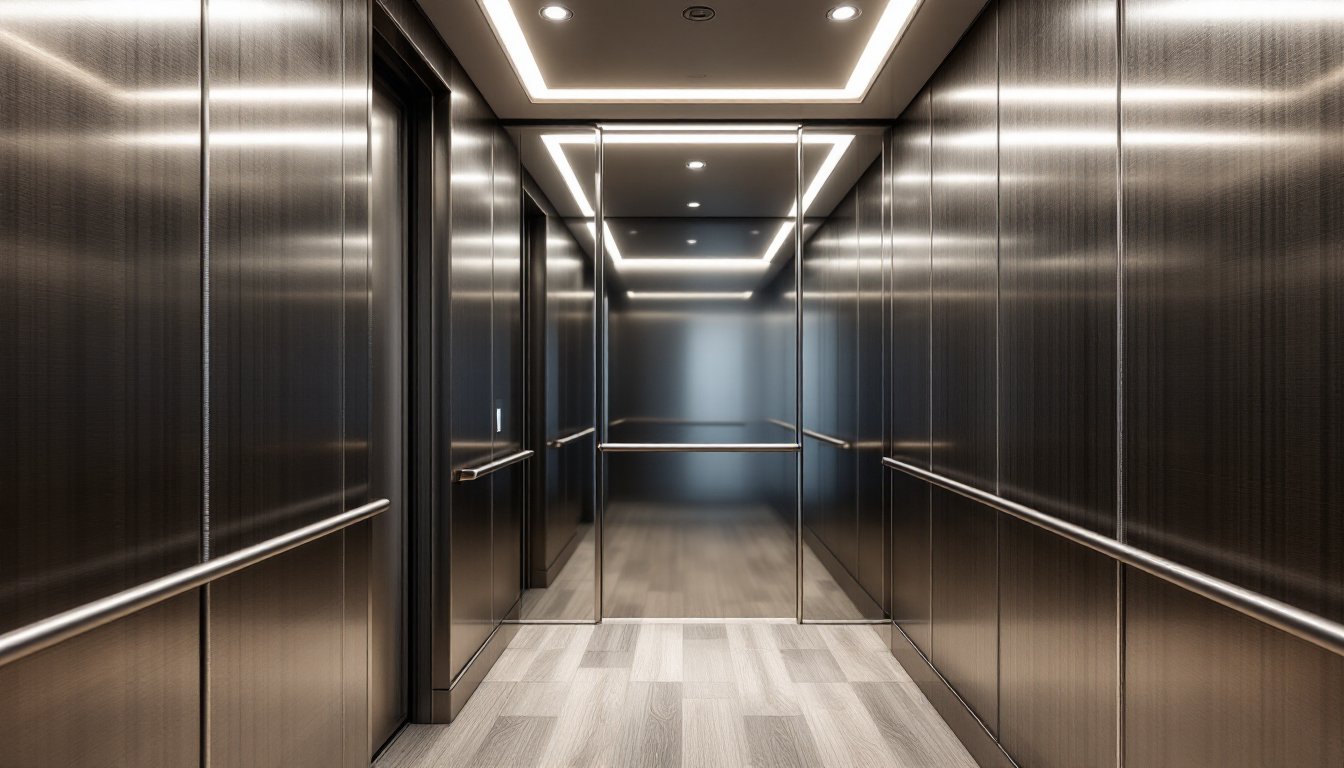

Elevator interiors are one of the most overlooked design opportunities in commercial and residential buildings. Passengers spend anywhere from a few seconds to several minutes inside these enclosed spaces, forming immediate impressions about a building’s quality and upkeep. A cramped, outdated elevator cab with flickering fluorescent lights and scuffed panels sends a very different message than one featuring clean lines, thoughtful lighting, and durable materials. In 2026, elevator interior design has evolved beyond basic functionality, it’s now a critical touchpoint for tenant satisfaction, property value, and building brand identity. Whether upgrading an existing cab or specifying finishes for new construction, the choices matter more than most building owners realize.
Key Takeaways
- Elevator interior design significantly impacts first impressions, property value, and tenant satisfaction—with passengers forming opinions in under seven seconds and encountering the space 1,200+ times annually.
- Modern elevator interior design balances durable, commercial-grade materials like stainless steel, bonded metal laminates, and luxury vinyl plank with thoughtful LED lighting and proper ventilation to reduce maintenance costs and downtime.
- Small elevator cabs feel larger with strategic use of mirrors, vertical design lines, light colors, and slim-profile LED panels that optimize perceived space without compromising safety or code compliance.
- Compliance with ASME A17.1 and ADA standards is non-negotiable—handrails must be slip-resistant, flooring requires a 0.6+ coefficient of friction, and all materials must meet fire ratings and weight restrictions confirmed by elevator engineers.
- Luxury residential and boutique hotels benefit from warmer finishes like wood veneers and dramatic lighting effects, while corporate, healthcare, and industrial facilities require low-maintenance, antimicrobial, or heavy-duty options tailored to their specific operational needs.
- Permits and certified elevator inspectors are required for any cab interior modifications—investing one grade higher in material quality from the start prevents costly repairs, downtime, and legal liability.
Why Elevator Interior Design Matters More Than You Think
First impressions form in under seven seconds, and for many buildings, the elevator is where that impression happens. A well-designed cab signals that ownership cares about details. A worn-out interior suggests neglect, even if the rest of the building is maintained.
Property value correlates directly with perceived quality. Commercial tenants touring office space notice elevator finishes. Residential buyers judge luxury buildings by lobby details, including elevator cabs. A dated interior can knock thousands off asking prices or push prospective tenants to competing properties.
Daily use amplifies the impact. In a ten-story building, tenants might encounter the elevator four to six times daily. That’s 1,200+ annual touchpoints per person. Poor lighting causes eye strain. Scuffed walls feel claustrophobic. Unpleasant odors linger in poorly ventilated cabs. Conversely, thoughtful design reduces stress and creates a subtle but measurable boost in occupant satisfaction.
Maintenance costs also factor in. Cheap wall panels dent easily, requiring frequent replacement. Budget flooring shows wear patterns within months. Investing in durable, commercial-grade materials upfront reduces long-term repair expenses and minimizes downtime for cosmetic fixes. Elevator downtime frustrates tenants and disrupts building operations, avoided entirely with the right material choices from the start.
Key Elements of Modern Elevator Interior Design
Materials and Finishes That Make a Statement
Wall panels anchor the visual identity. Stainless steel remains the workhorse choice, scratch-resistant, easy to clean, and available in brushed, mirror, or patterned finishes. For warmer aesthetics, bonded metal laminates (BML) replicate wood, stone, or custom graphics over a metal substrate. Unlike veneer, BML doesn’t warp or fade under humidity and UV exposure.
Real wood veneers suit high-end residential or boutique commercial buildings but require climate control and UV-resistant topcoats. Expect cherry, walnut, or white oak in rift-cut or quarter-sawn patterns. Budget at least 30% more than laminate equivalents.
Glass panels add visual depth. Back-painted glass in custom colors, frosted patterns, or even digitally printed imagery can transform a standard cab. Tempered safety glass is non-negotiable: code requires impact resistance in occupied spaces.
Flooring endures the heaviest abuse. Rubber tile offers slip resistance and sound dampening, critical in residential buildings. Sheet vinyl works for moderate traffic but shows scuff marks faster. Porcelain tile or luxury vinyl plank (LVP) handle high traffic in commercial applications, though tile adds weight (confirm load ratings with the elevator engineer). Avoid carpet in cabs: it traps moisture, odors, and stains.
Ceiling panels in powder-coated steel or aluminum conceal HVAC vents and lighting. Acoustic tiles reduce echo in larger cabs but require moisture-resistant backings to prevent sagging.
Lighting Design for Ambiance and Safety
Lighting does double duty: it must meet code-mandated illumination levels (typically 5 foot-candles minimum per ASME A17.1) while setting the right mood. Harsh overhead fluorescents create glare and unflattering shadows. LED panels have become the standard, longer lifespan (50,000+ hours), lower energy draw, and color temperature control.
Warm white LEDs (2700K–3000K) feel inviting in residential buildings. Neutral white (3500K–4000K) suits office environments. Avoid cool white (5000K+) unless the building has a clinical or ultra-modern aesthetic.
Cove lighting, LEDs installed behind trim or ceiling edges, creates indirect illumination that reduces harsh shadows and makes small cabs feel larger. Pair with a central downlight for balanced coverage.
Backlit panels transform walls or ceilings into light sources. Frosted acrylic or glass panels with edge-lit LEDs provide even distribution without visible bulbs or fixtures. Dimming controls adjust brightness for day versus evening use, though they add complexity to the control system.
Emergency lighting must activate during power failures. Battery-backup LED fixtures ensure code compliance and passenger safety without the bulk of older incandescent emergency units.
Popular Elevator Interior Design Styles for Every Building Type
Corporate/Office Buildings: Clean, professional, low-maintenance. Brushed stainless steel walls, neutral LVP flooring, and recessed LED panels. Accent walls in the building’s brand colors (using BML or back-painted glass) reinforce identity without overwhelming the space.
Luxury Residential: Warmth and sophistication. Wood veneer paneling, mirrored accent walls, marble-look porcelain tile, and cove lighting. Handrails in brushed brass or oil-rubbed bronze add tactile detail. Avoid trendy finishes that date quickly: classic materials hold value longer.
Boutique Hotels: Statement-makers. Custom-printed glass panels, dramatic lighting effects, textured metal finishes, or even wallcoverings (vinyl-backed and flame-rated). These cabs double as Instagram backdrops, design with visual interest in mind.
Healthcare Facilities: Hygiene and accessibility first. Seamless sheet flooring (no grout lines to harbor bacteria), antimicrobial wall coatings, bright neutral lighting, and contrasting handrails for low-vision passengers. Comply with ADA and local health codes: inspectors scrutinize elevators during facility reviews.
Industrial/Warehouse: Durability over aesthetics. Heavy-duty rubber flooring, stainless steel kick plates extending 12–18 inches up the wall, and impact-resistant panels. Bright LED overhead lighting ensures visibility when moving equipment.
Smart Design Solutions for Small Elevator Spaces
Small cabs, common in older buildings or residential retrofits, feel cramped without thoughtful intervention. Mirrors expand perceived space but require careful placement. A full mirror on the back wall doubles visual depth. Avoid mirrors on side walls facing each other (creates infinite reflections that disorient passengers).
Vertical lines draw the eye upward, making low ceilings feel taller. Narrow wood grain patterns, vertical metal channels, or floor-to-ceiling paneling all create the illusion of height.
Light colors reflect more lumens than dark tones. White, cream, or light gray wall panels brighten tight spaces. Pair with LED cove lighting along the ceiling perimeter to eliminate dark corners.
Minimize visual clutter. Flush-mounted control panels, concealed handrails integrated into wall panels, and recessed lighting fixtures all reduce the number of protruding elements that fragment sight lines.
Glass panels on one wall (adjacent to the door, never behind passengers’ backs) borrow visual space from the surrounding shaft or lobby. Requires shaft wall finishes visible through the glass to be intentional, exposed concrete or brick can look industrial-chic if executed well.
Skip bulky ceiling-mounted fixtures. Slim-profile LED panels (under 2 inches thick) preserve headroom while delivering required illumination.
Balancing Aesthetics with Safety and Accessibility Standards
Design choices can’t override code requirements. ASME A17.1 (Safety Code for Elevators and Escalators) and ADA Standards for Accessible Design govern everything from lighting levels to handrail height.
Handrails must mount 32–38 inches above the floor and provide 1.5 inches of clearance from the wall. Diameter between 1.25–2 inches ensures grippability. Materials must be slip-resistant: avoid polished metal that becomes slick when wet.
Flooring slip resistance is critical. Specify materials with a coefficient of friction (COF) of 0.6 or higher for level surfaces. Rubber and textured LVP typically meet this threshold: polished stone does not.
Lighting uniformity prevents dark zones where passengers could trip. ASME requires even distribution without shadows exceeding a 10:1 ratio between brightest and dimmest areas.
Tactile and visual contrast aids passengers with low vision. Control buttons need raised characters and Braille per ADA. Handrails should contrast with wall color (e.g., dark handrail on light wall).
Fire ratings matter for wall and ceiling materials. Many jurisdictions require Class A or Class 1 flame spread ratings (per ASTM E84). Confirm compliance before specifying wood veneers, wallcoverings, or decorative panels.
Weight limits constrain material choices. Adding stone tile or heavy glass panels increases cab weight, reducing passenger/freight capacity. Coordinate with the elevator engineer to ensure the hoisting system can handle additional load without recertification.
Ventilation codes vary, but ASME recommends 5% of cab floor area as minimum ventilation opening size. Decorative ceiling panels can’t block required airflow. If the design closes off existing vents, add compensating openings elsewhere.
Permits and inspections apply when altering elevator cabs. Most jurisdictions classify interior upgrades as modifications requiring permits and post-work inspections by certified elevator inspectors. Budget time and cost accordingly. Unlicensed contractors can’t legally work on elevators in most states, hire certified elevator mechanics or interior contractors with elevator-specific credentials. Cutting corners here risks fines, failed inspections, and liability if equipment malfunctions.
The sweet spot? Durable materials that meet all codes while delivering the desired aesthetic. Stainless steel, BML, commercial-grade rubber or LVP, tempered glass, and LED lighting check all boxes. When in doubt, specify materials one grade higher than minimum requirements, they’ll outlast cheaper alternatives and maintain appearance through years of daily use.