
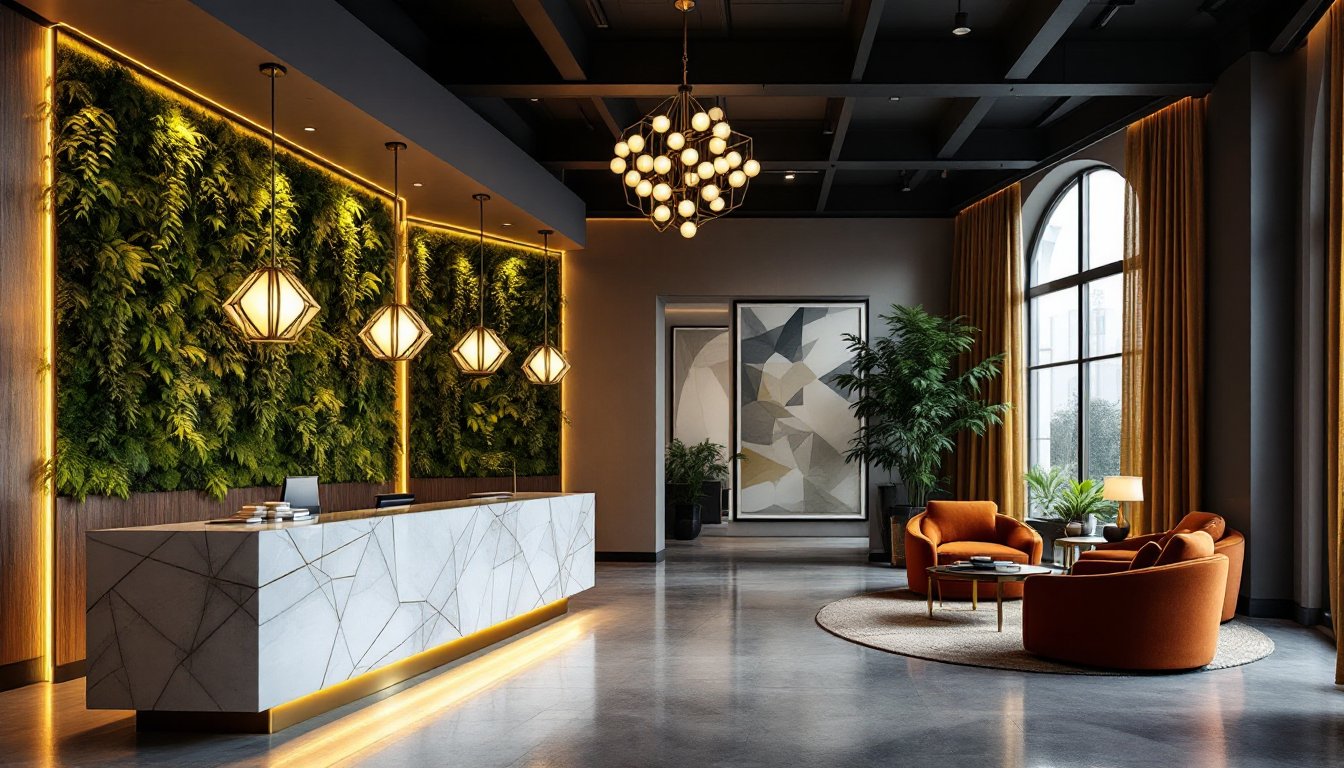

Commercial and hospitality interior design isn’t about making a lobby look pretty, it’s about engineering an experience that keeps guests coming back and employees working efficiently. Whether it’s a boutique hotel, a bustling restaurant, or a corporate office reception area, every material choice, lighting fixture, and furniture layout serves a business goal. Unlike residential design, which prioritizes personal comfort, commercial spaces must balance brand identity, code compliance, durability under heavy traffic, and return on investment. The stakes are higher, the budgets are tighter, and the margin for error is slim. This guide walks through the core principles, current trends, and material considerations that separate amateur attempts from professional-grade hospitality interiors.
Key Takeaways
- Commercial and hospitality interior design prioritizes durability, code compliance, and brand identity over personal aesthetics, requiring Class A fire-rated materials and ADA-compliant accessibility standards.
- High-traffic hospitality spaces demand premium-grade materials like porcelain tile with PEI ratings of 4–5, commercial-grade carpet at 5,000+ stitches per square foot, and upholstery rated for 100,000+ double rubs to withstand daily wear.
- Strategic lighting layers, color psychology (blues and greens reduce perceived wait times by 15%), and thoughtful reception desk placement create memorable first impressions that drive guest retention.
- Wellness-centered design, biophilic elements, and local storytelling are shaping 2026 hospitality trends, helping properties differentiate from generic chains while meeting post-pandemic guest expectations.
- Flexible, multi-use spaces with modular furniture, operable partitions, and abundant power access maximize ROI by adapting to diverse guest needs throughout the day.
- Material selection—from quartz countertops resistant to staining, to FR-rated drapery and wipeable wall finishes—must withstand repeated cleaning with commercial-grade chemicals while maintaining visual appeal.
What Makes Commercial and Hospitality Design Different?
The fundamental difference is durability and code compliance. Residential designers can spec a gorgeous silk wallcovering: hospitality designers need Class A fire-rated materials that meet International Building Code (IBC) flame-spread requirements. Every surface, from upholstery to drapery to wall finishes, faces strict fire safety standards, especially in assembly occupancies.
Traffic volume changes everything. A hotel lobby might see 500+ people daily. That means flooring needs a PEI rating of 4 or 5 (for porcelain tile), commercial-grade carpet with high tuft density (minimum 5,000 stitches per square foot), or luxury vinyl tile (LVT) rated for heavy commercial use. Residential-grade materials will show wear in months, not years.
Accessibility isn’t optional. ADA compliance dictates clear floor space at reception desks (30″ x 48″ minimum), counter heights (28″–34″ for accessible surfaces), door hardware (lever handles, not knobs), and tactile signage. Restaurants must provide accessible seating and restroom facilities. Failing an accessibility audit can mean costly retrofits and legal liability.
Maintenance and cleaning protocols differ radically. Hospitality spaces get cleaned daily with commercial-grade chemicals. Finishes must withstand bleach-based disinfectants, high-speed floor buffers, and frequent wet mopping. That rules out unsealed natural stone in high-traffic areas and delicate fabric treatments.
Brand consistency matters. A hotel chain’s design must reflect corporate standards while adapting to local architecture and culture. Every franchise location needs recognizable elements, signature colors, lighting styles, furniture silhouettes, that reinforce brand identity without feeling like a cookie-cutter copy.
Key Design Principles for High-Impact Hospitality Spaces
Creating Memorable First Impressions
The first 15 feet inside the entrance set the tone. Designers call this the “decompression zone”, the transition from public sidewalk to private hospitality space. Successful entries use a combination of lighting shifts (dimmer, warmer light than exterior), material changes (hard exterior flooring transitioning to carpet or wood-look tile), and sensory cues (signature scent, curated music, visual focal points).
Ceiling height and volume play outsized roles. A double-height lobby with a statement chandelier or sculptural installation signals luxury and spaciousness. Budget projects can fake this with strategic lighting, uplighting on textured walls, cove lighting that draws eyes upward, or suspended linear fixtures that create vertical interest.
Reception desk placement is tactical. It should be visible within three seconds of entry but not obstruct sightlines to the rest of the space. Avoid putting desks directly opposite the entrance, which creates a confrontational “checkpoint” feel. Angling the desk 15–30 degrees or placing it slightly off-center improves flow and feels more welcoming.
Color psychology isn’t New Age nonsense, it’s measurable. Blues and greens reduce perceived wait times in lobbies by up to 15% (studies from environmental psychology research). Warm earth tones (terracotta, ochre, warm grays) increase dwell time in restaurants and bars. High-contrast accent walls create Instagram moments that function as free marketing.
Balancing Aesthetics with Functionality
Every design decision must answer: Can staff maintain this, and will it survive guest abuse? That hand-painted mural behind the bar looks stunning until someone leans a wet glass against it. Specify scrubbable acrylic or urethane topcoats over decorative finishes in high-contact zones.
Furniture must be commercial-grade, which means:
- Solid hardwood or metal frames (not particleboard or MDF)
- Double-doweled joinery with corner blocks
- High-resiliency foam (minimum 1.8 lb density) with reinforced seat decks
- Cleanable upholstery with Crypton, Sunbrella, or vinyl-backed fabrics rated for 100,000+ double rubs (Wyzenbeek abrasion test)
Lighting layers create flexibility. Hospitality spaces need ambient lighting (recessed LEDs, cove lighting), task lighting (reading lights in guest rooms, pendant lights over dining tables), and accent lighting (track lights on artwork, LED strips highlighting architectural details). Dimming controls are non-negotiable, they let a breakfast café transform into an evening wine bar without changing a single fixture.
Acoustics often get ignored until opening night, when a beautiful tile-and-glass dining room becomes an echoing nightmare. Target 0.5–0.7 seconds of reverberation time in dining areas. Solutions include acoustic ceiling tiles (NRC rating of 0.70+), upholstered wall panels, heavy drapery, and area rugs. Open-cell spray foam in ceilings works for new construction.
Popular Design Trends Shaping Hospitality Interiors in 2026
Biophilic design continues to dominate. Living green walls, preserved moss panels, reclaimed wood ceiling treatments, and natural stone accent walls bring the outdoors in. But maintenance is real, living walls need irrigation systems, grow lights, and monthly horticultural service. Preserved moss (chemically treated to stay green without water) offers a lower-maintenance alternative.
Maximalism is back, especially in boutique hotels and independent restaurants. Think bold wallcoverings (oversized florals, geometric patterns, custom murals), mixed metal finishes (brass + matte black + brushed nickel in the same space), and layered textiles. The key is controlled chaos, a unifying color palette or repeated motif keeps it from looking like a thrift store exploded.
Wellness-centered design responds to post-pandemic priorities. Circadian lighting systems (LEDs that shift color temperature throughout the day), improved HVAC with MERV 13+ filtration, touchless fixtures, and antimicrobial surface treatments (copper-infused fabrics, photocatalytic tile coatings) are standard in upscale properties.
Local sourcing and storytelling differentiate generic chains from memorable independents. Furniture from regional craftspeople, art from local galleries, materials that reference regional architecture, limestone in Texas Hill Country properties, reclaimed barn wood in Vermont inns, terrazzo with local aggregate in Florida projects. Guests want to feel a sense of place, not like they’re in an airport hotel that could be anywhere.
Flexible, multi-use spaces maximize ROI. A lobby that functions as co-working space by day and cocktail lounge by night. Modular furniture on locking casters. Movable partitions (not flimsy accordion doors, invest in operable walls with STC ratings of 45+ for real sound isolation). Power and data access everywhere, not just at fixed desks.
Choosing the Right Materials and Finishes for Durability
Flooring takes the most abuse. For hotel corridors and restaurant dining areas, luxury vinyl plank (LVP) with a 20-mil wear layer offers realistic wood or stone looks with superior stain and scratch resistance. Porcelain tile works in wet areas (kitchen prep zones, bar areas) but needs slip-resistant finishes (DCOF rating of 0.42+ per ANSI A137.1). Carpet in guest rooms should be nylon (not polyester), with stain treatments like Scotchgard or R2X, and a density of 3,500+ face weight.
Wall finishes must be wipeable. Type II commercial wallcovering (vinyl-coated or solid vinyl) withstands repeated cleaning. Paintable textured wallcovering hides wall imperfections and adds subtle depth. For paint, use eggshell or satin sheens (flat shows every scuff: semi-gloss looks institutional). Specify low-VOC or zero-VOC paints to avoid offgassing complaints and meet LEED standards.
Countertops and bar tops need damage resistance. Quartz (Caesarstone, Silestone) offers consistent color, non-porous surfaces, and scratch resistance. Porcelain slabs (Dekton, Neolith) handle heat and UV exposure better than quartz, ideal for outdoor bars or sunlit reception desks. Avoid marble in heavy-use areas, it etches from acidic spills (wine, citrus) and stains easily.
Hardware and fixtures should be solid brass or stainless steel, not plated zinc alloy that wears through in 18 months. Specify commercial-grade door closers and continuous hinges (piano hinges) on high-traffic doors. Plumbing fixtures need ceramic disc valves, not compression valves that drip after a year.
Upholstery and drapery fabrics must meet NFPA 701 (flame resistance for drapery) or be inherently flame-resistant (FR). Solution-dyed acrylic (Sunbrella) and FR polyester blends hold up to UV exposure and cleaning. Always request memo samples and test them with the actual cleaning products the maintenance team will use, some “cleanable” fabrics discolor with bleach-based disinfectants.
Conclusion
Commercial and hospitality design demands more than an eye for aesthetics, it requires understanding codes, anticipating wear patterns, and balancing guest experience with operational realities. The best spaces don’t just look good on Instagram: they perform reliably under heavy use, support staff efficiency, and deliver measurable business results. Whether renovating a tired hotel lobby or designing a new restaurant from the ground up, the principles remain: durability, compliance, brand alignment, and an unwavering focus on the guest experience.