
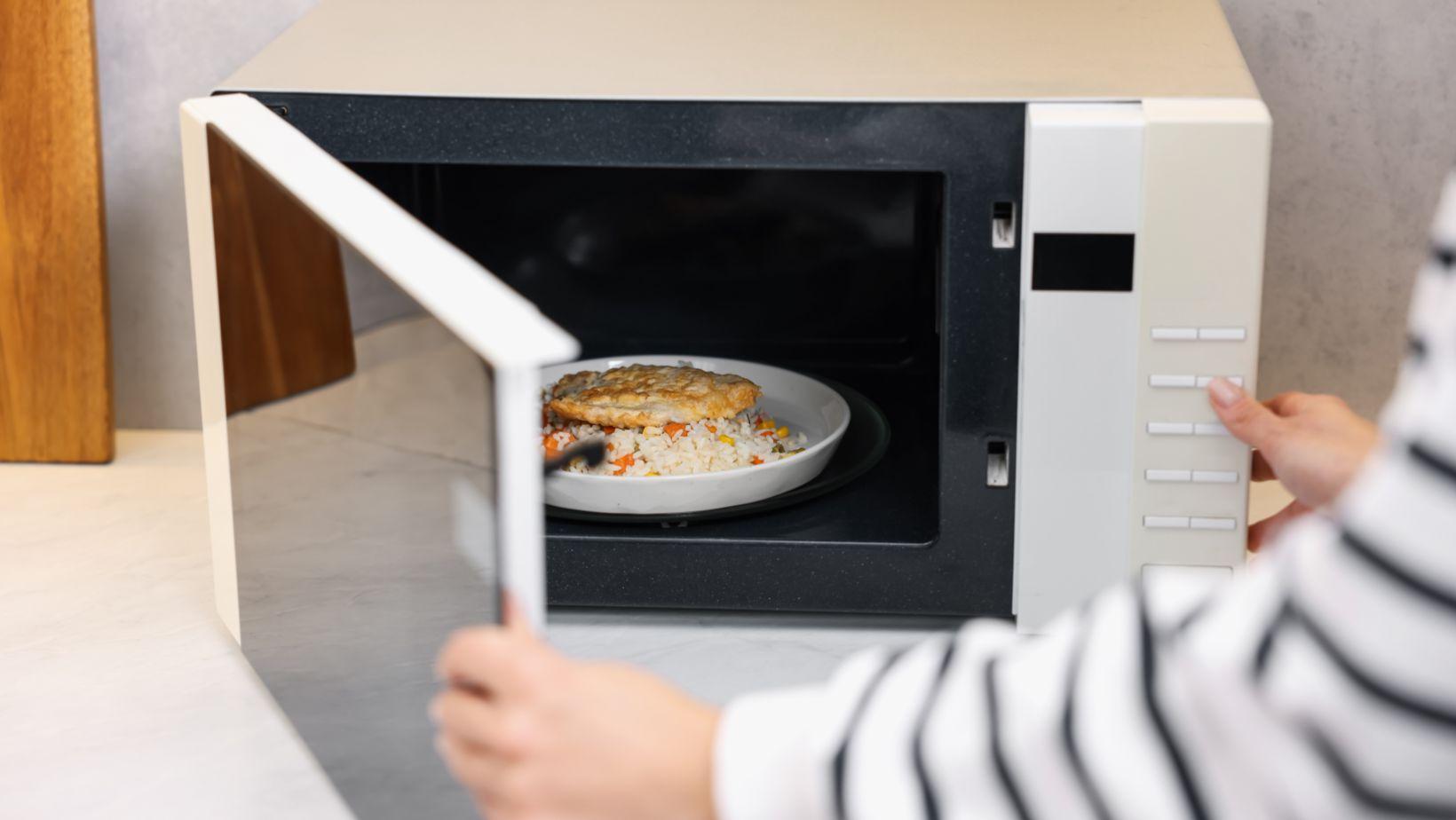

A microwave is one of those appliances that is easy to take for granted until it suddenly stops working. A failed heating cycle, broken turntable or unresponsive control panel can quickly disrupt everyday routines. Some problems have simple causes, but others involve internal electrical components that require proper testing. For anyone searching for “microwave repair near me,” knowing when basic troubleshooting ends and professional diagnostics should begin can prevent further damage and unnecessary safety risks.
Microwave Runs but Doesn’t Heat Food
A microwave that runs normally but leaves food cold has not necessarily suffered a complete breakdown. The light, fan and turntable may continue working while the heating circuit has developed a fault.
Possible causes include:
- defective magnetron;
- damaged high-voltage diode or capacitor;
- transformer failure;
- faulty door switch;
- problems with the control board or wiring.
These components cannot be assessed reliably by simply observing the appliance. Proper diagnostics help identify the failed part instead of replacing components through trial and error.
Turntable, Door, and Control Problems
Mechanical and electronic faults can also affect microwave operation even when the heating function still works. A turntable may stop because of a worn motor, damaged coupling or control issue. Door problems deserve particular attention because safety interlock switches must operate correctly before the microwave can run.
Other common symptoms include:
- buttons that stop responding;
- a blank or flickering display;
- incorrect error codes;
- intermittent operation;
- a door that does not close or register correctly.
These symptoms can originate from different components, so treating the visible problem alone may not solve the underlying fault.
Unusual Noises, Sparks, or Burning Smells
Sparks, smoke, crackling noises or a persistent burning smell should never be treated as normal microwave behaviour. In some cases, sparking is caused by metal objects or food residue inside the cavity. It can also point to damaged internal components or surfaces.
If unusual symptoms continue, the safest option is to stop using the appliance. Running a microwave with an electrical or overheating fault can turn a relatively contained problem into a more serious failure.
Why Microwave DIY Repair Can Be Dangerous
Microwave repair carries risks that are easy to underestimate. High-voltage components can retain a dangerous electrical charge even after the appliance has been unplugged. The capacitor is particularly important in this respect.
For that reason, removing the cabinet to inspect internal parts is not a routine DIY task. Incorrect handling can result in electric shock, damaged components or compromised safety mechanisms.
Simple external checks are reasonable. A user can verify the outlet, inspect the power cord, remove food residue and check whether the door closes properly. Internal electrical repairs should be left to qualified technicians.
When Professional Microwave Repair Is Worth Considering
Repairing a microwave can make sense when the appliance is relatively modern, otherwise reliable and affected by one identifiable fault. Replacement may be more practical when the unit is old, has several problems or requires expensive components.
The decision usually depends on:
- the microwave’s age and general condition;
- the complexity of the failure;
- the estimated repair cost;
- availability and price of replacement parts;
- the cost of purchasing a suitable new appliance.
Professional diagnostics can provide a clearer answer before money is spent on unnecessary parts. FixMaster’s appliance service model focuses on diagnosing faults, providing estimates and testing repaired equipment. Its service offering also highlights local technicians and same-day diagnostics in the areas it serves.
Microwave problems range from simple mechanical failures to faults involving high-voltage components. A turntable that stops rotating or a faulty button may require a different solution from a microwave that runs without heating, sparks or produces a burning smell. Basic external checks can rule out obvious causes, but internal repairs should not be approached casually because dangerous electrical charges may remain after unplugging. For those looking for “microwave repair near me,” professional diagnostics offer a safer way to determine the actual fault, assess whether repair is economically sensible and restore the appliance without compromising its safety systems.