
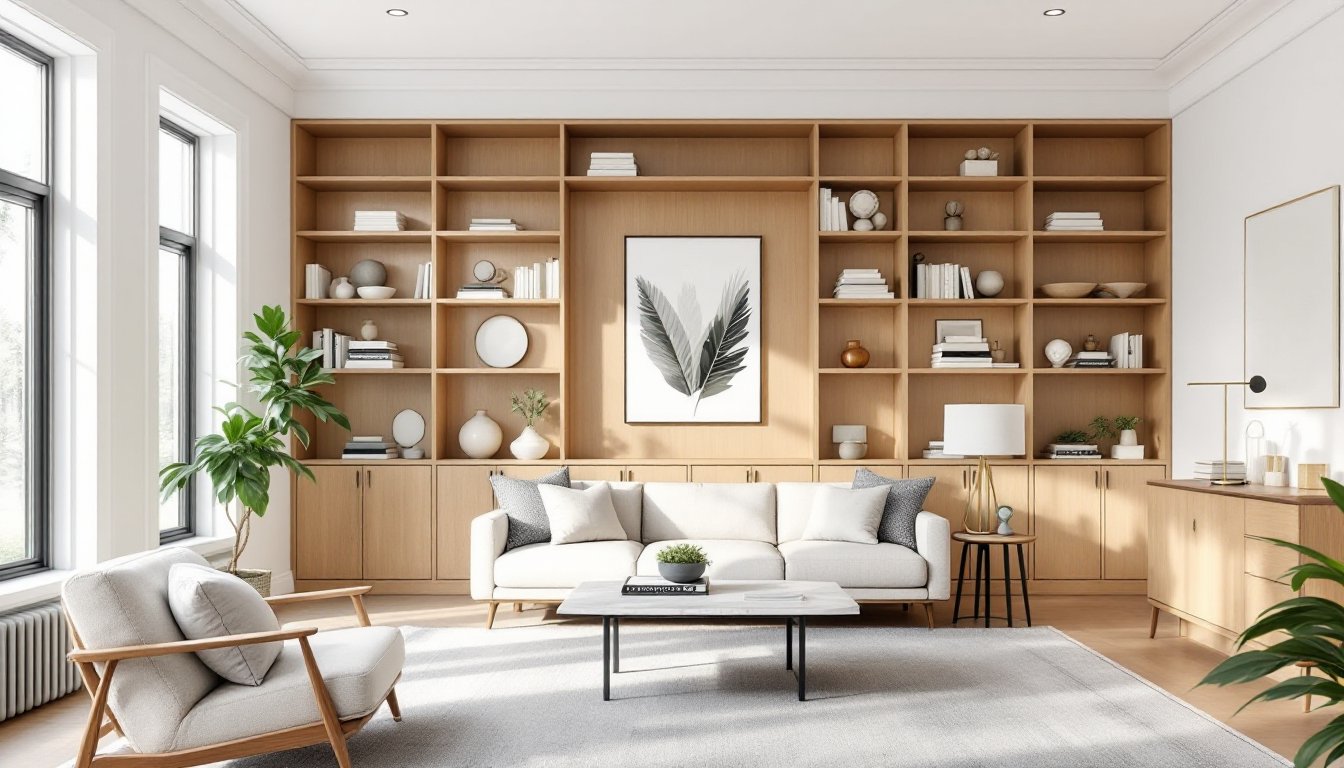

Award-winning interior design isn’t reserved for celebrity homes and luxury hotels. Behind every design competition winner lies a set of strategic decisions about proportion, materiality, and function that any homeowner can apply. Designers who take home trophies from organizations like the American Society of Interior Designers (ASID) or the International Interior Design Association (IIDA) share common principles: they solve problems beautifully, honor the architecture, and balance innovation with livability. Understanding what judges look for, and why certain spaces rise above the rest, gives DIYers and renovators a practical roadmap for creating interiors that feel considered, cohesive, and genuinely impressive.
Key Takeaways
- Award-winning interior design prioritizes purposeful problem-solving, material quality, and cohesive vision over trend-chasing and aesthetic decoration.
- Exceptional spatial planning—including built-ins, flexible zones, and smart use of vertical space—separates competent design from award-level interiors that maximize functionality without crowding.
- Material selection and craftsmanship matter critically; award winners specify products based on performance and longevity, with meticulous attention to details like grout lines, miter joints, and texture layering.
- Develop a focused material palette with three primary materials before purchasing, invest in fewer high-quality pieces rather than budget options, and address invisible prep work to ensure results match award-winning interior design standards.
- Top competitions like ASID, IIDA, and Architizer reward intention, innovation within constraints, and spaces that demonstrate deep understanding of construction, materials, and how inhabitants actually live.
What Makes Interior Design Award-Worthy?
Judges evaluate submissions on criteria that go beyond aesthetics. A space earns recognition when it demonstrates purposeful problem-solving, contextual awareness, and craft-level execution. The design must respond to the client’s specific needs, whether that’s a multigenerational household, a tight urban footprint, or accessibility requirements, while respecting the building’s existing character.
Award-worthy interiors show restraint. They avoid trend-chasing in favor of timeless material choices and proportional relationships that will hold up years after installation. Judges notice when a designer specifies quarter-sawn white oak instead of laminate, when tile layout follows the room’s geometry rather than a grid imposed arbitrarily, or when lighting serves both task and ambient needs without visual clutter.
Another hallmark: the design tells a coherent story. Materials, colors, and detailing should reinforce a single concept rather than pulling in multiple directions. A mid-century modern living room doesn’t benefit from farmhouse shiplap, and a coastal scheme shouldn’t include rustic barn beams. Judges penalize spaces that look like a Pinterest board collage rather than a unified vision.
Finally, award winners demonstrate innovation within constraints. That might mean adaptive reuse of salvaged materials, creative solutions for awkward floor plans, or integrating smart home systems without sacrificing architectural integrity. The projects that stand out solve real challenges in ways that feel fresh but not gimmicky.
Key Elements That Define Award Winning Interior Design
Innovative Use of Space and Functionality
Top-tier interiors maximize every square foot without making rooms feel cramped or over-designed. Judges look for thoughtful spatial planning: furniture scaled to the room, traffic flow that doesn’t force awkward navigation, and zones that support how people actually live.
Built-ins often separate good design from great. A window seat with hidden storage, a floor-to-ceiling bookcase that doubles as a room divider, or a mudroom bench with integrated cubbies and coat hooks shows intentionality. These elements should feel integral to the architecture, not like afterthoughts screwed to the wall.
Flexibility matters, especially in homes where rooms serve multiple purposes. A guest room that converts to a home office, a kitchen island with seating on two sides, or pocket doors that open spaces when needed all demonstrate forward-thinking design. Award-winning projects anticipate how inhabitants will use the space over time, not just on move-in day.
Vertical space counts too. Designers who capitalize on ceiling height, via tall cabinetry, picture rails, or strategically placed uplighting, create visual interest and functional storage simultaneously. Dropped soffits and tray ceilings, when used sparingly, can define zones without walls.
Exceptional Material Selection and Craftsmanship
Material choices reveal a designer’s depth of knowledge. Award winners specify products based on performance, longevity, and appropriateness to the application, not just appearance. That means porcelain tile in wet areas (not porous marble without proper sealing), solid hardwood where it can acclimate properly, and engineered wood or luxury vinyl plank in basements prone to moisture.
Craftsmanship shows in the details: tight miter joints on crown molding, consistent grout lines (typically 1/16″ for rectified tile, 1/8″ for natural stone), and cabinet doors aligned within 1/16″ across all reveals. Judges notice when backsplash tile dies into a window casing cleanly versus ending with a jarring cut piece.
Texture layering separates competent design from award-level work. Pairing matte cabinetry with honed marble countertops and brushed brass hardware creates tactile richness without visual chaos. Mixing too many finishes, polished chrome, oil-rubbed bronze, and satin nickel in one kitchen, reads as indecisive rather than curated.
Authenticity in material use matters. Exposed ceiling joists should be actual structural members, not decorative faux beams. Shiplap should be installed with proper reveals and fastening, not as peel-and-stick panels. Judges can spot shortcuts, and they rarely reward them.
How to Incorporate Award Winning Design Principles Into Your Home
Start with an honest assessment of the space’s existing assets and liabilities. What architectural features deserve emphasis, original hardwood floors, tall windows, vintage tile? What needs correction, poor lighting, awkward door swings, outdated HVAC vents in prominent locations? Award-level design enhances strengths and mitigates weaknesses rather than fighting the bones of the house.
Develop a material palette before purchasing anything. Choose three primary materials (e.g., white oak, matte black metal, natural linen) and limit accent materials to two or three more. This discipline prevents the visual fragmentation that sinks many DIY projects. Collect samples and view them together in the actual space, under both natural and artificial light, before committing.
Invest in fewer, better-quality pieces rather than filling every corner with budget options. One solid wood dining table will outlast and outperform three particleboard replacements. High-quality window treatments, real wood blinds or lined linen drapes, not plastic miniblinds, elevate the entire room. Focus budget on elements that take the most abuse: flooring, countertops, upholstered seating.
Pay attention to proportion and scale. Furniture should relate to the room size and ceiling height. A sectional that works in a 16′ × 20′ great room will overwhelm a 12′ × 14′ living room. Artwork should fill two-thirds to three-quarters of the wall space above a sofa, not float like a postage stamp. Area rugs in living areas should extend at least 18-24 inches beyond the furniture footprint on all sides.
Lighting deserves its own budget line. Layer ambient, task, and accent lighting in every room. That means overhead fixtures (recessed cans on a dimmer, a statement pendant, or a flush-mount), task lights where needed (under-cabinet strips, swing-arm sconces by the bed), and accent lighting to highlight art or architecture. Avoid the single-ceiling-fixture trap, it flattens the space and creates harsh shadows.
Don’t skip the prep work. Walls should be patched, primed, and painted with at least two coats before any finish work happens. Floors need proper underlayment. Tile substrates must be level and stable. The difference between good and great often comes down to the invisible work done before the finishes go in.
Top Interior Design Awards and What They Look For
The ASID Design Excellence Awards evaluate residential, commercial, and healthcare projects based on design concept, execution, and innovation. Judges, practicing designers and industry experts, prioritize spaces that balance aesthetics with functionality and demonstrate mastery of materials and detailing. Submissions require professional photography and detailed project narratives explaining design challenges and solutions.
IIDA Interior Design Competition focuses on innovation, sustainability, and social impact. Projects are judged on how well they serve users, integrate sustainable practices, and push design boundaries. Categories span workplace, hospitality, residential, and public spaces. Winners typically showcase creative use of reclaimed materials, energy-efficient systems, or inclusive design strategies.
The Architizer A+ Awards include interior architecture categories that celebrate spatial innovation. Judges, architects, developers, and design journalists, look for projects that redefine how people interact with interior environments. Winning submissions often feature bold structural interventions, unexpected material applications, or adaptive reuse projects.
Elle Decor International Design Awards (EDIDA) recognize both professional designers and specific products. The residential categories emphasize luxury and craftsmanship, rewarding spaces with exceptional material quality, bespoke furnishings, and artisanal details. Photography and presentation quality weigh heavily in the judging process.
What all these competitions share: they reward intention over decoration. A project must demonstrate why every choice was made, how it serves the inhabitants, and what makes it more than a collection of pretty finishes. Judges can identify when a designer has a deep understanding of materials, construction methods, and human behavior, and when someone is just styling a room.
Conclusion
Award-winning interior design boils down to informed choices executed with precision. It’s less about chasing trends and more about understanding proportion, materiality, and how spaces support daily life. Homeowners willing to invest time in planning, prioritize quality over quantity, and respect their home’s architectural context can create interiors that reflect the same principles judges reward. The work requires patience and attention to detail, but the result is a space that feels intentional, cohesive, and built to last.