
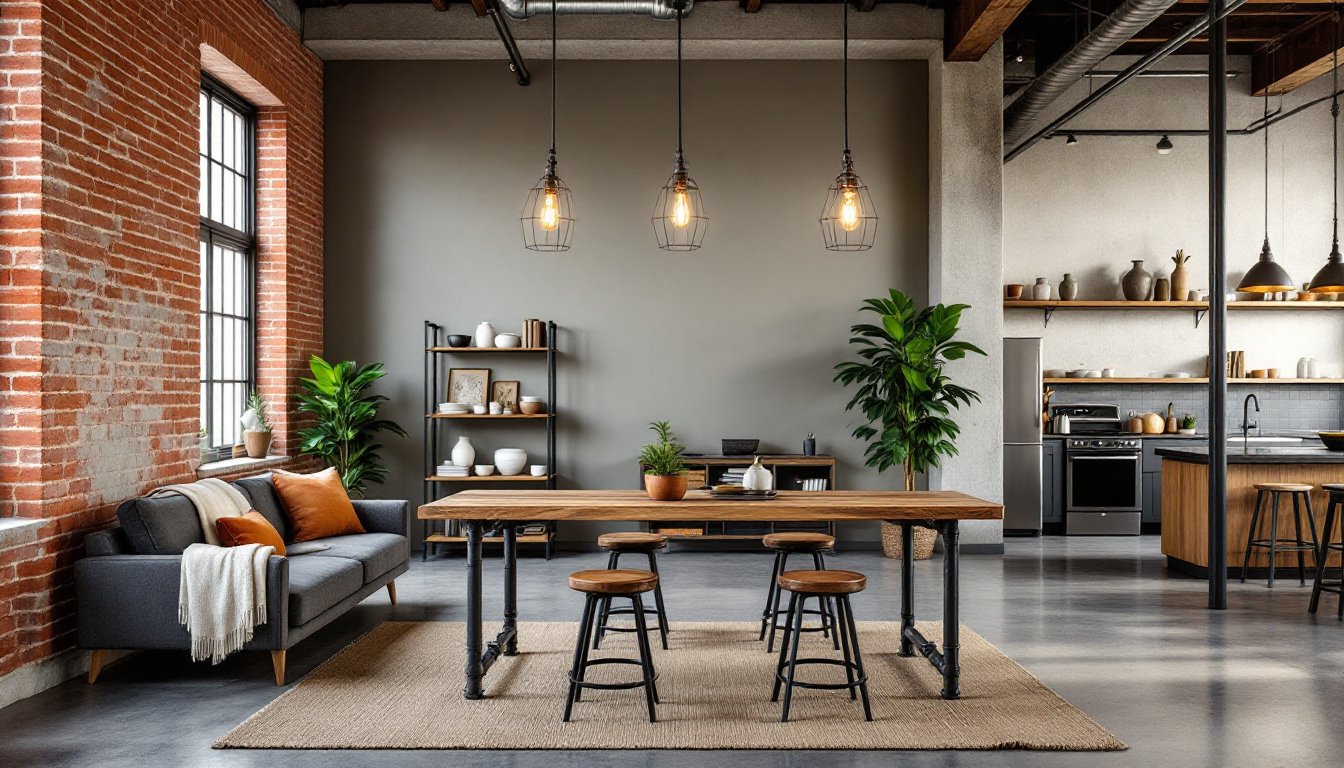

Industrial interior design strips away the polish and celebrates the bones of a building, exposed brick, metal beams, concrete floors. What started in converted lofts and old warehouses has evolved into a versatile aesthetic that works in everything from suburban ranch homes to modern condos. This style isn’t just about distressed surfaces and Edison bulbs: it’s a deliberate balance between raw materials and refined comfort. Whether someone’s renovating a basement, updating a kitchen, or rethinking a living room, understanding the principles behind industrial design interior helps them create spaces that feel both edgy and livable. This guide walks through the core elements, practical installation tips, and ways to soften the look without losing its character.
Key Takeaways
- Industrial interior design celebrates exposed structural elements like brick, metal beams, and concrete floors while balancing raw materials with refined comfort for livable, edgy spaces.
- Start with high-impact, lower-commitment upgrades like swapping lighting fixtures to industrial-style pendants and installing open shelving before tackling structural work such as wall removal.
- Raw materials form the foundation of this aesthetic—exposed brick, polished concrete, reclaimed wood, and steel create focal points rather than flaws to hide.
- Neutrals dominate the color palette (grays, blacks, whites, browns) paired with bold accent colors like rust orange or navy in limited doses to maintain the cohesive industrial look.
- Layer warmth into industrial design through natural wood elements, dimmable lighting, greenery, and soft textiles to prevent the space from feeling cold or unwelcoming.
- Always verify structural requirements with a contractor or engineer before removing walls or exposing elements, and check local codes—permits are typically required for major modifications.
What Is Industrial Interior Design?
Industrial interior design draws inspiration from early 20th-century factories, warehouses, and industrial buildings that were later converted into living spaces. The style emerged in New York’s SoHo district during the 1960s and ’70s when artists moved into abandoned commercial buildings, working with, not against, the existing architecture.
At its core, industrial design interior celebrates unfinished and utilitarian elements. Instead of hiding structural components like ductwork, plumbing, or support beams, the style puts them on display. Exposed brick walls, concrete or stained concrete floors, and visible metal framing become focal points rather than flaws to cover up.
The aesthetic prioritizes function and honest materials. Steel, reclaimed wood, iron, and glass dominate the material palette. Furniture tends toward simple, sturdy pieces, often with wheels or visible hardware. Lighting fixtures embrace bare bulbs, metal cages, and articulated arms. The overall effect should feel uncluttered and open, with high ceilings (real or implied) and minimal window treatments.
This isn’t a style that demands a century-old factory conversion. Homeowners can introduce industrial elements into standard construction through material choices, strategic demolition (like removing drywall to expose brick), and carefully selected fixtures. The key is restraint, industrial interior design ideas work best when they don’t try too hard.
Key Characteristics of Industrial Style
Raw Materials and Exposed Elements
The defining feature of industrial spaces is their embrace of raw, unfinished surfaces. Exposed brick is the most iconic element, if a wall has brick behind drywall, removing the covering can instantly shift the room’s character. Before tearing into walls, though, check for load-bearing considerations and wiring paths. Use a stud finder to map out framing, and cut a small inspection hole first. Old mortar may need repointing: leave crumbling brick alone or consult a mason. Seal bare brick with a penetrating sealer (siloxane-based products work well) to prevent dust and moisture issues.
Concrete floors offer another route. Existing basement slabs can be ground smooth, stained, and sealed. Polished concrete requires professional equipment, but acid-stained or dyed concrete is within DIYer reach. Prep involves degreasing, etching with muriatic acid (wear gloves, goggles, and respirator), and applying stain per manufacturer instructions. Finish with a urethane or epoxy sealer for durability, coverage is typically 200-400 square feet per gallon depending on porosity.
Metal and wood beams add architectural weight. Real structural steel is expensive and requires engineering, but decorative faux beams (reclaimed wood or steel-wrapped lumber) mount to ceiling joists with lag bolts. For exposed ductwork or plumbing, reroute or refinish existing runs with high-heat enamel paint in matte black or galvanized silver. This requires access from above or below, not always possible in single-story homes without attic or crawl space access.
Neutral Color Palettes with Bold Accents
Industrial interiors lean heavily on grays, blacks, whites, and browns, the natural tones of concrete, steel, aged wood, and brick. These neutrals create a cohesive backdrop that doesn’t compete with the materials themselves. Walls are often left in shades of greige (gray-beige hybrids like Sherwin-Williams Accessible Beige or Behr Silver Drop), or painted crisp white to maximize light in historically darker warehouse spaces.
Accent colors should be bold but limited: deep charcoal, rust orange, industrial yellow, or navy blue work well. These show up in smaller doses, throw pillows, a single accent wall, metal stools, or artwork. The palette stays grounded: pastels and bright primary colors generally clash with the aesthetic.
Texture provides visual interest where color doesn’t. Pair smooth concrete with rough-sawn lumber, brushed steel with soft leather, or matte black fixtures with glossy subway tile. Contrast prevents the space from feeling flat or one-note.
How to Incorporate Industrial Design in Your Home
Start with high-impact, lower-commitment changes before tackling structural work. Swap out lighting fixtures first, industrial-style pendants, track lighting, or cage sconces are straightforward electrical upgrades. Look for fixtures with exposed filament bulbs, metal shades, or articulated arms. Edison bulbs (T45 or ST64 styles) add vintage warmth, but note they’re less efficient than LED equivalents: many manufacturers now offer LED versions with filament aesthetics.
Open shelving in kitchens and living areas reinforces the utilitarian vibe. Remove upper cabinet doors or replace full cabinets with pipe-mounted wood shelves. Use black iron pipe fittings (½-inch or ¾-inch diameter) as brackets, threading them into flanges screwed into wall studs. Each bracket should hit at least one stud: toggle bolts work for drywall-only spots but aren’t suitable for heavy loads. Stain or seal reclaimed wood planks with polyurethane for a food-safe finish in kitchens.
For flooring, if concrete isn’t an option, consider wide-plank engineered hardwood in gray or weathered finishes, or luxury vinyl plank (LVP) that mimics reclaimed wood or polished concrete. LVP installs as a floating floor over existing surfaces and handles moisture better than solid wood, useful in basements or high-traffic areas.
Metal-framed windows or interior glass partitions add industrial edge without major construction. Steel-look aluminum frames (less expensive and easier to install than true steel) can replace existing interior doors or create a half-wall separation between rooms. These require precise measurements, order custom or semi-custom sizes for best fit.
If budget and codes allow, removing non-load-bearing walls opens up sightlines and creates the loft-like flow central to industrial interior design ideas. Always verify with a structural engineer or contractor before cutting into any wall: even non-structural walls may house plumbing, HVAC, or electrical that needs rerouting. Permits are typically required for wall removal in most jurisdictions.
Furniture and Decor for the Industrial Aesthetic
Industrial furniture favors metal frames, reclaimed wood, and visible hardware. Look for pieces with clean lines and honest construction, nothing overly ornate or upholstered in floral prints. Dining tables with steel legs and thick wood tops, metal bar stools with low backs, and storage units on casters all fit the style.
Reclaimed wood adds warmth and history. Salvaged barn wood, pallet wood, or old factory flooring can be milled into tabletops, shelving, or headboards. If working with raw reclaimed lumber, check for nails, screws, or metal fragments with a metal detector before cutting (a damaged saw blade or planer knife is an expensive mistake). Plane or sand the surface smooth, then finish with tung oil or matte polyurethane to preserve the weathered look without adding shine.
Seating should balance form and function. Leather or distressed canvas upholstery works better than delicate fabrics. Metal folding chairs, wire mesh seating, or stools with riveted joints maintain the aesthetic. Avoid overstuffed sectionals: if a large sofa is needed, choose low-profile designs with exposed legs in wood or metal.
Decor should be minimal and purposeful. Vintage industrial items, old factory molds, gear wheels, metal signage, or laboratory glassware, serve as sculptural accents. Oversized wall clocks with metal frames, black-and-white photography in simple frames, and Edison-bulb fixtures double as art and function. Avoid clutter: open space is part of the design language.
Textiles soften the hard edges without undermining the style. Choose wool, linen, or cotton throws in charcoal, cream, or rust. Area rugs in jute, sisal, or low-pile geometric patterns anchor seating areas and reduce echo in hard-surfaced rooms.
Balancing Industrial Edge with Warmth and Comfort
Pure industrial style can feel cold or unwelcoming if taken to extremes. The most successful spaces layer in warmth through natural materials, thoughtful lighting, and organic textures.
Wood is the primary softening agent. Reclaimed or rough-sawn lumber, live-edge slabs, and wooden ceiling beams introduce grain patterns and natural color variation. Even a single wooden dining table or shelf unit warms up a concrete-and-steel room. Avoid overly glossy finishes, matte or satin sheens maintain the understated vibe.
Lighting plays a dual role: functional and atmospheric. Industrial fixtures often use bare bulbs, which can feel harsh if that’s the only light source. Layer in dimmable fixtures, table lamps with fabric shades, or wall sconces to create zones of softer light. Install dimmer switches (compatible with LED bulbs) to adjust ambiance, this is a straightforward electrical upgrade in most homes, though older wiring may require a neutral wire for smart dimmers.
Greenery breaks up hard lines and adds life without cluttering. Large potted plants, fiddle leaf figs, rubber trees, or snake plants, thrive in bright, open industrial spaces. Use simple containers: galvanized metal, concrete, or matte black ceramic. Avoid ornate planters or fussy arrangements.
Textiles and upholstery matter more than many DIYers realize. A leather sofa, wool throw blankets, linen curtains (if window treatments are used at all), and layered rugs transform an echoey room into a livable one. Acoustic absorption improves dramatically with soft materials, important in rooms with concrete floors and exposed ceilings.
Finally, personal touches prevent the space from feeling like a showroom. Books, art, vintage finds, and everyday objects give industrial interiors soul. The goal isn’t a magazine spread, it’s a home that honors raw materials while remaining comfortable and functional for daily life.