
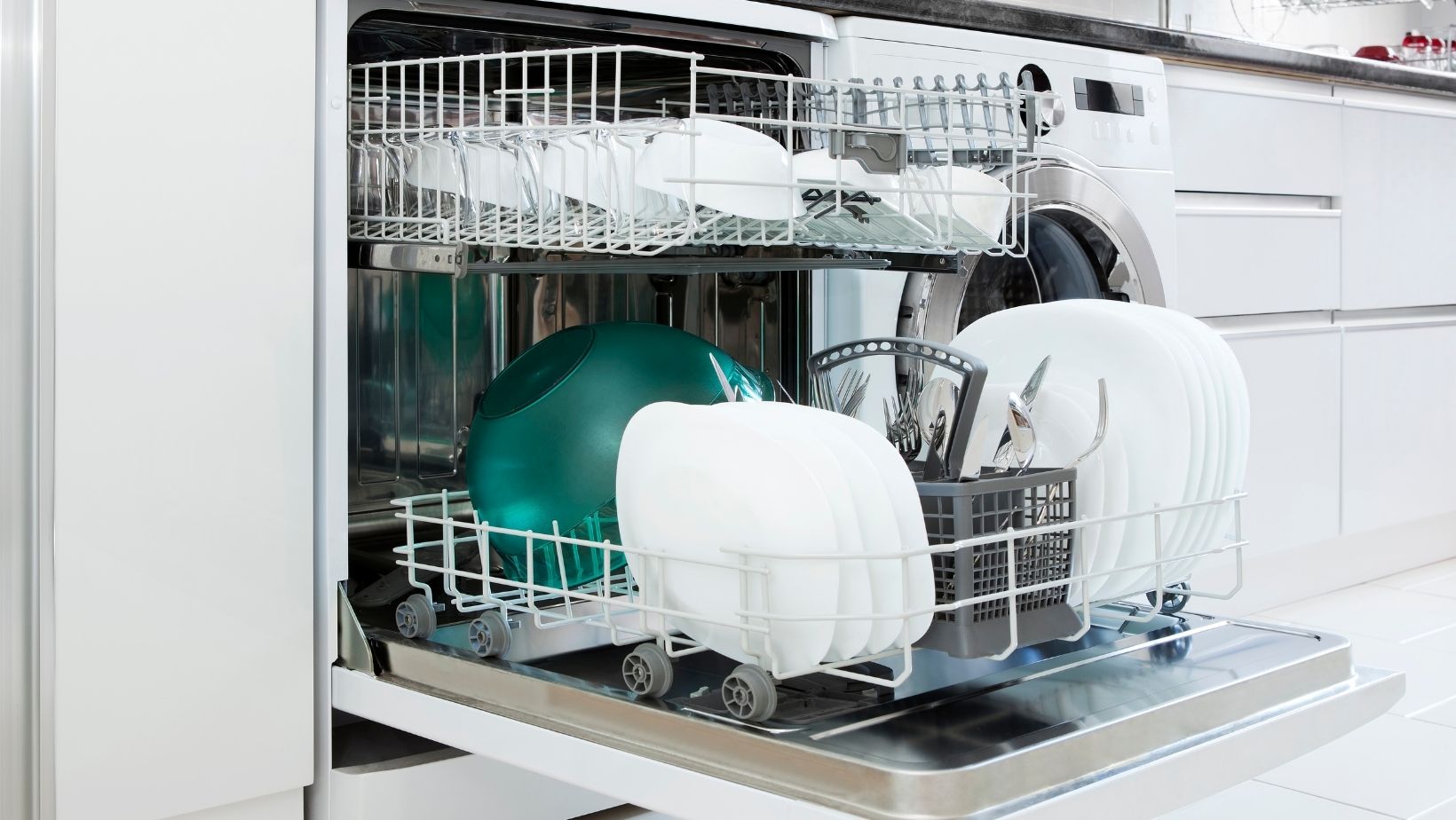

Dishwashers rely on a steady flow of clean water to remove food residue, grease, and detergent from dishes. In many homes, however, the water supply contains high levels of minerals such as calcium and magnesium. This condition, commonly known as hard water, can gradually affect both the dishwasher’s performance and the lifespan of its internal components.
Over time, these minerals can accumulate inside the appliance and interfere with normal operation. The buildup often forms a chalky residue on internal surfaces and on important repair parts for dishwashers, which can reduce efficiency and cleaning performance. Understanding how hard water affects a dishwasher helps prevent long-term damage and maintain the appliance properly.
Mineral Buildup on Spray Arms
Spray arms play a critical role in distributing water throughout the dishwasher during the wash cycle. These rotating arms contain small openings that release pressurized water to reach dishes from different angles.
When hard water minerals accumulate inside these openings, they can partially block the spray pattern. As a result, water pressure may decrease and some dishes may not receive enough water to be cleaned properly. In severe cases, mineral buildup can restrict the movement of the spray arms or cause uneven water distribution throughout the dishwasher.
Regularly removing and rinsing the spray arms can help prevent mineral deposits from affecting their performance.
Reduced Efficiency of the Heating Element
The heating element raises the temperature of the water during the wash cycle and helps dry dishes at the end of the program. Hard water minerals can collect on the surface of this component over time, forming a layer of scale.
When scale builds up on the heating element, it acts as an insulating barrier between the heating element and the water. This can reduce the appliance’s ability to heat water efficiently. As a result, the dishwasher may require longer cycles or struggle to remove grease from dishes effectively.
Periodic cleaning of the dishwasher interior can help reduce mineral buildup and maintain proper heating performance.
Clogged Filters and Internal Passages
Hard water deposits can also accumulate in filters and small internal passages within the dishwasher. These areas are responsible for maintaining proper water circulation and preventing debris from entering sensitive components.
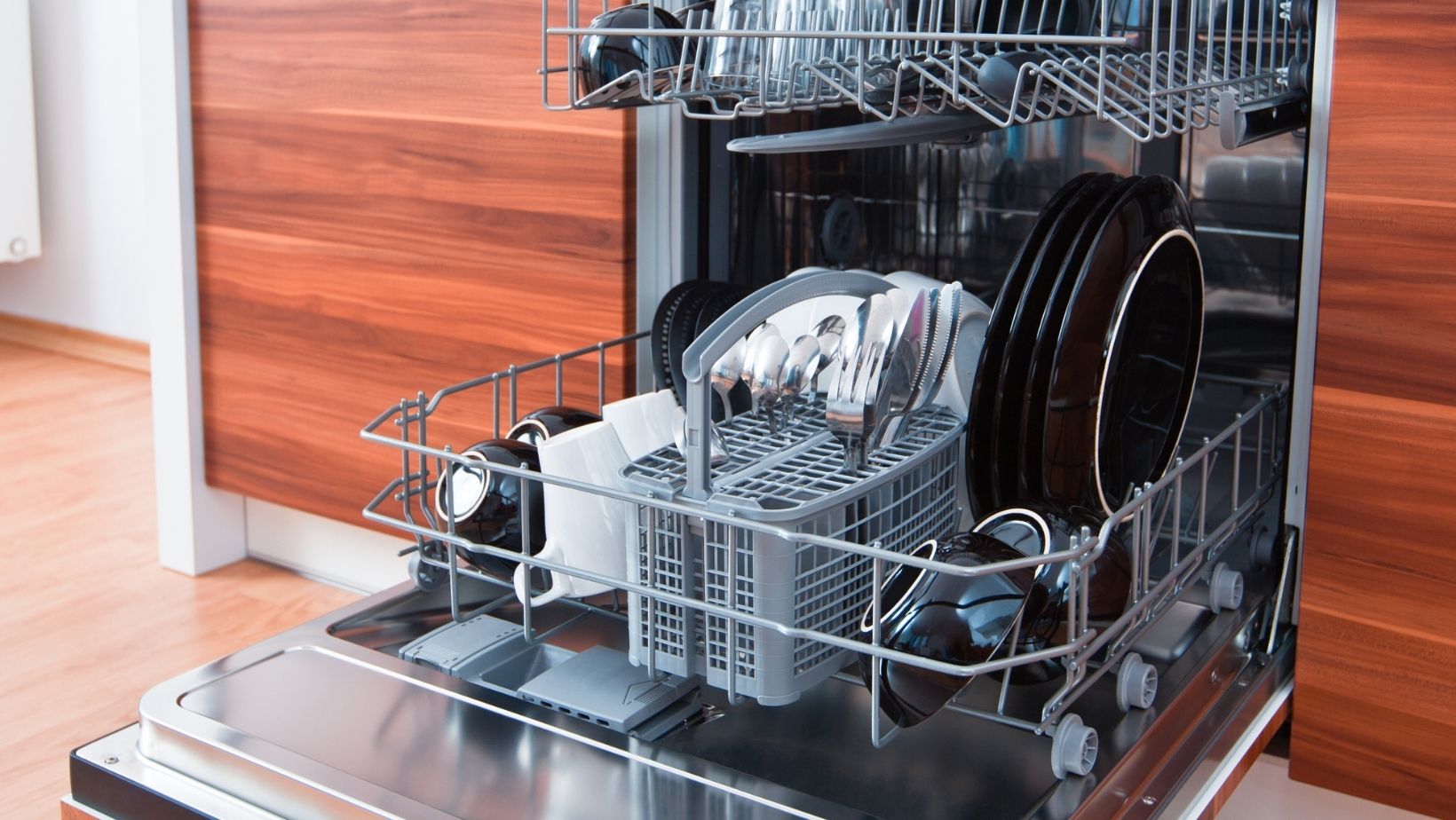
As mineral deposits grow, they may restrict water movement through these areas. Reduced circulation can affect how water reaches dishes during the wash cycle and may lead to inconsistent cleaning results. Cleaning the filter regularly and running occasional cleaning cycles can help prevent mineral buildup from becoming excessive.
Visible Residue on Dishes and Glassware
One of the most noticeable effects of hard water appears on dishes themselves. Mineral deposits left behind during the drying cycle can create cloudy spots or a thin white film on glassware, plates, and utensils.
This residue forms when mineral-rich water evaporates and leaves deposits behind. Although it may not affect the safety of the dishes, it can make glassware appear dull and reduce the overall cleaning results.
Using rinse aid and ensuring the dishwasher operates at the correct temperature can help minimize spotting caused by hard water.
Increased Wear on Internal Components
Over time, mineral buildup can affect several moving parts inside the dishwasher. Components such as circulation pumps, valves, and spray arms must handle water flow repeatedly throughout each wash cycle.
When scale accumulates inside these systems, it can place additional strain on the appliance. Restricted water flow and mineral deposits may gradually increase wear on certain components, potentially leading to reduced efficiency or earlier part replacement.
Keeping the dishwasher clean and addressing mineral buildup early helps protect these components and maintain reliable operation.
Maintaining Your Dishwasher in Hard Water Areas
Hard water is a common issue in many regions, but proper maintenance can help reduce its impact on dishwashers. Regular cleaning cycles, proper detergent use, and occasional inspection of internal components can help prevent excessive mineral buildup.
If certain components become heavily affected over time, replacing worn or damaged dishwasher parts can help restore the appliance’s performance. Reliable suppliers such as Repair Clinic offer compatible parts for many dishwasher models, helping homeowners maintain their appliances and extend their lifespan even in areas with hard water.