
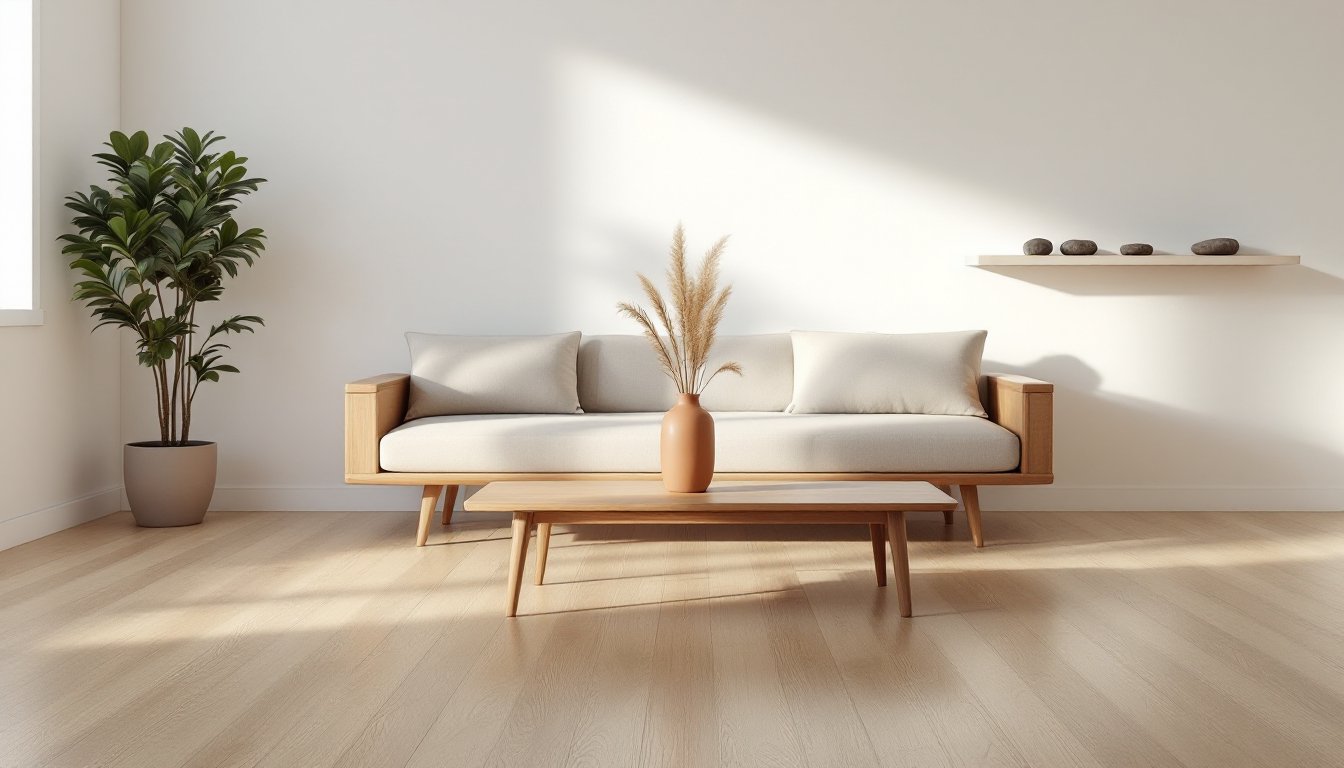

Zen interior design strips away the noise. It’s not about buying bamboo placemats and calling it done, it’s a deliberate approach to creating spaces that feel calm, uncluttered, and grounded. Rooted in Japanese aesthetics and Buddhist philosophy, Zen design prioritizes simplicity, natural materials, and intentional space. Unlike trends that chase visual drama, Zen interiors aim for something quieter: rooms that let occupants breathe, think, and reset. For homeowners tackling a redesign or even a single-room refresh, understanding the core principles makes the difference between a space that looks minimal and one that actually feels restful.
Key Takeaways
- Zen interior design is a deliberate philosophy grounded in simplicity, natural materials, and intentional space—not just buying bamboo décor or mimicking Asian aesthetics.
- Core principles like simplicity (Kanso), naturalness (Shizen), and freedom from clutter (Datsuzoku) guide every material choice, ensuring spaces feel calm and support mental clarity.
- Neutral earth-tone palettes combined with honest natural materials such as solid wood, stone, linen, and wool create warmth without visual overwhelm in Zen interiors.
- Low-profile furniture, generous negative space, diffused lighting, and concealed storage maintain open sightlines and reduce mental overstimulation in Zen design.
- A ruthless declutter, smart flooring and wall updates, strategic plant placement, and ongoing maintenance discipline are essential to transform any room into a truly restful Zen space.
- Common pitfalls to avoid include overusing Asian symbols, relying on all-white rooms, neglecting comfort, and forcing Zen design into high-traffic areas where it’s difficult to sustain.
What Is Zen Interior Design?
Zen interior design is a minimalist approach centered on balance, harmony, and connection to nature. It emerged from Japanese Zen Buddhism, which emphasizes mindfulness, meditation, and the elimination of excess. In practical terms, that translates to clean lines, neutral tones, natural light, and a strict editing process for what stays in a room.
Unlike Western minimalism, which can feel cold or sterile, Zen design incorporates warmth through organic textures like wood, stone, linen, and clay. Every element serves a purpose. Decorative clutter is absent, but so is the sense of deprivation. The goal is to create an environment that supports mental clarity and physical ease.
This style works especially well in urban homes where visual and auditory overstimulation is constant. A Zen-designed bedroom or living room acts as a counterbalance: a place where the eye rests and the mind slows down. It’s not about rigidly following rules, it’s about understanding the philosophy and adapting it to the space at hand.
Core Principles of Zen Design Philosophy
Zen design rests on several foundational ideas that guide material choices, layout, and upkeep.
Simplicity (Kanso): Remove anything that doesn’t add function or meaning. This isn’t about emptying a room, it’s about intentional curation. A single ceramic vase on a windowsill carries more weight than five tchotchkes.
Naturalness (Shizen): Materials should look and feel honest. That means solid wood instead of laminate, natural fiber rugs instead of synthetics, and finishes that show grain, texture, or subtle imperfection. Avoid anything overly processed or artificial.
Asymmetry and Balance (Fukinsei): Perfect symmetry feels formal and rigid. Zen design favors asymmetrical balance, a single wall hanging offset by a low bench, or a grouping of three stones instead of two. The eye finds equilibrium without mirror images.
Tranquility (Seijaku): Spaces should evoke stillness. This comes from low furniture profiles, ample negative space, soft lighting, and sound-dampening materials like wool rugs or linen drapes.
Freedom from Clutter (Datsuzoku): This principle pushes back against routine accumulation. Storage should be concealed or minimal. Surfaces stay clear. The rule of thumb: if it hasn’t been used or appreciated in the last month, it doesn’t belong in a Zen space.
Essential Elements That Define Zen Interiors
Color Palettes and Natural Materials
Zen interiors rely on neutral, earth-toned palettes: warm whites, soft grays, beiges, taupes, and muted greens. These colors recede visually, making rooms feel larger and calmer. Accent colors, if used at all, come from nature: moss green, charcoal, sand, or clay terracotta.
Natural materials anchor the aesthetic. Hardwood flooring (oak, maple, or bamboo) provides warmth underfoot. Solid wood furniture, especially pieces with visible grain or live edges, adds organic texture. Stone appears in countertops, feature walls, or decorative objects. Linen, cotton, jute, and wool bring softness without synthetic sheen.
Paint finishes should be matte or eggshell, never high-gloss. Benjamin Moore’s Simply White or Sherwin-Williams’ Alabaster are popular choices for wall color, both reflect light without starkness. For trim and cabinetry, consider natural wood stains in honey oak or walnut rather than painted finishes.
Avoid busy patterns, metallic accents, and anything with a plastic or vinyl surface. If a rug is needed, go for a flatweave jute or wool rug in a solid tone. Wall treatments should be minimal: shiplap, smooth plaster, or clean drywall with zero texture.
Furniture Selection and Spatial Flow
Zen furniture sits low to the ground. Platform beds, floor cushions, and low-profile sofas keep sightlines open and emphasize horizontal space. This also mimics traditional Japanese interiors, where tatami mats and zabuton cushions define seating areas.
Choose pieces with clean lines and minimal ornamentation. A solid walnut coffee table with tapered legs beats a distressed farmhouse piece every time. Avoid tufting, nailhead trim, or carved details. Upholstery should be neutral linen or cotton in sand, gray, or charcoal.
Spatial flow matters as much as the furniture itself. Leave generous clearance around each piece, at least 24 to 36 inches of walking space in living areas. Rooms should feel open, not packed. Resist the urge to fill corners or add extra seating “just in case.”
Built-ins and concealed storage help maintain clean surfaces. A floor-to-ceiling sliding shoji screen or a simple cabinet with flush doors keeps belongings out of sight. Open shelving works only if items are curated and arranged with negative space between them. Floating shelves in light wood or painted to match walls maintain visual calm.
Lighting follows the same restraint. Use diffused, layered lighting: rice paper pendants, recessed LEDs on dimmers, or simple ceramic table lamps with linen shades. Avoid chandeliers, ornate fixtures, or anything with visible bulbs. Natural light is prioritized, leave windows unobstructed or use sheer linen panels rather than heavy drapes.
How to Create a Zen Space in Any Room
Start with a ruthless declutter. Remove everything that doesn’t serve a clear function or hold personal meaning. Box up excess decor, redundant furniture, and anything broken or outdated. This step is non-negotiable.
Next, assess the flooring and walls. If carpet is present, consider replacing it with hardwood, bamboo, or large-format tile. For renters or budget-conscious DIYers, peel-and-stick luxury vinyl planks in a light oak finish can mimic the look at a fraction of the cost, expect to pay around $2 to $4 per square foot (material only, regional pricing varies).
Walls should be smooth and neutral. Patch any holes with lightweight spackle, sand flush, then prime and paint with a zero-VOC matte or eggshell finish. One gallon covers roughly 350 to 400 square feet and runs $30 to $60 depending on brand and quality.
Replace bulky furniture with low-profile alternatives. A platform bed frame with a simple linen duvet in ivory or gray transforms a bedroom. In living rooms, swap overstuffed sofas for a streamlined loveseat or Japanese-style futon on a slatted base. Side tables should be wood or stone, not glass or metal.
Introduce natural elements strategically: a potted snake plant or bamboo palm, a ceramic bowl filled with river stones, or a single piece of driftwood on a shelf. Plants improve air quality and add life without visual clutter. Stick to one to three plants per room, more begins to feel busy.
Control lighting with dimmers and multiple sources. Install a dimmer switch (about $15 to $25, plus minimal wiring if replacing a standard switch, turn off breaker first). Add a paper lantern pendant or a simple wood-base lamp with a warm LED bulb (2700K to 3000K color temperature).
Finally, maintain the space. Zen design requires ongoing discipline. Surfaces should stay clear, laundry put away, and mail sorted immediately. This isn’t about perfection, it’s about consistency.
Common Mistakes to Avoid in Zen Design
Overdoing the “Asian” aesthetic. Zen design doesn’t require bamboo everything, Buddha statues, or kanji wall decals. These elements often come across as cliché or appropriative. Stick to the principles, simplicity, natural materials, and balance, rather than surface-level symbols.
Using white as a crutch. All-white rooms can feel clinical rather than calm. Zen interiors need warmth and texture. Layer in beige, taupe, warm gray, and natural wood tones. Let materials do the talking.
Ignoring comfort. Minimalism shouldn’t mean discomfort. A low sofa still needs proper cushioning. A platform bed still needs a quality mattress. Zen design values function and ease, choose furniture that supports the body, not just the aesthetic.
Skipping the edit. It’s tempting to add “just one more” pillow, candle, or print. Resist. Every object competes for attention. If something doesn’t earn its place, it doesn’t stay.
Neglecting acoustics. Hard surfaces, wood floors, plaster walls, can make rooms echo. Add a wool or jute area rug, linen curtains, or upholstered seating to absorb sound and create a quieter environment.
Forcing it into every room. Zen design works best in private, restorative spaces: bedrooms, bathrooms, meditation nooks, or reading corners. It’s harder to maintain in high-traffic kitchens or kids’ play areas. Be strategic about where the style is applied.
With clear intention and consistent editing, Zen interior design offers more than a visual style, it creates an environment that genuinely supports rest, focus, and well-being. It’s not a quick fix, but for homeowners willing to commit to the principles, the payoff is a space that feels as good as it looks.