
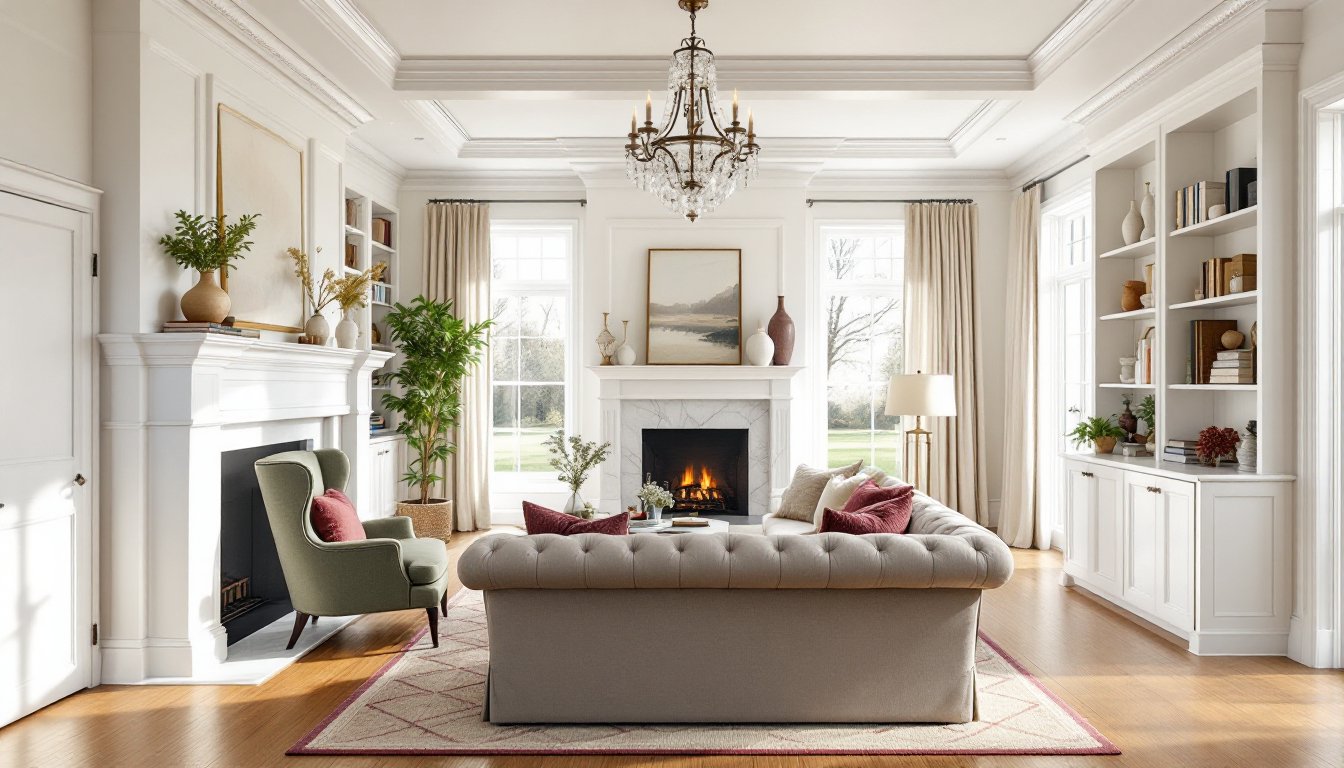

Classic interior design doesn’t mean frozen in time, it means choosing elements that look just as refined in twenty years as they do today. Unlike trend-driven styles that cycle through Pinterest every season, classic design relies on proportion, quality materials, and architectural detail that never feels dated. For homeowners tackling renovations or refreshing tired rooms, understanding classic principles means making smarter choices: investing in crown molding that adds real value, selecting paint colors that won’t need redoing in three years, and choosing furniture built to last. This guide breaks down what makes an interior truly classic and how to execute it without turning a home into a museum.
Key Takeaways
- Classic interior design prioritizes timeless elements like quality materials, proportion, and architectural detail over trendy finishes, ensuring spaces remain refined for decades.
- Essential materials for classic interior design include hardwood flooring, natural stone, solid wood furniture with mortise-and-tenon joinery, and natural fiber textiles like linen and wool.
- Crown molding, baseboards, wainscoting, and coffered ceilings are non-negotiable architectural features that add real value and elevate even builder-grade homes without requiring a historic property.
- Neutral color palettes with depth—warm whites, soft grays, taupe, and muted earth tones—form the foundation, with accent colors drawn from nature appearing in upholstery and drapery.
- Avoid common pitfalls like skipping surface prep, using flimsy materials like vinyl baseboards, overdoing ornamentation, and mixing too many metal finishes throughout your home.
- Retrofit modern kitchens and baths with Shaker-style cabinetry, subway tile, and quality fixtures in polished chrome or brushed nickel to maintain classic design principles without appearing dated.
What Is Classic Interior Design?
Classic interior design draws from European traditions, particularly English, French, and Italian, that emphasize symmetry, proportion, and craftsmanship. It’s rooted in historical periods like Georgian, Regency, and Neoclassical styles, but it’s not about recreating a specific era down to the last detail.
The defining characteristic is timelessness. Classic interiors avoid trendy finishes or overly ornate details that date quickly. Instead, they use balanced layouts, natural materials like wood and stone, and architectural features such as wainscoting, coffered ceilings, and built-in cabinetry. Unlike traditional design (which can lean heavy and dark), classic design maintains elegance through restraint.
Think of it as the difference between a well-tailored blazer and a costume. A classic interior has the bones, quality trim work, proper scale, thoughtful lighting, without feeling like a period film set. It allows personal style to layer in through art, textiles, and furniture choices while the architecture itself remains neutral and enduring.
Key Elements of Classic Interior Design
Color Palettes and Materials
Classic color schemes favor neutrals with depth: warm whites (not stark builder white), soft grays, taupes, creams, and muted earth tones. Accent colors pull from nature, deep greens, navy blues, burgundy, or gold, and appear in upholstery, drapery, or accent walls rather than as primary wall colors.
Paint coverage matters here: high-quality paints with good hide (typically 350–400 square feet per gallon) deliver richer, more durable finishes. Eggshell or satin sheens work best for walls: semi-gloss suits trim and doors.
Materials emphasize natural over synthetic:
- Hardwood flooring: Oak, maple, or walnut in 3¼-inch to 5-inch planks (nominal width). Avoid overly distressed or wire-brushed finishes that feel trendy.
- Stone: Marble, travertine, or limestone for flooring, countertops, or fireplace surrounds. Honed finishes age better than high-gloss polish in high-traffic areas.
- Plaster walls: Where budget allows, smooth plaster (applied by a professional) beats drywall for subtle texture and longevity.
- Natural fiber textiles: Linen, cotton, wool, and silk in drapery, upholstery, and rugs.
Avoid laminate, vinyl plank designed to mimic wood, or overly shiny finishes. If budget demands alternatives, choose matte or satin finishes that don’t scream “imitation.”
Furniture and Architectural Details
Classic furniture relies on proportion and craftsmanship. Pieces should feel substantial without being bulky: solid wood frames, mortise-and-tenon joinery, upholstered seats with eight-way hand-tied springs (not stapled webbing).
Common furniture forms include:
- Wingback chairs and Chesterfield sofas with tufted backs
- Cabriole legs or turned legs on tables and seating
- Case goods (dressers, sideboards, bookcases) in hardwood with dovetailed drawers and inset or raised-panel doors
Architectural details do the heavy lifting in classic interiors. These aren’t cosmetic, they’re part of the structure or finish carpentry:
- Crown molding: At minimum, 3½-inch profiles in main living areas. Larger rooms (10-foot ceilings or higher) can handle 5- to 7-inch built-up crown.
- Baseboards: 5¼ inches or taller. Pair with base cap and shoe molding for a layered look.
- Wainscoting or paneling: Classic raised-panel wainscoting runs 32 to 36 inches high (one-third wall height). Beadboard works in casual spaces like mudrooms: raised panel suits dining rooms and libraries.
- Coffered ceilings: Grid patterns with recessed panels and trim. DIY-friendly if you’re comfortable with miter cuts and a pneumatic nailer, but consider hiring a trim carpenter for complex layouts.
- Built-ins: Floor-to-ceiling bookcases, window seats with storage, or cabinet surrounds for media centers.
All trim should be solid wood or MDF primed on all sides before installation to prevent warping. Finger-jointed pine painted with two coats of semi-gloss holds up well and costs less than clear hardwood.
How to Incorporate Classic Design Into Modern Homes
Most homeowners aren’t working with historic houses, they’re updating builders-grade tract homes, mid-century ranches, or open-concept new builds. Classic elements can integrate without making spaces feel costume-y.
Start with trim and millwork. Even a 1990s home feels more refined with upgraded baseboards, door casings, and crown molding. Replace hollow-core doors with solid-core or five-panel doors. Add picture rail molding in hallways or dining rooms to create visual interest at eye level.
Simplify open floor plans with definition. Open-concept layouts lack the natural room divisions classic design relies on. Add definition through:
- Ceiling treatments: Tray ceilings, beams, or different paint colors to zone spaces
- Archways or columns: Even non-structural decorative columns can frame a transition between kitchen and living areas
- Area rugs and furniture arrangement: Use rugs to anchor separate “rooms” within one space
Choose classic-style lighting with modern function. Chandeliers, sconces, and pendant lights in brass, bronze, or nickel finishes suit classic interiors. Look for fixtures with real metal (not plastic or resin). LED bulbs are fine, just choose warm color temperatures (2700K–3000K) that mimic incandescent glow.
Retrofit modern kitchens and baths. Shaker-style cabinetry, marble or quartz countertops, and subway tile backsplashes lean classic without looking dated. Inset cabinet doors feel more refined than overlay, but they cost 15–20% more and require precise installation. If budget’s tight, overlay doors with a quality paint finish work fine.
For bathrooms, porcelain or ceramic tile in neutral tones (white, cream, gray, black) laid in classic patterns, subway, herringbone, basket-weave, age better than large-format trendy tile. Fixtures in polished chrome or brushed nickel outlast oil-rubbed bronze, which can wear unevenly.
Classic Design Styles That Never Go Out of Fashion
Within the classic umbrella, a few styles consistently deliver:
Georgian and Federal: Symmetrical layouts, Palladian windows, dentil molding, and formal furniture arrangements. Works well in Colonial or Colonial Revival homes.
Regency: Lighter and more refined than Georgian. Features include Greek and Roman motifs, saber legs on furniture, and restrained color palettes (black, white, gold accents).
French Provincial: Softer curves, carved wood details, toile fabrics, and a mix of painted and natural wood finishes. Less formal than Georgian but still rooted in tradition.
English Country: Comfortable and layered. Chintz fabrics, rolled-arm sofas, antique rugs, and dark wood furniture. More forgiving of mismatched pieces and collected-over-time aesthetics.
None of these require perfection. Homeowners can borrow elements, a Regency-style mirror here, French Provincial chairs there, without committing to a single rigid style. The unifying thread is quality, proportion, and natural materials.
Common Mistakes to Avoid When Creating a Classic Interior
Skipping the prep work. Classic finishes demand smooth surfaces. Drywall should be skim-coated if it’s textured or damaged. Wood trim needs filling, sanding, and priming before paint. Shortcutting prep shows immediately and undermines the refined look classic design requires.
Using flimsy materials. Hollow-core doors, vinyl baseboards, and laminate “wood” floors feel cheap no matter how well they’re installed. If budget’s tight, prioritize a few rooms with quality materials rather than spreading thin substitutes throughout the house.
Overdoing ornamentation. More molding isn’t always better. Rooms with 8-foot ceilings don’t need heavy crown and chair rail and wainscoting stacked together, it feels cluttered. Choose one or two architectural features per room.
Ignoring scale. Furniture and trim should match room proportions. A massive sectional overwhelms a 12×14 living room: spindly chairs get lost in a 20×24 great room. Measure twice, and test furniture layouts with painter’s tape on the floor before buying.
Mixing too many finishes. Stick to two or three metal finishes throughout the home (e.g., polished nickel for plumbing, oil-rubbed bronze for door hardware, antique brass for lighting). Mixing five different finishes across adjacent rooms reads as chaotic, not eclectic.
Neglecting lighting layers. Classic interiors need ambient (overhead or chandelier), task (reading lamps, under-cabinet), and accent (sconces, picture lights) lighting. A single ceiling fixture leaves rooms flat and uninviting. Install dimmers on all overhead lighting, they’re code-compliant, inexpensive, and add flexibility.
Classic interior design rewards patience and attention to detail. Homeowners willing to invest in proper materials, skilled labor where needed (trim carpentry, tile work, electrical for lighting), and timeless choices end up with spaces that feel refined for decades, not just until the next trend cycle.