
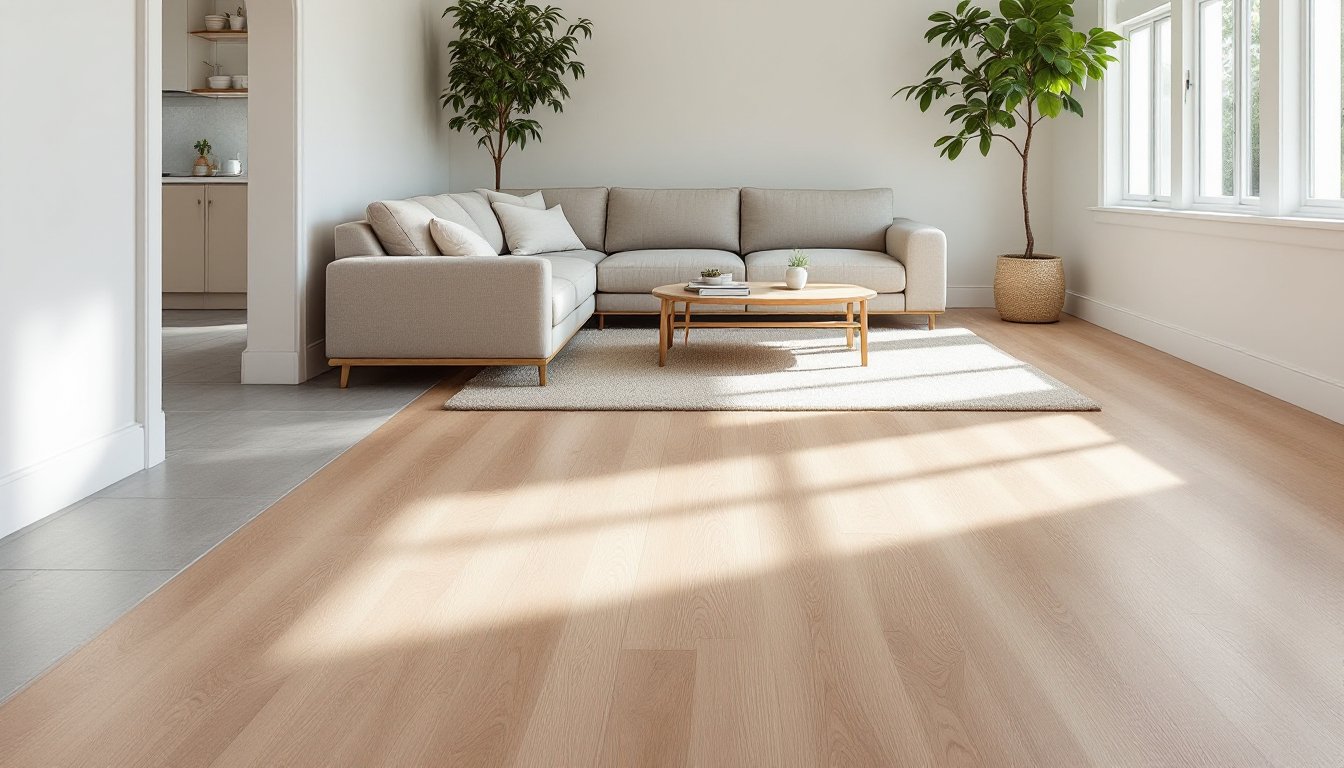

Choosing flooring isn’t about picking what looks good in a showroom, it’s about balancing aesthetics with performance, budget, and the realities of daily life. A beautiful wide-plank oak floor won’t stay beautiful long in a mudroom without proper finish. That trendy porcelain tile might look sharp but feel ice-cold underfoot in a bedroom. The right flooring anchors a room’s design while standing up to foot traffic, moisture, pets, and the occasional dropped skillet. With material costs fluctuating and new hybrid products hitting the market every year, homeowners need a clear-eyed approach to selecting flooring that works as hard as it looks. This guide breaks down the essential considerations for interior design flooring in 2026, no fluff, just the practical insights needed to make a smart choice for each space.
Key Takeaways
- Interior design flooring selection must balance aesthetics, performance, durability, and budget—a choice that affects both immediate functionality and long-term home value.
- Hardwood flooring offers timeless elegance and can be refinished 4-6 times over its 50+ year lifespan, making it ideal for living spaces, while waterproof alternatives like LVP and porcelain tile are essential for moisture-prone areas like bathrooms and basements.
- Material choice should match room function: entryways and kitchens need spill-resistant, durable surfaces; bedrooms benefit from softer, quieter options; bathrooms demand waterproof materials.
- Subfloor condition, moisture levels, climate, and traffic patterns are non-negotiable factors that determine flooring success and longevity more than aesthetic appeal alone.
- Installation method—from DIY-friendly click-lock floating floors to professional-grade tile work—and total cost of ownership (including underlayment, labor, and future refinishing) must be calculated before purchase.
- Neutral, timeless flooring choices in quality materials offer better resale value and flexibility than trendy designs that may feel dated within five years.
Why Your Flooring Choice Matters More Than You Think
Flooring occupies more visual real estate than any other single design element in a room. It sets the tone, influences color palettes, and affects how furniture and millwork read in the space. But beyond aesthetics, flooring determines comfort, acoustics, and longevity.
A poor flooring choice can torpedo a room’s functionality. Laminate in a basement with moisture issues will buckle. Hardwood in a high-traffic entryway without proper finish will show wear in months. Carpet in a bathroom is a mold lawsuit waiting to happen.
Flooring also represents a significant upfront investment and replacement cost. While paint is cheap to change, ripping out and replacing flooring means moving furniture, dealing with subfloor issues, and living in construction dust. Getting it right the first time saves money and headaches.
Then there’s resale value. Dated carpet or damaged vinyl can drag down a home’s appeal, while quality hardwood or well-chosen tile often recoups installation costs. Buyers notice floors immediately, scuffed, stained, or mismatched materials signal deferred maintenance.
Finally, flooring impacts health and safety. Some materials off-gas VOCs. Others harbor allergens or become slippery when wet. Households with kids, elderly residents, or mobility challenges need slip-resistant, cushioned surfaces. The stakes go beyond style.
Most Popular Flooring Materials for Modern Interior Design
Hardwood Flooring: Timeless Elegance and Versatility
Solid hardwood remains the gold standard for living rooms, dining rooms, and bedrooms. Species like red oak, white oak, maple, and walnut offer distinct grain patterns and hardness ratings. Red oak sits around 1290 on the Janka hardness scale, making it moderately durable, while Brazilian walnut hits 3680, suitable for commercial spaces.
Nominal ¾-inch solid hardwood (actual thickness closer to 19/32 inch) can be sanded and refinished multiple times, typically 4 to 6 times over its lifespan. This longevity justifies the higher cost, which ranges from $6 to $20+ per square foot installed, depending on species and grade.
Engineered hardwood layers a hardwood veneer over plywood or HDF, offering better moisture resistance and dimensional stability. It’s approved for installation below grade and over radiant heat, unlike most solid hardwood. The trade-off: thinner wear layers (usually 2mm to 6mm) limit refinishing to 1 or 2 cycles.
Both types require acclimation, letting boards sit in the room for 48 to 72 hours before installation to match ambient moisture. Skipping this step invites gaps or cupping. Finish options include oil-based polyurethane (durable, amber tone), water-based poly (clear, low VOC), and hard-wax oil (natural look, easier repair).
Hardwood isn’t suitable for full bathrooms, laundry rooms, or basements prone to flooding. Moisture causes swelling, cupping, and finish failure.
Luxury Vinyl and Laminate: Affordable Style Without Compromise
Luxury vinyl plank (LVP) and luxury vinyl tile (LVT) have evolved from cheap substitutes to legitimate design choices. Modern products use high-definition printing and embossing to mimic hardwood grain or stone texture convincingly. Wear layer thickness (measured in mils: 20-mil is residential-grade, 30+ mil suits high traffic) determines scratch resistance.
LVP typically features a click-lock floating installation, making it DIY-friendly. It’s 100% waterproof (not just water-resistant), so it works in bathrooms, kitchens, and basements. Underlayment with sound-dampening properties reduces hollow footfall noise common with floating floors.
Cost runs $2 to $7 per square foot installed. Quality matters, budget LVP can show seam separation, dents from furniture, or fading in direct sunlight. Look for products with rigid-core construction (SPC or WPC) for better stability and impact resistance.
Laminate flooring layers a photographic image over HDF core, topped with a clear wear layer. It’s tougher against scratches than LVP but not waterproof, standing water will cause core swelling. AC ratings (AC3 for moderate residential, AC4 for heavy residential/light commercial, AC5 for commercial) indicate durability.
Laminate costs slightly less than LVP ($1.50 to $5 per square foot installed) but demands careful moisture management. Never install it in bathrooms or laundry rooms. Some premium laminates include attached underlayment to simplify installation.
Both materials can’t be refinished. Once the wear layer is compromised, replacement is the only option.
Tile and Natural Stone: Durability Meets Design
Porcelain and ceramic tile dominate kitchens, bathrooms, and entryways. Porcelain is denser and less porous, absorption rate under 0.5%, making it frost-proof and suitable for outdoor spaces or radiant heat. Ceramic is softer, more affordable, and fine for interior wet areas.
Tile sizes have grown: 12×24-inch planks and 24×24-inch or larger format tiles create fewer grout lines and a more contemporary look. But larger tiles demand flatter subfloors, variations over 1/8 inch in 10 feet can cause lippage (uneven edges) or cracking. Use self-leveling compound if needed.
Grout choice affects maintenance. Sanded grout for joints wider than 1/8 inch, unsanded for narrower. Epoxy grout resists staining and moisture but costs more and requires skill to install. Seal cementitious grout annually in showers and high-splash areas.
Installation requires a mortar bed (thin-set for most applications, 1/4-inch to 3/8-inch notch trowel depending on tile size). Tiles are cold and hard underfoot, consider radiant floor heating or rugs in living spaces.
Natural stone, marble, travertine, slate, granite, adds organic variation no manufactured product replicates. Each slab is unique. Marble and travertine are calcium-based and porous, requiring sealing and careful cleaning (acidic cleaners etch the surface). Slate and granite are denser and more forgiving.
Stone costs $8 to $25+ per square foot installed, plus ongoing sealing. It’s a long-term investment suited to formal spaces or statement entryways.
Tile and stone are permanent choices, removal is labor-intensive and often damages subfloors.
Matching Flooring to Your Room’s Purpose and Style
Every room has different performance demands. Entryways and mudrooms endure dirt, moisture, and heavy traffic, porcelain tile or waterproof LVP handle the abuse. Avoid hardwood unless there’s a protective rug system and commitment to maintenance.
Kitchens need spill resistance and easy cleaning. Tile and LVP top the list. Hardwood works if sealed properly, but dropped pots and standing water are risks. Cork offers a softer feel underfoot (a plus for long cooking sessions) but requires sealing and isn’t as durable.
Living and dining rooms showcase flooring, so aesthetics take priority. Hardwood (solid or engineered) suits traditional and transitional styles. Wide-plank oak or walnut adds warmth. For modern or industrial looks, polished concrete or large-format tile delivers clean lines. LVP and laminate work if budget is tight, but they lack the refinish-ability that future-proofs hardwood.
Bedrooms benefit from softer, quieter surfaces. Carpet remains popular for comfort and sound dampening, especially in upstairs rooms where footfall noise travels. If allergies are a concern, hardwood or LVP with area rugs offers easier cleaning. Cork provides a middle ground, warmer than hardwood, hypoallergenic, and renewable.
Bathrooms demand waterproof materials. Porcelain tile is the workhorse. LVP works well, especially in powder rooms or half-baths. Avoid laminate and solid hardwood entirely. Heated tile floors are a worthwhile upgrade in cold climates, nothing worse than stepping onto icy tile on a winter morning.
Basements require moisture vigilance. Test for slab moisture with a calcium chloride test or moisture meter before installing anything. Engineered hardwood, LVP, and tile tolerate below-grade conditions if the slab is dry and sealed. Carpet can trap moisture and grow mold, if you must use it, choose synthetic fibers and install over a vapor barrier.
Style-wise, light floors (white oak, light gray tile) make small rooms feel larger and pair with Scandinavian or coastal aesthetics. Dark floors (walnut, espresso-stained oak) add drama and suit traditional or moody modern interiors but show dust easily. Mixed-width planks or herringbone patterns add visual interest without busy tile patterns.
Key Factors to Consider Before Selecting Your Flooring
Subfloor condition is non-negotiable. Flooring is only as good as what’s underneath. Most resilient and hardwood floors require subfloors flat to 1/4 inch over 10 feet (tile is stricter: 1/8 inch over 10 feet). Check for squeaks, water damage, or rot. OSB and plywood subfloors should be at least 5/8-inch thick for nail-down hardwood, 3/4-inch preferred. Concrete slabs need moisture testing, installers won’t warranty work over wet slabs.
Moisture and climate drive material choice. Bathrooms, basements, and coastal homes need waterproof or highly moisture-resistant floors. Solid hardwood expands and contracts with humidity swings, homes without climate control may see gapping in winter, cupping in summer. Engineered wood and LVP handle fluctuations better.
Traffic and durability determine longevity. High-traffic areas (hallways, kitchens, entryways) need hard surfaces: porcelain tile, hardwood with strong finish, or high-wear-layer LVP. Soft materials like cork or budget laminate won’t hold up. Households with large dogs should avoid soft hardwoods (pine, fir) and choose oak, maple, or engineered options with scratch-resistant finishes.
Underlayment matters for floating floors. Foam, cork, or rubber underlayment cushions the floor, blocks minor subfloor imperfections, and dampens sound. Some products include built-in vapor barriers for concrete subfloors. Don’t skip it, footsteps on floating floors without underlayment echo like a drum.
Installation method affects cost and feasibility. Nail-down and glue-down require professional tools and skill. Click-lock floating floors (LVP, laminate, some engineered hardwood) are DIY-friendly but still demand precise cutting and patience. Tile installation involves mortar mixing, spacers, grout application, and sealing, a weekend warrior can do it, but mistakes are hard to hide.
Budget includes more than material cost. Factor in underlayment, transition strips, baseboards, and installation labor (if hiring out). DIY saves money but adds time. Hardwood installation runs $3 to $8 per square foot labor: tile is $5 to $10+. Removal and disposal of old flooring add $1 to $3 per square foot.
Maintenance and lifespan vary widely. Hardwood lasts 50+ years with refinishing. Tile is similarly durable. LVP and laminate top out at 15 to 25 years before replacement. Carpet needs replacing every 10 to 15 years in high-traffic areas. Calculate total cost of ownership, not just upfront price.
Safety and accessibility are often overlooked. Glossy tile becomes a skating rink when wet, choose textured or matte finishes for bathrooms. Transitions between flooring types should be flush or ramped to prevent tripping hazards, especially for elderly or mobility-impaired residents. Slip-resistant ratings (DCOF for tile: 0.42 or higher is ADA-compliant) matter in wet areas.
Finally, consider future flexibility. Trends change. That bold geometric tile might look dated in five years. Neutral hardwood or classic subway tile offers timeless appeal and broad buyer appeal if resale is on the horizon.